The room is perfectly quiet, save for the faint, high-frequency hum of a phone charger plugged into the wall. Outside, a cool breeze rustles the maple leaves, but inside, the atmosphere feels heavy, almost electric. You lie under the sheets, staring at the ceiling, waiting for sleep that refuses to come. Your body is physically tired, yet your mind is spinning, tethered to the small piece of glass resting on your nightstand.
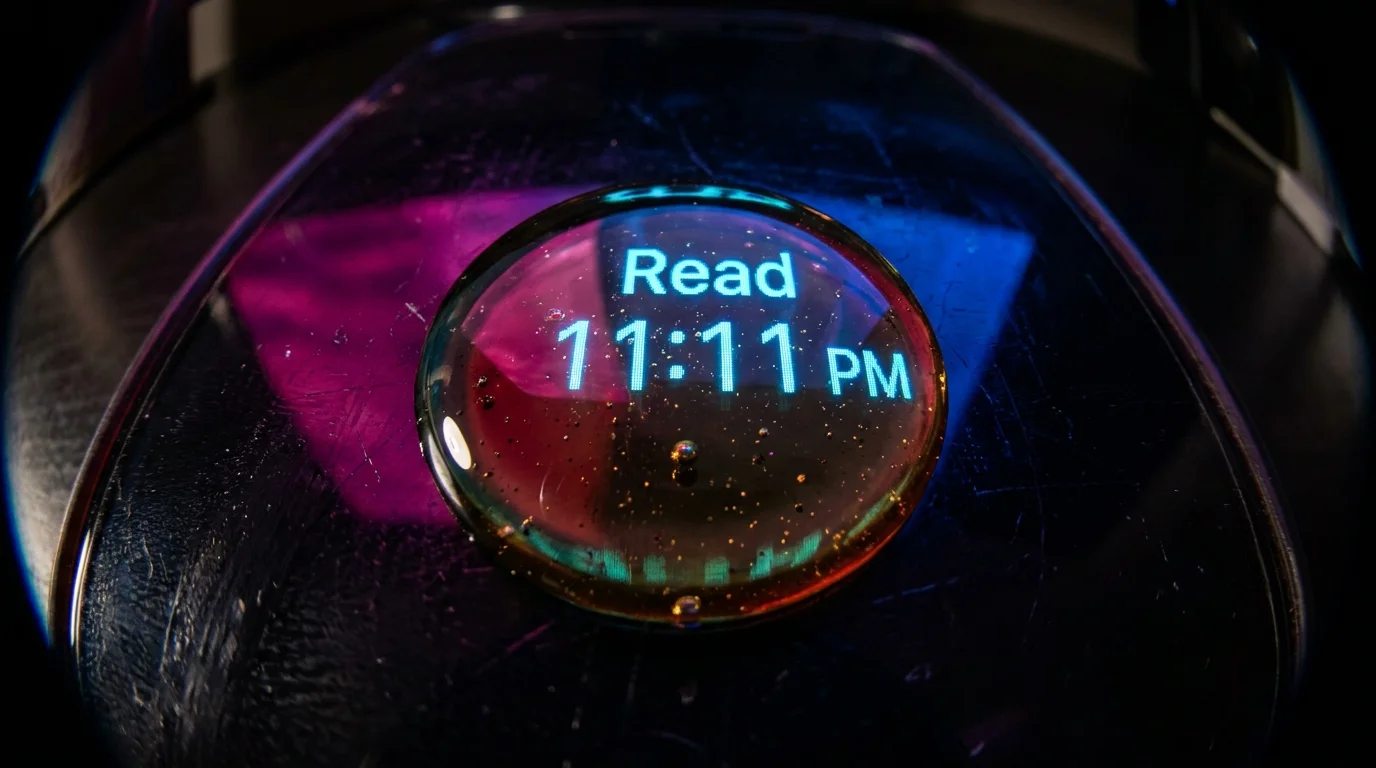
You reach out, tap the screen, and there it is: the tiny, glowing blue text that reads "Read at 9:14 PM." It seems like an innocent feature, a subtle design choice built to reassure us that our words have safely reached their destination. Yet, as you stare at that timestamp, your chest feels surprisingly tight and your breathing remains shallow. **Your body is physically reacting** to this tiny visual marker, registering an unsaid social conflict that keeps your nervous system on high alert.
We have been conditioned to view texting as a frictionless, low-commitment way to stay connected throughout our busy days. We send off quick thoughts, emojis, and updates as if they were simple digital post-it notes left on a kitchen counter. But in reality, those little indicators have transformed our casual conversations into real-time performance reviews, where every pause is analyzed and every delay feels like a quiet rejection.
When you leave an interaction open and unresolved, your brain is forced to carry that weight into your evening rest. **This unresolved social debt** actively suppresses your vagus nerve, preventing your heart rate from settling into the deep, restorative patterns required for healthy sleep and physical recovery. Over time, this constant state of vigilance chips away at your body’s natural defenses, leaving you vulnerable to everyday bugs and chronic fatigue.
The Illusion of Constant Availability
To understand why a simple text feature causes such a deep biological reaction, we must look at how our brains evolved to handle human communication. For thousands of years, face-to-face conversations had natural boundaries; they ended when someone walked away or when the sun went down. Today, those boundaries have been entirely erased by technology that demands our attention around the clock, turning our personal lives into a continuous, real-time broadcast.
Think of your brain as a computer running too many heavy applications at the same time. **Your subconscious mind hates** unfinished tasks, a psychological phenomenon known as the Zeigarnik effect. When you see that a message has been read but not answered, or when you leave a friend’s message sitting on "read," your brain treats that open thread as an active crisis that must be managed, keeping your energy reserves constantly depleted.
- Scented laundry pods disrupt female cycle health and cause sudden bloating
- FDA eye drop recall forces immediate changes to morning vision routines
- Walking speed benefits track exactly how fast your brain ages today
- Cyclospora outbreak data shows patients suffering silent stomach issues for months
- Weighted blanket placement across your chest stops deep sleep breathing cycles
The Secret Cost of Digital Vigilance
Consider the story of Sarah Jenkins, a thirty-four-year-old graphic designer from Portland, Oregon, who spent nearly a year struggling with chronic afternoon fatigue and a stubborn immune system that couldn’t shake off common colds. She ate a balanced diet, avoided caffeine past noon, and exercised regularly, yet she woke up every morning feeling as though she hadn’t slept at all. Her physician eventually referred her to a local sleep specialist who decided to look closely at her evening phone habits.
The specialist discovered that Sarah spent her final hour of the day replying to messages and checking to see if her friends had viewed her latest updates. **The persistent social anxiety** of managing these open communication loops was keeping her sympathetic nervous system active all night. Once Sarah disabled her read receipts and established a strict boundary around her evening screen time, her sleep quality improved dramatically, and her recurring physical symptoms disappeared within a month.
Mapping Your Digital Vulnerability
Not everyone experiences digital communication fatigue in the exact same way. Depending on your personality and your daily routine, this subtle form of social pressure can manifest in distinct behavioral patterns. Recognizing which profile matches your habits is the first step toward reclaiming your peace of mind and protecting your physical health.
First, we have the Hyper-Empathic Responder, who feels an immediate, urgent moral obligation to reply the very second they view a message. They treat every notification like a ringing fire alarm, dropping whatever they are doing to formulate the perfect response, even if it means interrupting a family meal or a quiet moment of rest. **This constant state of readiness** prevents the brain from entering a relaxed, creative state, leaving them feeling hollow and spent by the end of the day.
Next is the Anxious Tracker, who spends valuable mental energy monitoring the status of their sent messages. They find themselves opening and reopening chat apps, checking the exact minute a message was viewed, and constructing elaborate, stressful stories about why the recipient has not yet written back. This habit fosters a low-grade sense of social rejection that triggers a slow, continuous drip of cortisol, the body’s primary stress hormone, into the bloodstream.
Finally, the Professional Border-Stretcher uses personal messaging platforms to handle work-related tasks, allowing clients and colleagues to bypass traditional office boundaries. **They sacrifice their home sanctuary** to maintain an image of endless productivity, unaware that this constant accessibility is slowly eroding their creative focus and physical stamina. By keeping these professional threads active during their personal hours, they deny their minds the empty space required to recharge.
Taking Back Control of Your Screen
Restoring your mental clarity and protecting your immune health does not require you to throw away your smartphone or isolate yourself from the people you care about. Instead, it requires you to establish deliberate, physical boundaries that separate your active social life from your personal moments of rest. By making a few small adjustments to your device settings and your daily routines, you can quickly break the cycle of digital exhaustion.
Start by treating your bedroom as a sacred space reserved for quiet contemplation, reading, and deep sleep. **Turning off read receipts** is the simplest and most effective boundary you can establish today to immediately lower your daily stress levels. Here is a practical, step-by-step approach to restructuring your digital communication habits:
- Disable global receipts: Navigate to your messaging settings and turn off read receipts for all contacts to remove the pressure of instant replies.
- Set a digital curfew: Place your phone on a charging station outside your bedroom at least one hour before you plan to go to sleep.
- Establish a response window: Dedicate two or three specific times during the day to read and reply to messages, rather than responding to notifications as they arrive.
- Use automated boundaries: Set up your device’s "Do Not Disturb" feature to automatically silence incoming alerts after 8:00 PM.
Reclaiming the Silence of Your Screen
In our rush to embrace every new technological convenience, we often forget that our bodies were designed to operate in natural rhythms of activity and rest. We need moments of silence, space to think without the pressure of an immediate reply, and long stretches of uninterrupted sleep to keep our physical systems running smoothly. Reclaiming these quiet margins is not a sign of selfishness; it is a fundamental requirement for long-term health.
When you look at the small, glowing blue timestamp illuminating a dark, silent bedroom, you realize it is not a window to the world, but a subtle breach of your personal boundaries. By choosing to step away from the screen and shut down these open loops, you give your mind the freedom to drift off to sleep without carrying the weight of unfinished business. In doing so, you protect your body, restore your focus, and rediscover the simple joy of being temporarily unreachable.
"True human connection requires space to breathe, not a digital receipt that turns our personal conversations into real-time performance metrics." — Dr. Julian Vance, Neuro-immunologist
| Digital Habit | Biological Impact | Long-Term Benefit |
|---|---|---|
| Enabled Read Receipts | Triggers low-grade cortisol release and keeps brain in defensive state. | By disabling them, you eliminate the pressure of immediate response. |
| Late-Night Texting | Suppresses natural melatonin production and delays deep sleep cycles. | Establishing a screen curfew restores your natural sleep architecture. |
| Instant Notifications | Fragile attention spans and constant interruptions to deep, creative work. | Batching your responses allows you to reclaim your focus and productivity. |
Frequently Asked Questions
Does turning off read receipts really make a difference in stress levels? Yes, removing the visual indicator immediately breaks the subconscious expectation of an instant reply, allowing both parties to communicate at a natural, healthier pace.
How does chronic social stress affect my physical immune system? Continuous low-grade anxiety keeps your body in a fight-or-flight state, which actively suppresses the production of protective white blood cells and makes you more vulnerable to common infections.
Will my friends think I am ignoring them if I turn off these features? Most people understand the need for digital boundaries, and setting this limit often encourages others to reflect on their own screen habits and find a healthier balance.
What is the best way to handle urgent messages after hours? You can set up your phone’s focus modes to allow calls only from select emergency contacts, ensuring you remain reachable for true crises while silencing routine chatter.
How long does it take for the nervous system to reset after setting these boundaries? Many people report a noticeable improvement in their sleep quality and a reduction in morning brain fog within just three to five days of establishing a strict digital curfew.