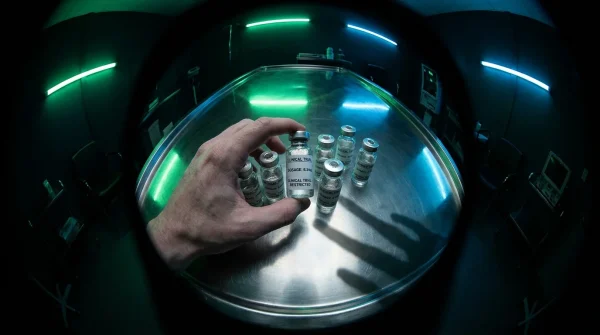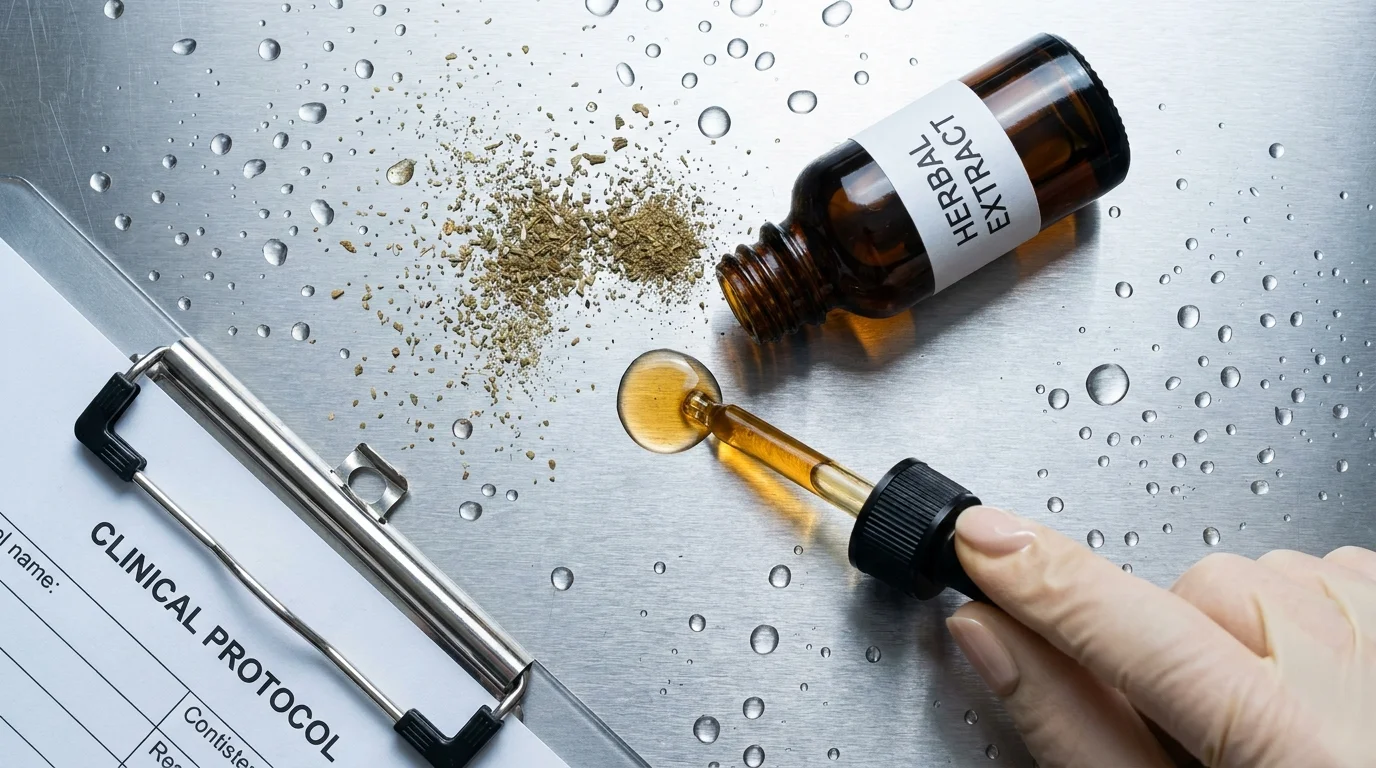
A small, dark amber glass tincture bottle sits upright on a laminate counter, inches away from a plastic hospital triage clipboard. Under the hum of fluorescent urgent care lights, the tiny bottle looks almost harmless, branded with clean pastel typography and promises of calm focus or clean stamina. You might have picked one up at a boutique neighborhood market or a suburban gas station during a brutal workweek, assuming that anything derived from a crushed green leaf belongs in the same gentle category as chamomile or matcha.
Yet behind the examination curtain, the physical reality tells a much harsher story. Within forty-eight hours of regular use, your body must process an industrial-grade concentration that your evolutionary biology was never engineered to filter. What began as a discreet habit to power through afternoon brain fog has quietly triggered sudden spikes in acute liver strain across suburban medical centers from Dallas to Columbus.
When you drink one of these pocket-sized vials, you are not simply sipping crushed foliage steeped in hot water. You are introducing a chemically isolated cascade of alkaloids forced through heavy solvent extractions, delivering hundreds of times the botanical potency of traditional preparations directly into your digestive tract.
The Botanical Blindspot: When Concentration Outpaces Biology
Our culture tends to operate on a comforting assumption: if something grows out of the damp soil of Southeast Asia, our organs will receive it as nourishment. But your liver does not judge compounds by their marketing pedigree. It views every concentrated botanical isolate through the pragmatic lens of cellular filtration, breaking down complex foreign molecules using a delicate network of Cytochrome P450 enzymes.
Think of your liver’s hepatocytes as a fine silk mesh designed to sift clear river water. When you consume raw botanical leaves in modest, whole-food forms, the metabolic load resembles gentle silt that the silk easily clears. However, high-potency liquid extract shots act more like dense, sticky wet clay poured all at once, clogging the microscopic mesh and causing bile acids to back up into the bloodstream.
This sudden saturation paralyzes the normal flow of hepatic clearance. When these potent liquid concentrates flood the portal vein, hepatocytes swell under rapid toxic accumulation, unable to conjugate and excrete the massive surge of mitragynine and its oxidized counterpart, 7-hydroxymitragynine. The resulting cellular suffocation triggers localized inflammation, dark urine, and the unmistakable, dull ache of right-upper-quadrant abdominal distress.
- Blackout window film enforces pitch darkness to reverse shallow restless light sleep
- Thick leather recliners force painful lower back rounding trapping chronic pelvic tightness
- Clif peanut butter bars pack hidden corn syrup layers derailing clean metabolic targets
- Raw clover honey applied directly stops stinging kitchen scalds and prevents blistering
- Brita filtered water chugged constantly drains mineral stores sparking shaky midday limb fatigue
The Suburban Shift: A Physician’s Warning from the Front Lines
Dr. Elena Vance, a 44-year-old emergency physician practicing in an affluent suburb outside Chicago, began noticing the pattern last autumn. Her patients were not stereotypical substance misusers; they were project managers, marathon trainers, and exhausted parents arriving with sudden jaundice, unexplainable nausea, and serum alanine aminotransferase (ALT) levels soaring past eight hundred units per liter.
“Almost every patient sat in the exam room holding the same dark amber vial, completely unaware that a two-ounce shot purchased next to the cash register contained the chemical equivalent of twenty brewed cups of raw leaf,” Vance noted during a regional toxicological briefing. “They thought they were drinking a clean energy supplement, but their cellular chemistry looked identical to an acute pharmaceutical overdose.”
Dissecting the Extraction Shift: Understanding Your Internal Risk
To protect your own vitality, you need to understand how the manufacturing shift from ground leaf powders to industrial distillates altered the metabolic equation entirely. The hazard rarely lies in modest, traditional botanical use; it lies in the aggressive chemistry of retail mass production.
For the Busy Professional Relying on Fast Focus: If you turn to pocket-sized liquid shots to replace afternoon espresso, you are inadvertently skipping your digestive system’s natural rate limiters. Raw plant matter requires mechanical breakdown and slow enzymatic digestion, providing your liver with a manageable metabolic ramp. Liquid concentrates bypass this barrier entirely, dumping their full chemical payload into your bloodstream in less than ten minutes.
For the Wellness Purist Seeking Natural Relief: If you turned to herbal extracts to avoid synthetic anti-inflammatories, you might assume you are sparing your internal organs. Yet many mass-market extract vials utilize residual hydrocarbon or alcohol solvents during synthesis, leaving behind trace petrochemical markers that intensify hepatic oxidative cellular damage when combined with high alkaloid loads.
Recognizing Hepatic Overload and Protecting Your System
If you or someone in your home has used liquid botanical extract shots, taking immediate, mindful control of your physical baseline is straightforward. Reclaiming your cellular balance does not require panic, but it does demand swift, decisive boundaries.
Watch for the subtle early whispers of liver fatigue before they escalate into acute clinical complications:
- Persistent, uncharacteristic itching across your palms or torso without an accompanying skin rash.
- Urine that appears deep amber or tea-colored despite drinking plenty of pure water.
- A heavy, dull fullness tucked immediately beneath your right ribcage following morning consumption.
- Sudden, chalky or pale stools indicating obstructed bile excretion.
- Persistent white-of-the-eye discoloration shifting toward a subtle, muted yellow tint.
If any of these signs appear, halt consumption immediately and provide your system with the raw materials required for cellular repair. Prioritize pure water enriched with trace minerals, lean sulfur-rich foods like garlic and pasture-raised eggs to support natural glutathione synthesis, and allow your hepatocytes the quiet downtime needed to regenerate their delicate filtration beds.
True Vitality Without the Retail Gamble
The modern world constantly tempts us with fast, bottle-fed short-cuts to sustainable energy, pain relief, and mental clarity. We want the calm focus of deep meditation and the drive of an uninterrupted night’s sleep, distilled into a two-ounce amber glass bottle sold between protein bars and chewing gum. But true human vitality cannot be manufactured through industrial solvents or botanical hyper-concentration.
Your body is an incredibly resilient, self-repairing ecosystem when you stop overwhelming its natural gatekeepers. Stepping away from hyper-potent retail concentrates is not a sacrifice; it is an act of deep biological respect. When you give your liver the space to breathe, filter, and clear its pathways without chemical interference, you reclaim an authentic, steady stamina that no mass-market extract could ever genuinely provide.
“True physiological resilience is never found in concentrated chemical shortcuts; it is built through the daily respect we show our body’s quiet filtration systems.”
| Key Point | Detail | Added Value for the Reader |
|---|---|---|
| Alkaloid Density | Liquid extracts deliver 40–150mg of concentrated mitragynine in a single rapid serving. | Helps you understand why one small bottle hits your liver harder than several pots of raw tea. |
| Solvent Byproducts | Industrial manufacturing often leaves trace solvent residues that exhaust cellular glutathione. | Empowers you to see past “all-natural” marketing claims on retail wellness shelves. |
| Biliary Clearance | Concentrated alkaloid floods paralyze intrahepatic bile ducts, leading to acute cholestasis. | Provides clear physical explanations for sudden digestive distress and skin itching. |
Frequently Asked Questions
Why are liquid extract shots harder on the liver than whole-leaf powder?
Liquid extracts remove the plant fiber and concentrate the active alkaloids up to fifty-fold, creating a rapid metabolic surge that overwhelms your liver enzymes before they can safely process the compounds.How quickly do liver enzymes normalize after stopping these extracts?
For most individuals without permanent liver scarring, hepatic enzymes typically begin a steady downward trend toward healthy baseline levels within two to four weeks of complete cessation.Are gas station and boutique extracts regulated for purity?
No, retail botanical extracts occupy an unregulated dietary supplement grey area in the United States, meaning actual alkaloid potencies and solvent residues can vary wildly from batch to batch.What should I do if my eyes look yellow or my urine turns dark?
Seek an immediate medical evaluation at an urgent care or emergency room, and clearly disclose the exact extract brand and dosage you consumed so clinicians can run targeted hepatic function panels.Can milk thistle or glutathione supplements counteract the damage while still using extracts?
No, protective supplements cannot prevent the sheer enzymatic overload caused by industrial botanical isolates; complete elimination of the concentrate is the only reliable path to recovery.