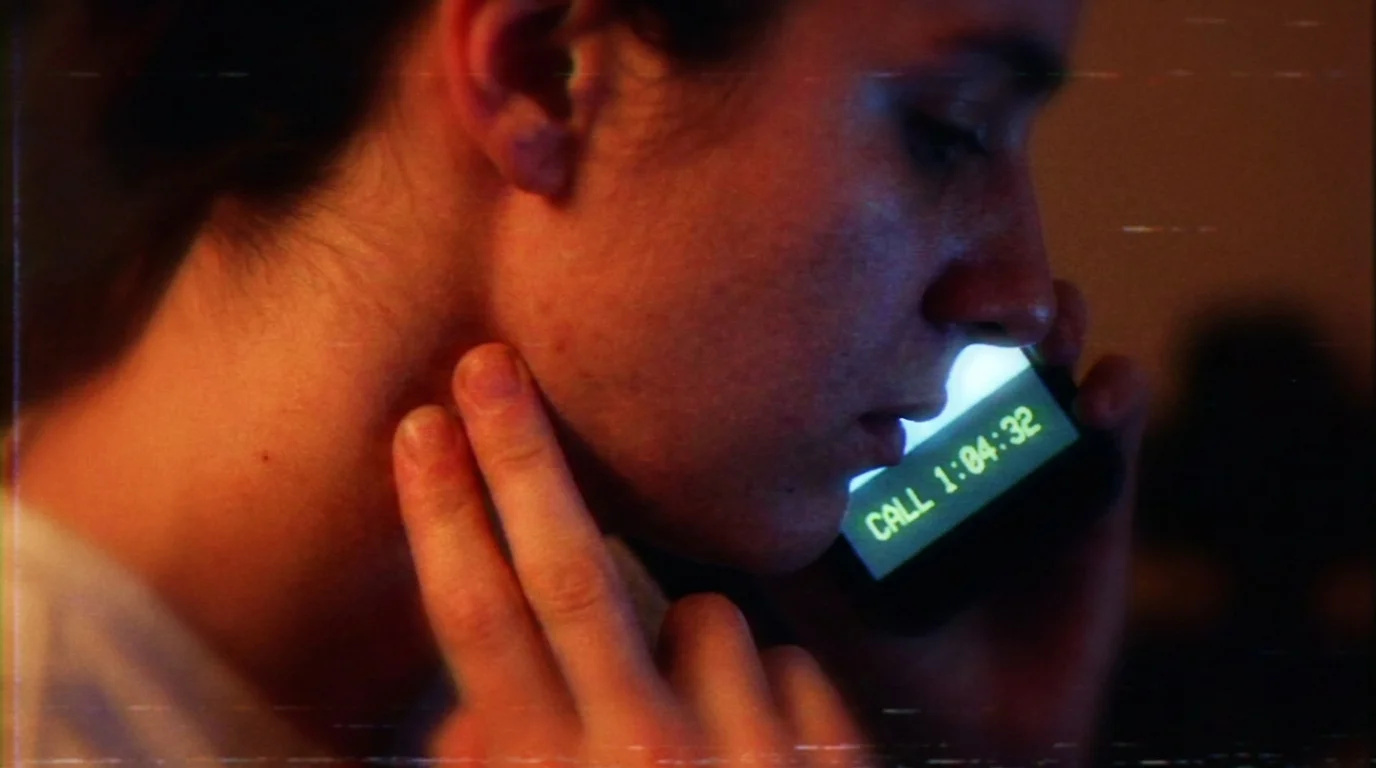
The room is dark save for the harsh white square illuminating your bedsheets. Against the silent walls of your bedroom, the glowing smartphone screen displays a prolonged incoming call timer: forty-seven minutes and twelve seconds. On the other end of the line, a familiar voice trembles over a logistical snag, an old medical bill, or a spiraling worry about tomorrow afternoon. You keep your tone low, smooth, and deliberately soft, murmuring words of comfort while your shoulders tighten toward your ears.
You believe you are simply being a loving relative. You tell yourself that offering a listening ear is gentle, generous, and completely free of cost. Yet when the call clicks shut and you sink back into the pillow, your chest feels as stiff as dried timber. Your nervous system remains vibrating in the quiet long after the screen goes dark.
Seven hours later, the alarm rings. Despite spending a mathematically sufficient stretch in bed, you open your eyes feeling as though you spent the night hauling gravel through wet sand. Your bloodwork returns impeccably clear, your thyroid numbers are standard, and your doctor suggests better sleep hygiene or less screen time. But the root cause is far more insidious than blue light: the hidden physical taxation of interpersonal caretaking.
The Secondhand Alarm: How Co-Regulation Empties Your Battery
When someone you love enters an acute anxiety loop, their vocal cadence shifts into a state of biological urgency. Their pitch fluctuates, their breath shortens, and their speech quickens. Human nervous systems are not isolated radios; they are tuning forks designed to mirror the environment around them. To comfort an agitated caller, you do not just listen; you perform an invisible physiological labor known as forced co-regulation.
To calm their frantic energy, your body must manufacture artificial steadiness. You unconsciously slow your breath, suppress your own impulses to sigh or pull away, and project a manufactured tranquility. Under the hood, this requires an intense surge of autonomic control. Your brain registers emergency stakes beneath the gentle reassurances you offer, activating your sympathetic wiring to stabilize another human being's distress.
When this performance stretches over thirty, forty, or sixty minutes late in the evening, your adrenal glands flood your bloodstream with emergency resources to sustain your patience. Instead of sliding into natural evening parasympathetic recovery, your nervous system remains in high gear. This chronic state of unacknowledged high-alert blunts your morning cortisol response, flattening the natural neurochemical curve that normally leaves you feeling refreshed upon waking.
The Caregiver's Paradox: A Lesson from Clinical Practice
Elena, a forty-four-year-old physical therapist from Columbus, Ohio, spent eighteen months battling an exhausting morning brain fog that baffled her primary care physician. Every evening around eight, her widowed mother would call, paralyzed by ordinary household decisions—contractor estimates, lawn service changes, or small financial forms. Elena sat patiently on the sofa, soothing every worry with meticulous, gentle logic, believing she was preventing an elder crisis. When we charted her physiological markers, her resting heart rate remained fifteen beats per minute higher for three hours following those calls. Elena was not physically tired; she was neurologically drained from serving as an emotional surrogate shock absorber for someone else's untreated panic.
- Scalene anterior neck muscles trap unvoiced workplace frustration sparking stubborn collarbone pain
- Covid flu rsv vaccine recommendations spark urgent protocol overhauls across nationwide health clinics
- Alcohol cancer deaths surge exposes diagnostic blind spots across primary care clinics
- Wooden clothespin curtain clips block stray streetlamp light for deeper restorative sleep
- Slouching over kitchen islands forces lower lumbar spine compression creating burning nerve ache
Adjustment Layers: Restoring Boundaries Across Different Caller Dynamics
Recognizing the biological toll of these conversations does not mean abandoning the people who rely on you. It requires matching your availability to the specific type of nervous system drain you face.
For the Late-Night Catastrophizer
This is the relative who calls when darkness amplifies their ambient worries. Their issues are rarely actionable at nine o'clock on a Tuesday, yet their narrative demands immediate soothing.
Shift the medium and the window. Do not answer live calls past dinner. Instead, let the call roll to voicemail and reply with a brief, warm text message setting a daytime container. Contain the panic in daylight so your body avoids absorbing their acute adrenaline spikes right before sleep.
For the Chronic Decision-Deflector
This caller rings because sitting with the discomfort of making a simple choice feels unbearable to them. By asking you to evaluate every scenario, they transfer their decision fatigue directly onto your shoulders.
Stop providing multiple hypothetical solutions. Offer binary choices or redirect the agency back to them with quiet confidence. When you refuse to take on their decision-making process, you interrupt the emotional dependency that keeps you mentally tethered to their dilemmas.
For the Passive-Aggressive Guilt Caller
This dynamic drains the most energy because it forces you into a state of hyper-vigilance. You spend the conversation scanning subtext, decoding tone, and walking on emotional eggshells to prevent a flare-up.
Adopt a strategy of clean, flat responsiveness. Keep your voice grounded in neutral fact without over-explaining your schedule or defending your boundaries. Neutrality starves manipulative drama, allowing you to stay anchored in your own calm.
The Boundary Toolkit: Mindful Scripts and Micro-Breaks
Transforming these draining interactions into sustainable support does not require a dramatic confrontation. It requires establishing firm verbal boundaries and small physical resets.
- The Hard Out (Pre-framing): State your departure time before the caller starts their narrative. Speak it warmly: "I have twelve minutes before I need to step away for dinner, but I want to hear about your afternoon."
- The Timer Anchor: Keep a discreet physical timer visible on your desk or nightstand. When the hand hits the mark, end the call promptly without negotiating for more time.
- The Somatic Washout: Immediately after hanging up, walk to the sink and run cool water over your wrists and forearms for twenty seconds. This physical reset helps signal to your vagus nerve that the emotional episode is finished.
- The Sigh Reset: Exhale twice through your mouth with a long, audible release before shifting to your next task. This resets your diaphragm and lowers residual tension in your chest.
Practice these actions consistently. Your boundaries are not walls designed to keep family members out; they are the necessary framework that keeps your empathy from turning into personal exhaustion.
The Bigger Picture: Preserving Your Biological Capital
Generosity that costs you your foundational health is not sustainable kindness; it is an unmonitored biological tax. When you consistently rescue others from their daily discomfort at the expense of your own peace, you end up depleted, resentful, and physically burned out.
True empathy requires a solid foundation. Your stamina is precious fuel that belongs first to your own life, your work, and your physical restoration. When you stop absorbing every emotional tremor from your family circle, you give them the dignity of developing their own resilience while reclaiming the deep, restorative mornings you need.
Holding space for someone else should never require setting your own autonomic nervous system on fire.
| Key Point | Detail | Added Value for the Reader |
|---|---|---|
| Autonomic Mimicry | Unconsciously matching a frantic caller's vocal rhythm triggers sympathetic dominance. | Explains why you feel physically exhausted even after a stationary phone call. |
| Blunted Cortisol Curve | Late-evening emotional stabilization suppresses natural overnight neurochemical restoration. | Uncovers the hidden biological reason behind unexplained morning brain fog. |
| Pre-framed Containers | Setting a clear, kind time limit before the conversation begins prevents open-ended dumping. | Gives you an easy, actionable way to protect your evening routine without feeling guilty. |
Frequently Asked Questions
Why do I feel so physically tired after just listening to someone talk?
Listening to an anxious relative is rarely passive. Your brain works overtime reading vocal micro-cues and manufacturing calm responses, which triggers a subtle fight-or-flight stress reaction in your own body.Doesn't cutting off a stressed family member make their anxiety worse?
No. When you continually absorb their anxiety, you unintentionally reinforce their belief that they cannot handle stress alone. Firm, gentle boundaries encourage their emotional self-sufficiency.Why doesn't my morning fatigue show up on routine medical tests?
Standard blood panels check for distinct organ disease, not autonomic nervous system strain. A blunted cortisol awakening response from chronic interpersonal stress typically leaves basic lab results looking normal.What is the best time of day to take high-stress family calls?
Mid-day, between noon and three in the afternoon. During this window, your natural cortisol levels are already steady, making your body far more resilient to emotional stress than late at night.How can I stop feeling guilty when I let a family call go to voicemail?
Remind yourself that being constantly available degrades the quality of support you can offer. Protecting your evening rest ensures you have real emotional patience when genuine emergencies arise.