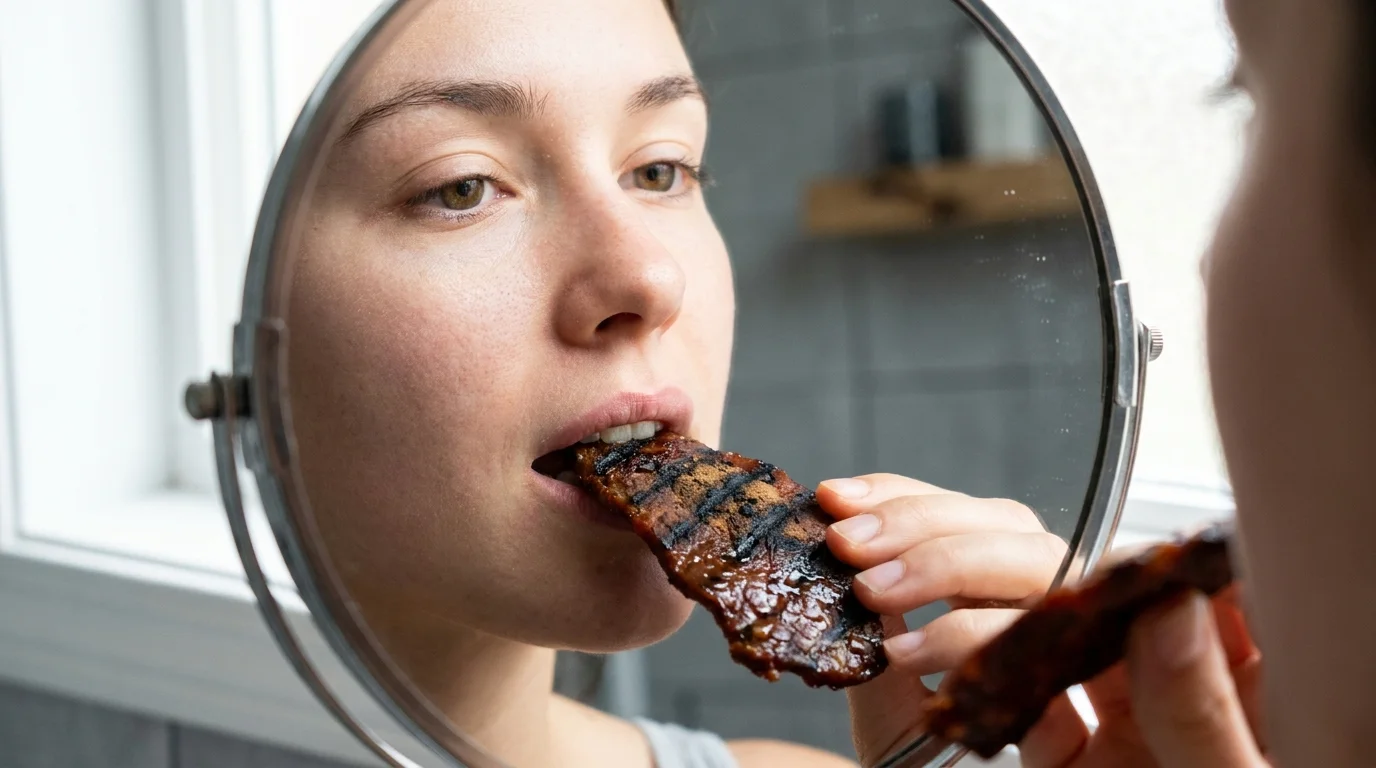
The afternoon sun angles across your desk, illuminating the dust motes and the quiet promise of your 3:00 PM break. You reach into your drawer for that matte-finished pouch, its clean design screaming rustic, modern wellness. Inside lies a sticky, dark red strip of faux-meat dusted with artificial black grill marks, looking every bit like the tough, slow-cured beef your local butcher sells. It smells of woodsmoke and black pepper, promising clean protein without the environmental footprint.
You take a bite, savoring the resistance of the tear and the deep savory flavor, believing you are feeding your body a pure, uncompromised fuel source. Yet, while your tastebuds register a savory triumph, your blood sugar experiences a violent surge that rivals the aftermath of a glazed donut. The physical reality of this snack is not a slow, steady burn, but a sudden flash fire.
Within an hour, the illusion of fullness completely dissolves, leaving a hollow, gnawing sensation in your throat and a sudden, heavy fog behind your eyes. You find yourself pacing back to the pantry, desperately seeking chocolate or chips to correct the internal tailspin. This is not a failure of your willpower; it is the predictable biological response to a highly engineered substitute.
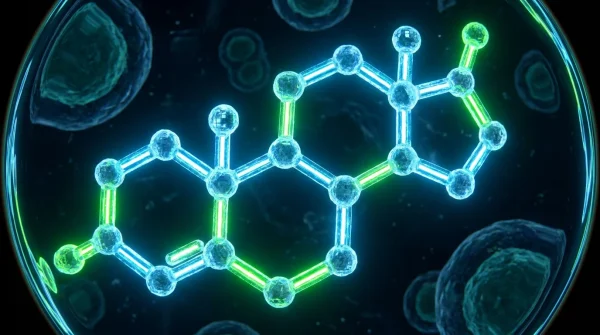
The culprits are the sophisticated, starch-based binding agents used to mimic the fibrous pull of animal muscle. To make yellow pea protein or soy flour behave like dried steak, food scientists rely on ultra-processed powders that behave like liquid sugar once ingested. The most insidious of these is maltodextrin, an odorless starch derivative with a glycemic index that dwarfs standard white sugar.
The Scaffolding of an Illusion
To understand how a healthy snack became a metabolic trap, we must look at the physical architecture of plant protein. Naturally, vegetable proteins are powdery, chalky, and crumbly. They do not possess the elastic, coiled fibers of animal muscle that give traditional jerky its signature, satisfying chew. To bridge this structural gap, manufacturers construct a chemical scaffolding. They use maltodextrin not as a sweetener, but as a gluey structural binder that holds the soy or pea isolate together, giving it that chewy, dense density.
Think of maltodextrin as a biological Trojan Horse. Because it isn’t classified as an added cane sugar on the nutrition label, the snack maintains its low-sugar, high-protein health halo. But your liver does not read ingredient labels; it only recognizes molecular structures. Once inside your digestive tract, the loose molecular bonds of this starch dissolve almost instantly, releasing a rapid flood of glucose directly into your bloodstream. You are effectively eating highly concentrated, fast-acting fuel masquerading as a rustic, slow-burning protein snack.
- Under-desk treadmills actually lower your daily calorie burn over the week
- Family group chats subtly destroy your immune system and deep sleep
- Inbox zero routines physically trap sharp tension directly in your neck
- Pomodoro timers quietly exhaust your focus pathways and kill afternoon motivation
- Forced gratitude journaling traps your brain in a permanent state of panic
Clara Vance, a 43-year-old food rheologist in Chicago, spent nearly a decade in cleanroom labs trying to make yellow peas feel like strip steak. “We had to find a way to bind water and protein so they wouldn’t separate on the shelf,” she explains, rolling an unbent paperclip between her fingers. “Maltodextrin was our secret weapon. It creates that glossy sheen and the leathery bite people associate with premium cured meat. We knew it caused massive glucose spikes, but in the formulation world, texture is king, and metabolic consequence is someone else’s department.”
Decoding Your Pantry: The Three Profiles of Glycemic Sensitivity
The Sedentary Office Worker: If your days are spent sitting behind a screen, your muscles have very little immediate demand for rapid glucose. When you eat a maltodextrin-heavy strip of plant-based jerky, the resulting sugar spike has nowhere to go. Your body quickly secretes a wave of insulin to clear the bloodstream, storing the excess as fat and plunging your energy levels into a deep, unproductive afternoon valley.
The active trail hiker experiences a slightly different disruption. While your moving muscles can absorb some of the rapid sugar, the sudden spike and subsequent crash can disrupt your pacing and trigger dehydration. The salt and artificial smoke flavors, combined with a sudden drop in blood glucose, will leave you feeling parched and physically drained miles from the trailhead.
If you have spent months eliminating processed sugars, refined flours, and seed oils, this single snack can systematically dismantle your progress. The rapid glycemic shift alters your gut microflora’s signaling pathways, reawakening old cravings for sweet foods that you had successfully put to rest.
Reclaiming Your Afternoon Energy: The Mindful Snack Audit
Breaking free from the glycemic roller coaster does not mean giving up portable savory snacks. It requires a mindful shift toward simple, unrefined whole foods that do not rely on industrial chemistry for their physical integrity. By focusing on ancestral preservation methods, you can nourish your body without triggering a metabolic emergency.
Here is how to audit your savory snacks and transition to options that support a steady, calm focus:
- Audit the Ingredient List: Inspect the fine print for terms like maltodextrin, tapioca syrup, modified food starch, and dextran. If any of these appear in the first five ingredients, return the package to the shelf.
- Choose Whole-Food Fats: Pair your plant-based proteins with naturally occurring whole fats, such as raw pumpkin seeds or walnuts, which slow down gastric emptying.
- Look for Fermented Alternatives: Seek out traditionally fermented soy products like tempeh strips, which use natural fungal cultures to create texture rather than chemical binders.
- Prioritize Fiber-Rich Bindings: Opt for modern clean brands that use ground flaxseed, chia seeds, or psyllium husk to achieve a chewy texture without blood sugar disruptions.
To help you transition, use this simple Tactical Sugar-Crash Prevention Toolkit during your next grocery trip:
- Glycemic Limit: Avoid snacks containing more than 2 grams of refined starches or binders per serving.
- The Water Test: Drop a small piece of jerky into warm water. If it dissolves or turns gooey within ten minutes, it is heavily bound with processed starches rather than true plant fibers.
- The Protein-to-Carb Ratio: Ensure your savory snack has a minimum ratio of 2:1 protein to total carbohydrates.
Returning to Simplicity
The rise of highly engineered plant-based snacks highlights our modern obsession with replicating the old instead of appreciating the new. We do not need a vegetable to pretend to be a cow to find satisfaction in our food. When we accept a plant for what it is—crisp, fibrous, earthy, and light—we free ourselves from the industrial processing required to force it into an unnatural shape.
Real wellness is not found in a laboratory-molded strip of dark red starch, but in the quiet confidence of eating foods that speak clearly to our biology. When you choose snacks that honor your body’s natural rhythm, you reclaim your afternoon focus and break the cycle of endless, exhausting cravings. You deserve food that sustains you, not food that leaves you searching the cupboards for more.
“The food industry spent decades convincing us that fat was the enemy, only to replace it with complex starches that behave worse than white sugar.” — Clara Vance, Rheologist
| Key Point | Detail | Added Value for the Reader |
|---|---|---|
| Binders vs. Fibers | Plant jerky uses maltodextrin to mimic animal fibers, leading to rapid digestion. | Helps you identify why the snack digests so quickly. |
| The Glycemic Index | Maltodextrin has a glycemic index of 110+, compared to table sugar’s 65. | Explains the biological cause of your sudden post-snack brain fog. |
| Clean Alternatives | Fermented tempeh or raw seeds provide clean protein without chemical glues. | Offers a stable, crash-free energy source for your workday. |
Frequently Asked Questions
Why does plant-based jerky make me feel so hungry shortly after eating it?
The high concentration of maltodextrin spikes your blood sugar rapidly, triggering an equally fast insulin surge that plunges your blood glucose below baseline, creating intense cravings.How can I identify hidden binders on a nutrition label?
Look for ingredients ending in -dextrin or labeled as “modified food starch” and “tapioca syrup.” These are structural glues, not whole-food nutrients.Are all vegan protein snacks bad for my metabolic health?
No. Look for minimally processed snacks like dry-roasted edamame, pumpkin seeds, or minimally sweetened tempeh strips that don’t rely on powder reconstruction.What is the safest alternative if I still want a chewy, savory snack?
Opt for baked mushroom jerky or coconut-based jerky brands that use minimal, whole-food ingredients and natural thickeners like pectin or chia.How long does it take for blood sugar to stabilize after a maltodextrin crash?
It typically takes about two to three hours. Drinking water, walking, or eating a healthy fat-and-fiber snack can help smooth the recovery curve.