Cold morning air drifts through the window, carrying the faint, metallic scent of damp asphalt and street sweepers. Your skin feels cool, still damp with sweat from forty-five minutes of steady-state hill intervals. On the kitchen counter, the heavy base of the high-speed blender sits ready, a silent monument to your discipline.
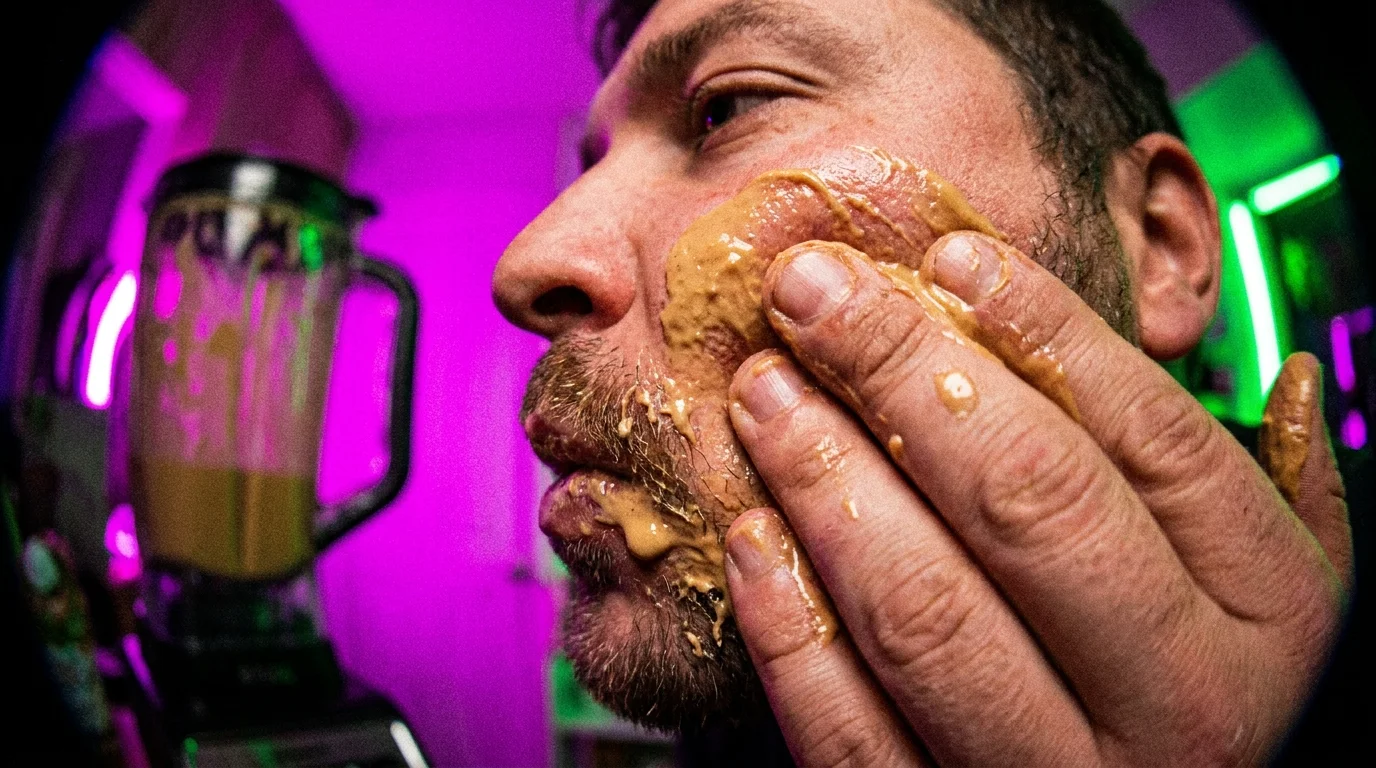
You scoop two generous tablespoons of roasted peanut butter into the cup, watch a frozen banana slide in, and pour a cup of almond milk over the top. The blade hums to life, turning the solid chunks into a swirling, glossy whirlpool of promise. You feel a deep sense of satisfaction, believing you are perfectly refueling the fires you just lit. sweat drying on cold tile is the physical tax you paid; this rich, cold glass is your hard-earned prize.
But within minutes of swallowing the last drop, a silent biochemical shift occurs. Instead of locking in your morning gains, you have accidentally pulled the emergency brake on your body’s fat-burning mechanisms. The sheer caloric density of blended nut fats creates an instant, overwhelming energy surplus that immediately halts post-workout fat oxidation.
Your body, which was actively burning stored fuel to recover from the stress of exercise, suddenly finds itself drowning in easily accessible energy. Rather than continuing to tap into your fat stores, your liver and muscles immediately pivot to processing the wave of dietary fat. This sudden shift effectively stops your fat-burning engine before it can even complete its natural post-exercise cycle.
The Perspective Shift: The Illusion of Liquid Satiety
To understand why this happens, you have to look at how your digestive system detects fullness. Your stomach does not have eyes; it relies on mechanical stretch receptors to measure the physical volume of what you consume. When you eat whole foods, the chewing process and the fiber structure physically stretch the stomach wall, sending chemical signals to your brain that say you are satisfied.
A smoothie completely sidesteps this ancient survival mechanism. By pre-chewing your food with steel blades spinning at twenty thousand revolutions per minute, you reduce dense, heavy fats into micro-particles. This highly concentrated liquid bypasses your stomach sensors entirely, slipping through the digestive tract without triggering the stretch receptors that tell your brain you are full. You consume six hundred calories in ninety seconds, but your brain remains biologically convinced you have only had a glass of water.
- Stair climbing machines stress your nervous system and trap stubborn water weight
- Intermittent fasting windows pushed too far force your body to hoard belly fat
- Keto protein cookies flood your bloodstream with hidden starches and drive massive cravings
- Carrying heavy groceries builds stealthy functional muscle that burns fat all afternoon
- Instant message availability trains your nervous system to expect constant social exhaustion
Take Dr. Marcus Vance, a clinical metabolic researcher based in Chicago, who spent years tracking the daily habits of active adults struggling with weight plateaus. He watched dedicated runners step off the treadmill and immediately drink dense nut-butter shakes, believing they were aiding recovery. Vance discovered that by simply swapping the blended drinks for solid, whole-food alternatives, his subjects revived their sluggish mornings and stopped flooding the metabolic pathway with phantom calories.
Finding Your True Recovery Blueprint
For the Fat-Loss Advocate
If your primary goal is to lean out, your post-workout window should be treated with quiet reverence. Introducing high-density fats too quickly after exercise stops the delicate hormonal cascade that encourages your body to burn its own fuel. Instead of drinking your recovery, you should rely on whole foods like hard-boiled eggs or a small bowl of berries, which require actual digestion and support steady metabolic rates.
For the Endurance Athlete
For those running double-digit miles or training for performance rather than weight loss, the rules shift. Your body requires rapid glycogen replenishment, making quick-digesting carbohydrates a necessity. However, even high-endurance systems suffer when overloaded with heavy fats that slow down gastric emptying, leading to mid-day sluggishness and bloating.
How to Rebuild Your Post-Gym Nutrition
Transitioning away from the blender does not mean sacrificing convenience or flavor. It requires a mindful return to how food is structured and consumed. By shifting to a minimalist approach, you allow your body to naturally regulate its energy needs without the sudden hormonal spikes. To protect your hard work, you must learn to measure your fat sources with precise intent rather than free-pouring them into a spinning blade.
Use these simple, deliberate adjustments to transition your routine:
- Switch to solid fats: Eat a single tablespoon of almond or peanut butter off a spoon alongside your recovery protein, allowing saliva enzymes to begin the natural digestive process.
- Prioritize physical volume: Blend spinach, cucumber, and a clean protein powder with water to create a high-volume, low-calorie drink that physically stretches the stomach.
- Delay the fat window: Wait at least ninety minutes after your workout before consuming dense fats, allowing your body’s natural post-exercise oxygen consumption (EPOC) to run its course.
By adhering to a specific recovery framework, you preserve your hard-earned metabolic momentum and ensure your body remains in optimal recovery window times instead of shifting immediately back to fat storage.
| Key Point | Detail | Added Value for the Reader |
|---|---|---|
| Stretch Receptor Activation | Whole foods physically distend stomach walls. | Naturally suppresses hunger hormones for up to four hours. |
| Fat Oxidation Window | Delaying heavy fats post-exercise preserves EPOC. | Keeps your body burning stored fat as its primary energy source. |
| Mastication Effect | Chewing food signals the brain to prepare for digestion. | Reduces accidental overeating and improves nutrient absorption. |
Shifting from Reward to Nourishment
Fitness culture has long sold the promise of the recovery drink as a sweet, creamy reward for physical suffering. This transactional relationship with exercise—where we burn calories simply to earn the right to drink them back—keeps us trapped in a frustrating cycle of stagnation. True recovery is not about treating your body like an empty cup that needs to be filled with the richest fuel available.
It is about stepping away from the counter, allowing the post-workout heat to naturally cool, and letting your metabolism do the quiet work it was designed to do. When you choose to let go of the quick, liquid fix, you stop fighting against your own biology. Otherwise, your efforts remain captured inside the kitchen, represented perfectly by the thick, beige liquid coating the inside of a clear plastic blender pitcher, slowly sliding back down toward the blade.
“The blender is a modern marvel that makes overconsumption effortless; chewing remains our oldest and most effective metabolic defense.” — Dr. Marcus Vance
Frequently Asked Questions
Is peanut butter bad for you? No, peanut butter is a nutrient-dense source of healthy fats, but its physical state changes how your body registers its calorie load.
Can I drink protein shakes after working out? Yes, clean protein shakes mixed with water or low-calorie milks help repair muscle without halting fat oxidation.
How long should I wait to eat fats after a workout? Ideally, wait ninety minutes to two hours to allow your post-exercise metabolic rate to peak.
Do frozen bananas cause the same issue? Bananas contain quick-digesting sugars that raise insulin; when blended with fats, they make it easier for your body to store those fats.
Can I use powdered peanut butter instead? Powdered peanut butter has the majority of the fat removed, making it a much safer option for preserving your post-workout burn.