The scent of freshly ground dark roast drifting through a quiet kitchen has long been the universal signal to begin the day. We hold the warm ceramic mug between our palms, waiting for that first hot sip to dissolve the heavy haze of sleep. It is a comforting ritual, yet it is also a slow one. The caffeine must travel through your digestive tract, find its way into your bloodstream, and gradually bind to adenosine receptors—a process that takes nearly an hour to deliver a fragile, sometimes jittery focus.
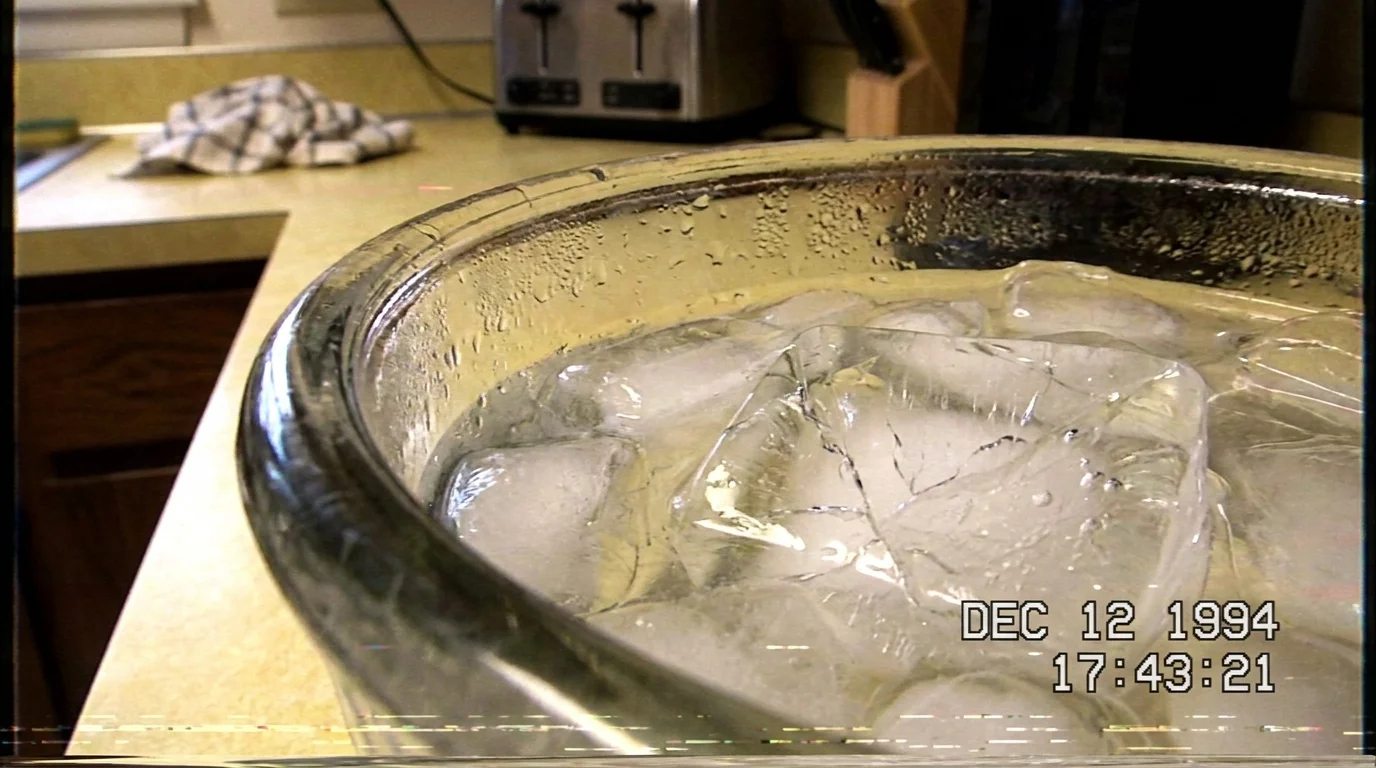
Now, contrast that slow burn with a simpler, starker reality waiting in your bathroom. A large glass bowl sits on the counter, filled to the brim with floating ice cubes and chilled water. The surface is completely still, mirroring the pale, cool morning light filtering through the window. As you lean forward, the sharp chill radiating from the glass wakes up your senses before you even touch the water. You take one deep, deliberate breath, hold it, and submerge your entire face into the icy depths.
The physical shock is instantaneous, but what happens next is not chaos—it is a profound, biological stillness. As the freezing water blankets your forehead, eyes, and cheeks, the frantic morning chatter in your mind suddenly vanishes. You surface seconds later, gasping not from pain, but from an overwhelming surge of clean, quiet clarity that makes your cup of coffee look obsolete.
The Biological Override: Flicking the Neural Master Switch
To understand this instant awakening, we must abandon the idea that energy is something we must swallow and digest. Our bodies run on ancient survival programs, and the most powerful of these is the mammalian dive reflex. When cold water contacts the specific sensory branches of the trigeminal nerve on your face, it sends an immediate, urgent signal to your brainstem. This is not a gradual ramp-up; it is an executive override that instantly shifts your internal state.
When you shock the facial vagus nerve with freezing temperatures, your body immediately assumes you have submerged into deep, cold water. To preserve your life, it instantly slows your heart rate and constricts peripheral blood vessels. This vasoconstriction performs a remarkable feat of internal plumbing: it redirects oxygen-rich blood away from your extremities and forces it straight to your brain and vital organs. You are not just waking up; you are physically flooding your prefrontal cortex with fresh, highly oxygenated blood.
- Four-wheel spinner luggage quietly ruins your natural shoulder strength and posture
- Oil-free gel moisturizers make morning fine lines look instantly deeper for mature skin
- Reading in bed propped on pillows silently causes stubborn chronic neck tension
- Instant oatmeal breakfasts leave adults over forty completely wiped out by noon
- Customer service voices force painful chronic tension directly into your lower jaw
Dr. Evelyn Cole, a forty-four-year-old clinical neuroscientist practicing in Seattle, began recommending this practice to her patients after realizing how many were trapped in a cycle of morning anxiety and caffeine dependency. “My patients were drinking three cups of coffee before noon just to clear the cobwebs, but they were only feeding their baseline panic,” Cole explains. By replacing the first cup of coffee with a ten-second face plunge, her patients reported immediate cognitive clarity without the elevated heart rate or subsequent afternoon crash that caffeine inevitably demands.
Adapting the Freeze: Tailoring the Ritual to Your Nervous System
Not every nervous system requires the same level of intensity to activate this survival-based clarity. For the absolute beginner, the thought of ice water can trigger a fight-or-flight response that defeats the calming purpose of the plunge. If you are naturally sensitive to cold, you do not need to fill the bowl with solid ice; starting with simple, refrigerator-chilled water is enough to stimulate the trigeminal nerve and initiate the oxygen redirection.
For those who have built a tolerance, or those who wake up with severe brain fog and morning sluggishness, the high-intensity approach is unmatched. This involves a dense ice bath for the face, where the water temperature hovers just above freezing. This level of cold triggers a more robust dive reflex, sending a more dramatic surge of blood to the brain and offering a profound sense of calm focus that can last for hours.
The Five-Second Resurface Protocol
Implementing this ritual requires no expensive equipment or complex routines, only a mindful approach to your body’s natural reflexes. It is best practiced immediately after waking, before you check your phone or look at a screen, allowing your brain to transition naturally from sleep states to active alertness.
- Step 1: Fill a large, wide glass bowl with cold tap water and add eight to ten large ice cubes, letting it sit for two minutes to chill thoroughly.
- Step 2: Pull your hair away from your face and take three slow, deep belly breaths to stabilize your baseline heart rate.
- Step 3: On your final breath, exhale halfway, hold your breath, and lower your entire face into the water, ensuring your forehead, eyes, and temple areas are fully submerged.
- Step 4: Hold your face beneath the surface for ten to fifteen seconds, focusing entirely on the sensation of the cold against your skin.
- Step 5: Gently lift your face, pat your skin dry with a soft linen towel, and enjoy the immediate sensation of blood returning to your cheeks and clarity returning to your mind.
To make this practice a permanent part of your morning, keep a dedicated glass bowl in your bathroom so the physical barrier to entry is as low as possible. The raw physical feedback of the cold water acts as a habit anchor, making it easier to skip the coffee pot and head straight to the sink.
Reclaiming Your Native Alertness
By choosing the cold plunge over the coffee cup, you are participating in a quiet rebellion against modern wellness marketing. We have been conditioned to believe that alertness is a commodity we must purchase, brew, and consume. In reality, your body already possesses the structural pathways to produce intense, focused energy on demand, entirely free of charge.
Stepping away from the daily caffeine cycle is not about self-punishment; it is about reclaiming your brain’s natural sovereignty. When you wake up your mind through the mammalian dive reflex, you are choosing a clean, steady attention span that does not demand a payment of anxiety or afternoon fatigue later in the day.
The cold is not an enemy to be feared, but a structural reset that reminds the nervous system of its own quiet power.
| Key Point | Detail | Added Value for the Reader |
|---|---|---|
| Vagus Nerve Activation | Cold water triggers immediate parasympathetic signaling. | Slows heart rate instantly, sweeping away morning anxiety. |
| Mammalian Dive Reflex | Constricts blood vessels in limbs to favor core organs. | Shunts fresh, oxygen-rich blood straight to the prefrontal cortex. |
| Zero-Chemical Energy | Requires no consumption, digestion, or chemical processing. | Eliminates the morning acidic stomach and afternoon caffeine crashes. |
Frequently Asked Questions
Is it safe to submerge your face in ice water every single day? Yes, for most healthy individuals, a daily ten-to-fifteen-second plunge is entirely safe and highly beneficial for nervous system resilience.
How cold does the water actually need to be to work? The water should ideally be between forty and fifty degrees Fahrenheit to trigger the mammalian dive reflex effectively.
Can I just splash my face with cold water instead? Splashing provides a mild wake-up call, but full submersion of the eyes and forehead is required to trigger the deeper physiological dive reflex.
Should I do this before or after my skincare routine? Always perform the plunge first on clean skin, as the cold water will temporarily tighten pores and improve blood circulation before you apply any products.
Does this mean I have to give up coffee completely? Not at all, but delaying your coffee by ninety minutes allows your natural cortisol to peak first, preventing caffeine tolerance and midday fatigue.