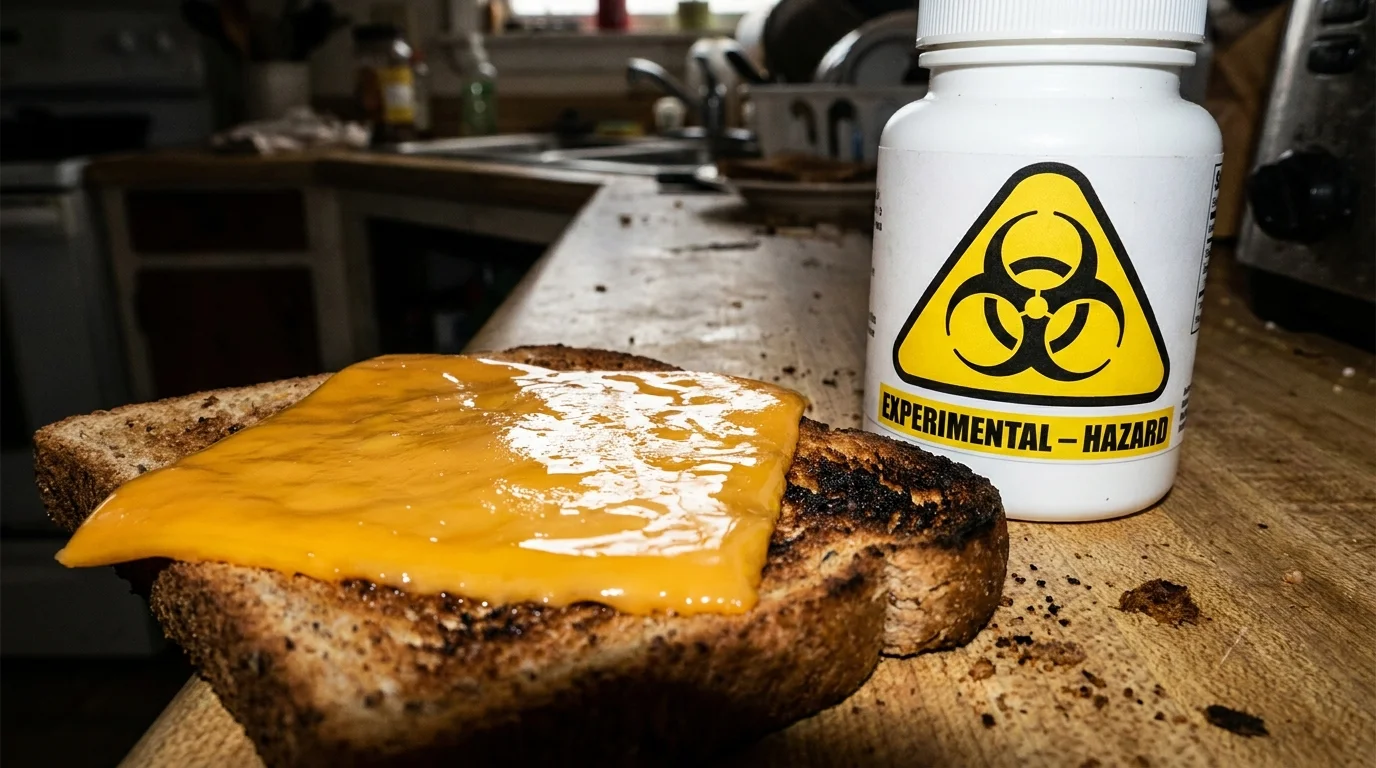
The morning kitchen is quiet, filled with the comforting scent of toasted sourdough. On the counter rests a rubbery orange square of processed plant-based cheddar melting unevenly on a piece of toast. It does not bubble or stretch like traditional dairy; instead, it sweats a slick sheen of coconut oil while its edges curl into hard, plastic-like corners. You chose this because you wanted to treat your body kindly, trading traditional dairy for what promised to be a cleaner, gentler path.
The visual appeal of dairy-free living feels like a promise of purity. You expect your skin to clear, your digestion to ease, and your morning puffiness to melt away. Yet, as you take a bite, there is a subtle, gelatinous pull that reveals the industrial chemistry required to mimic the melt of real casein. **Your skin is listening to every bite**, registering the complex molecular signals of highly processed starches.
The reality of these plant-based alternatives is far from the pastoral fields depicted on their packaging. Behind the comforting organic labels lies a dense matrix of modified food starches, thickeners, and emulsifiers designed to perform a structural miracle in your skillet. Unfortunately, this chemical acrobatics comes at a silent, structural cost to your face.
The Dermal Inflame-Aging Loop
We have been conditioned to believe that eliminating dairy is the golden ticket to a flawless, youthful complexion. When you swap traditional cheese for processed vegan slices, you are often trading a natural, whole food for a highly engineered cocktail of isolated vegetable starches and refined oils. This trade-off triggers a silent, systemic emergency known as the **Dermal Inflame-Aging Loop**, breaching your gut-skin barrier.
Think of your gut barrier as a tightly woven silk screen, letting only tiny, fully digested nutrients pass into your bloodstream. When heavily modified starches arrive in your digestive tract, they act like coarse grit thrown against that delicate silk, tearing microscopic holes in the barrier. This gut leak allows inflammatory molecules to escape directly into your circulation, traveling straight to your face where they disrupt the delicate subcutaneous fat pads.
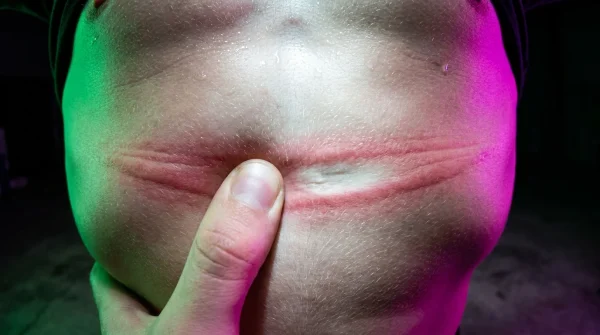
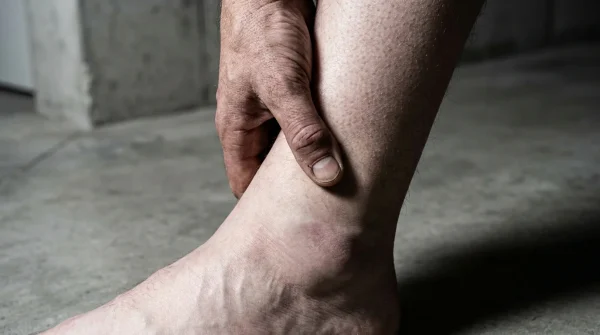
Once these inflammatory signals reach the lower face, they go to work on your structural support system. Modified food starch contains complex, synthetic carbohydrate chains that can bind directly to your collagen fibers in a process akin to caramelization. **These stiffened collagen fibers snap** under the natural movement of your facial muscles, resulting in a sudden hollowed look around your jawline and mouth.
- Scented trash bags silently disrupt your endocrine system causing sudden mysterious bloating
- Six dementia symptoms force major health networks to rewrite standard memory evaluations
- Peptides are spiking in wellness searches but trainers warn against synthetic vials
- Zyrtec recall panic sends allergy sufferers scrambling for dangerous unverified alternatives
- Humidifier placement beside your bed actually ruins deep REM sleep cycles
The Hidden Price of Clean Mimicry
Dr. Marcus Vance, a 46-year-old integrative dermatologist based in Boston, began noticing a strange pattern among his patients who had recently transitioned to strict plant-based diets. Despite their pristine habits, these patients were presenting with a sudden loss of volume in their lower cheeks and a distinct thinning of the skin around the mouth. When he analyzed their dietary logs, the common denominator was a high daily intake of modified starch-heavy vegan cheese alternatives, which he discovered were systematically degrading their subcutaneous collagen networks.
Tailoring Your Dietary Recovery
For the Acne-Prone Clean Eater
If you originally cut out dairy to quiet down stubborn cystic breakouts, you are highly vulnerable to this volume-loss cycle. Your skin is already prone to inflammatory signaling, meaning your body reacts even more aggressively to the modified starches in plant-based slices. **Calming the gut first** rather than replacing dairy with highly processed lookalikes must become your immediate priority.
For the Busy Meal-Prepper
Perhaps you rely on the convenience of pre-sliced vegan cheese to make quick weekday lunches. Convenience should not cost you your facial structure, so look for simple, whole-food fats to recreate that rich, creamy texture without the industrial binders. Avocados or home-whipped seed spreads can offer the satisfying mouthfeel you crave without triggering the gut-skin inflammatory cascade.
Rebuilding Your Skin-Gut Barrier
Reversing this subtle deflation requires a pivot away from industrial substitutes toward skin-respecting, whole foods. You do not have to abandon your plant-based values; instead, you must learn to read labels with a critical, protective eye. **Transitioning your daily pantry** involves a few deliberate, gentle adjustments that restore the integrity of your gut lining and protect your remaining collagen reserves.
By focusing on ancestral, unprocessed fats, you allow your skin to naturally plump from the inside out. Your body recognizes these real foods, processing them without triggering the defense mechanisms that lead to systemic inflammation.
- Check for the Big Three: Eliminate any plant-based cheese containing modified food starch, potato starch, or tapioca starch in the top three ingredients.
- Introduce Gut-Sealing Broths: Incorporate daily cups of warm, mineral-rich vegetable broths infused with L-glutamine to help heal the microscopic tears in your digestive tract.
- Embrace Whole Fat Alternatives: Swap out processed slices for raw pumpkin seed butter, tahini, or cultured cashew cheese that uses natural fermentation rather than starch binders.
- Cool Your Cooking: When preparing warm meals, add your healthy fats at the very end of cooking to preserve their delicate molecular structure and prevent inflammatory oxidation.
Tactical Toolkit: Maintain a target of zero synthetic thickeners for 21 days; consume 15 grams of gut-supporting amino acids daily; keep your cooking temperatures below 350 degrees Fahrenheit to protect plant-based oils from oxidizing.
Beyond the Plate
True wellness is never a matter of deprivation or mimicking the very foods that no longer serve you. When we force plant-based ingredients to mimic the exact stretch and melt of animal fats, we sacrifice the very purity we set out to find. **Embracing whole food textures** brings a profound sense of relief to both your body and your mind.
Your face reflects the peace of a digestive system that is no longer fighting against industrial chemistry, letting your natural volume and radiance return naturally. Let go of the need for perfect dairy lookalikes and discover the simple, grounding beauty of real nourishment.
The skin never lies about the state of the gut; when we feed it synthetic architecture, our natural architecture is the first thing to crumble. – Dr. Marcus Vance
| Key Point | Detail | Added Value for the Reader |
|---|---|---|
| Modified Food Starches | Binds to collagen fibers, causing them to stiffen and snap over time. | Saves lower facial volume from sudden, premature aging. |
| Gut-Skin Barrier Breach | Microscopic gut tears let inflammatory molecules enter the bloodstream. | Restores full systemic calm and clears stubborn facial redness. |
| Whole Food Fats | Replaces processed slices with avocados, tahini, and fermented cashew paste. | Provides dense, skin-plumping nutrients without the inflammatory flare-ups. |
Frequently Asked Questions
Will cutting out vegan cheese completely restore my lower facial volume?
Yes, over time your body can rebuild damaged collagen if you heal your gut barrier and stop consuming the starches that cause fiber stiffness.Are all plant-based cheeses dangerous for my skin?
No, only those heavily reliant on modified starches and refined oils; naturally fermented nut cheeses are actually excellent for gut health.How long does it take to heal the gut-skin barrier?
With a clean, whole-food diet, you can expect to see initial improvements in skin texture and calm within three to four weeks.Can I use topical collagen to fix this volume loss?
Topical collagen cannot penetrate deeply enough; you must address the issue internally by protecting your gut and structural fibers.What is the best alternative to melt on my toast?
A ripe avocado mashed with sea salt and a drizzle of cold-pressed olive oil offers a rich, skin-loving melt without the chemical binders.