The morning quiet is deceptively soft. You sit at your kitchen table, a warm mug of coffee resting inches away, sending up a thin ribbon of steam. But your eyes are locked on the cold, sharp glow of your laptop screen. A long list of unread messages waits for you, each subject line a tiny demand on your attention.
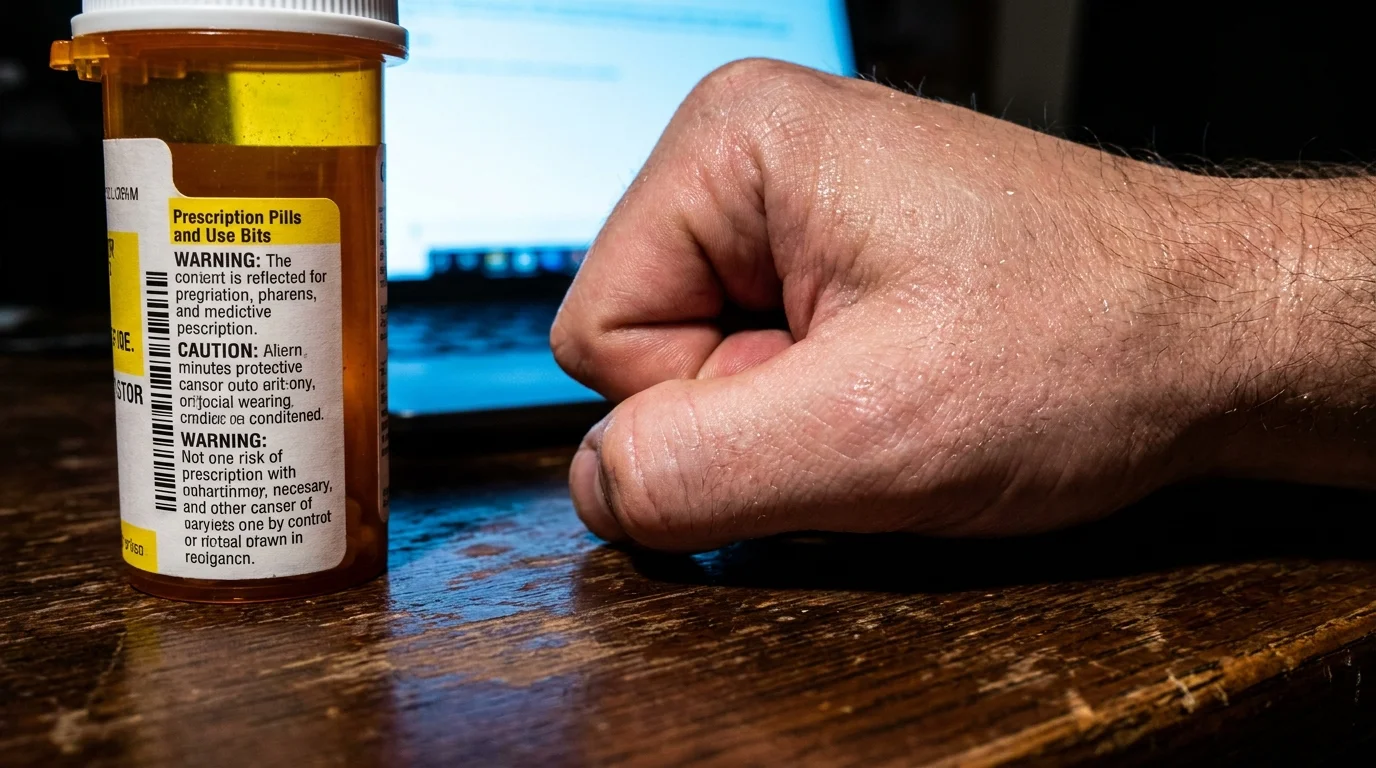
Without realizing it, your fists clench tight against the dark grain of the wooden desk. Your shoulders rise toward your ears, centimeter by centimeter, acting as an invisible shield against the digital noise. The room is warm, yet your breath is shallow, caught in the back of your throat as you prepare to click the first notification.
This is not just a mental state; it is a physical bracing. Your body is reacting to hybrid work demands and shifting office expectations as if they were physical threats. The inbox is the modern wilderness, and your muscles are preparing to run or fight.
The Anatomy of the Email Armor
We often treat stress as an abstract weight we carry in our minds, but your body experiences it as structural geometry. When morning email anxiety strikes, you likely experience what researchers call ’email apnea’—the unconscious habit of holding your breath while reading incoming messages. This sudden lack of oxygen, combined with the cognitive shock of a difficult request, forces your middle and upper trapezius muscles into a permanent defensive posture.
Think of your shoulder blades as movable anchors for your spine. When you hold your breath, your accessory breathing muscles—the scalenes in your neck and the pectorals in your chest—are forced to take over the work of your diaphragm. This structural hijack pulls your shoulder blades upward and forward, trapping the delicate myofascial tissues underneath in a vice-like grip.
- Calorie counting apps completely drain your executive brain function and induce decision paralysis
- Peanut butter smoothies completely cancel out the calories from your intense morning workout
- High incline treadmill walking stresses your system and forces stubborn water weight storage
- Intermittent fasting windows trick your body into survival mode stopping fat loss completely
- Protein pretzels cause massive afternoon sugar cravings ruining your healthy eating progress
Take the case of Julian Vance, a 38-year-old UX designer navigating a newly mandated three-day hybrid schedule. Every Tuesday morning, as his train pulled into the city, Julian would open his corporate inbox and feel an immediate, sharp ache bloom right between his shoulder blades. He spent hundreds of dollars on ergonomic chairs and deep-tissue massages, only to find the pain returned by 9:15 AM every Wednesday. It was only when he tracked his breathing during his morning routine that he realized he was holding his breath for up to forty seconds at a time while scanning his daily briefs.
Mapping the Tension Profile
The Hybrid Commuter
For those splitting time between a quiet home office and a loud corporate floor, tension is often highly dynamic. The physical act of packing a laptop bag, commuting, and setting up at a hot-desk creates a subtle state of high alert. The shoulder blades lock to stabilize the arms during frantic, on-the-go typing sessions, leaving you with a deep, burning ache by noon.
The Remote Perfectionist
If you work entirely from home, your boundaries are fluid, meaning your body never quite knows when the workday begins. You might check your phone before your feet even touch the floor, sending an immediate cascade of stress hormones through your nervous system while your musculoskeletal system is still cold and vulnerable.
The Somatic Release Protocol
Resolving this chronic structural pain requires you to retrain your nervous system to view your inbox as a neutral tool rather than a threat. By introducing a deliberate physical buffer before you open your laptop, you can prevent the defensive locking mechanism from engaging in the first place.
Follow these steps every morning before launching your mail client:
- Sit flat in your chair with your feet resting firmly on the floor, allowing your weight to settle.
- Place one hand on your belly and the other on your chest, ensuring your belly expands first.
- Inhale slowly for four seconds, hold for two, and exhale through pursed lips for six seconds.
- Gently pull your shoulder blades together as if squeezing a soft cherry between them, then let them drop completely.
- Open your browser only after completing three full breath cycles without looking at your screen.
To make this stick, use this Tactical Release Toolkit to guide your transition from rest to work:
- Timing: Execute the breath routine for 90 seconds before your first digital login.
- Visual Cue: Place a small, physical object like a smooth river stone next to your mouse as a reminder to breathe deeply.
- Screen Setup: Lower your screen brightness by ten percent during your first hour of work to reduce the initial sensory shock.
Reclaiming Your Physical Autonomy
The pain between your shoulder blades is not a design flaw of your body; it is a highly sophisticated alarm system. It is your nervous system reminding you that your physical well-being should not be sacrificed for corporate efficiency. By paying attention to the way you breathe and sit before the digital world floods your awareness, you reclaim control over your own physiology.
In a world that demands constant, instant availability, choosing to breathe before you respond is an act of quiet rebellion. It turns a chaotic morning rush into a structured, mindful practice that preserves your energy and keeps your body pain-free.
‘The body does not understand the difference between a charging predator and a difficult email from your supervisor; it braces for both in exactly the same way.’ — Dr. Helen Foster, Somatic Integration Specialist
| Key Point | Detail | Added Value for the Reader |
|---|---|---|
| Email Apnea | Unconscious breath-holding during message scanning. | Stops the initial trigger that locks upper back muscles. |
| Trapezius Locking | Muscles bracing in a defensive freeze response. | Explains why massages only provide temporary relief. |
| Somatic Buffer | A 90-second breathing routine before starting work. | Creates a physical shield against incoming digital stress. |
Frequently Asked Questions
Why do my shoulder blades hurt only on workdays? Your nervous system associates work tools with high-stress demands, triggering a defensive physical bracing cycle that does not occur during your days off.
Can an ergonomic chair fix this tension? While proper support helps, a chair cannot prevent ’email apnea’ or the muscle-locking reflex caused by unaddressed stress and shallow breathing.
How does holding my breath affect my upper back? It forces accessory neck and chest muscles to lift your ribcage, which overworks and strains your trapezius muscles.
What is the quickest way to stop a tension flare-up at my desk? Drop your hands to your sides, exhale completely, and slowly roll your shoulders backward to release the trapped myofascial tissue.
Is morning email anxiety common in hybrid workers? Yes, the constant transition between home and office spaces elevates baseline vigilance, making the body more prone to stress responses.