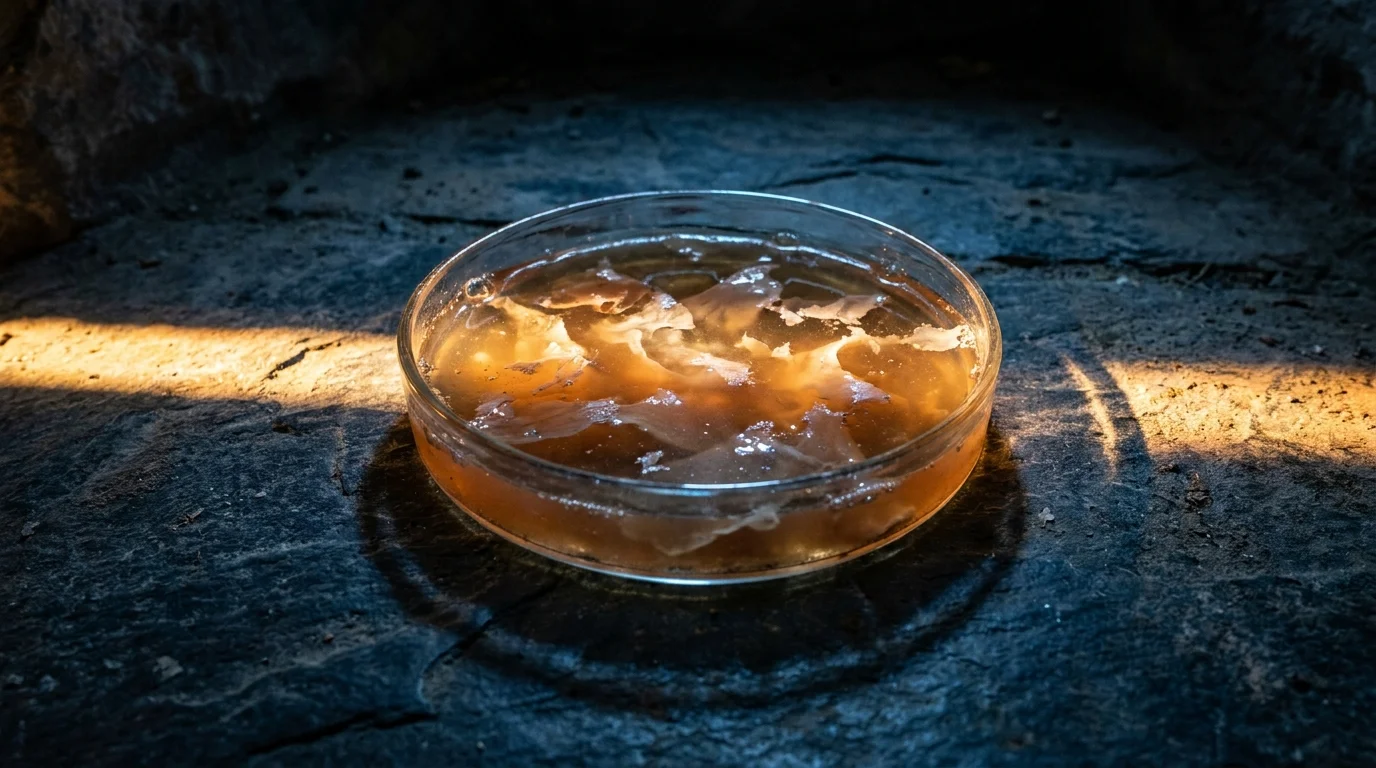
The sharp, orchard-like scent of fermented apples rises from a warm basin, mingling with the clean steam of a quiet bathroom. You probably have a bottle of this amber liquid sitting in your pantry right now, nestled somewhere between the olive oil and the baking soda. For years, the wellness crowd insisted you swallow a spoonful every morning, forcing yourself to tolerate the sour burn in the name of gut health.
But while you were busy holding your nose to drink it, you missed its true calling. The real magic happens when you stop drinking it and start pouring it over your tired, aching feet. Imagine a long, heavy day where your heels feel like dry wood, thick and unyielding against the fabric of your socks, demanding that you reclaim your natural stride without pain.
Instead of reaching for a cheese-grater style metal rasp that leaves your skin raw and bleeding, you submerge your feet into a warm, clouding bath. Within twenty minutes, you watch the murky amber liquid swirling around floating white flakes of softened skin, gently lifting away what months of walking had built up. It is a quiet, incredibly satisfying transformation that requires no violent scrubbing, turning a chore into a moment of pure relief.
This is the quiet efficiency of natural chemistry over brute force. When you understand how organic acids interact with human keratin, you realize that the most stubborn calluses do not need to be sanded down like rough pine. They simply need to be dissolved, returning your feet to the soft, supple state they were always meant to have.
The Acidic Solvent: Why Softening Beats Scrubbing
Think of your heel calluses not as an enemy to be conquered with sandpaper, but as a tightly woven wool sweater that has shrunk in the wash. A pumice stone acts like a pair of scissors, aggressively tearing at the fibers and often leaving the healthy skin underneath exposed, angry, and primed to grow back even thicker as a defense mechanism. It is a counterproductive loop of friction and repair that keeps your heels in a constant state of emergency.
Apple cider vinegar operates on a completely different system of physical chemistry, utilizing its natural pH. The liquid contains natural acetic, lactic, and malic acids, which act as microscopic wedges sliding between the cemented bonds of dead skin cells. Instead of grinding the surface, the vinegar gently unglues the intercellular cement, allowing the dead layers to slide off like wet tissue paper without disturbing the living tissue beneath.
- Matcha whisking builds sharper morning focus than strong espresso
- Rolling grocery baskets cause mature adults to lose their natural posture and balance
- Hyaluronic acid serums make morning fine lines look instantly deeper in dry environments
- Plush memory foam mattresses secretly strain your lower back joints during the night
- Morning email anxiety causes localized chronic tension trapped directly in your shoulder blades
This targeted desquamation preserves the integrity of your living tissue. By lowering the pH of the skin barrier, the soak naturally softens the hardened keratin without triggering the inflammatory response that tells your body to produce more protective armor. You are working with your skin’s natural biology, allowing it to shed its old layers in a way that feels organic and non-invasive.
A Whisper from the Treatment Room
Most people ruin their feet because they treat them like construction projects, using tools that belong in a woodshop rather than a bathroom. Clara Vance, a veteran nail therapist in Portland who spent twenty-four years restoring the feet of marathon runners and landscape gardeners, discovered this early in her career. She abandoned mechanical metal files after noticing that her clients returned every three weeks with even harder, yellowed ridges on their heels. Clara began preparing a warm, fermented vinegar bath for her clients before every service, allowing the natural fermentation properties to do the heavy lifting while she focused on massage, proving that patience and mild acidity always outlast the most aggressive physical tools.
Tailoring the Soak to Your Daily Stride
Not every pair of feet carries the same history or the same structural needs. A waitress who spends ten hours on polished concrete floors possesses a different type of pressure callus than a remote worker who walks barefoot on hardwood floors all day. To get the best results, you must match your vinegar ratio to your specific lifestyle and the thickness of your skin.
The Heavy-Duty Restorative
If your heels feature deep, dry fissures that catch on your bedsheets, your skin has built up a dense defensive wall. For this level of buildup, you need a highly concentrated bath that penetrates the thickest layers of keratin. You will want to use equal parts warm water and raw, unfiltered apple cider vinegar, allowing your feet to rest in the mixture for a full twenty-five minutes, ensuring the liquid saturates the deep cracks where dirt and dead skin accumulate.
The Maintenance Rinse
If your feet are generally soft but suffer from a light, chalky glaze along the edges of your big toes and heels, a lighter touch is required. A milder dilution preserves your skin’s natural lipid barrier while sweeping away the weekly dust and superficial buildup. Use a three-to-one water-to-vinegar ratio once every two weeks to keep your skin supple, preventing the initial buildup from hardening into permanent yellow ridges that require drastic measures later.
The Minimalist Foot Ritual: Step-by-Step
Transforming this pantry staple into a therapeutic treatment requires a quiet space and a few minutes of uninterrupted time. It is a slow, grounding process that should feel like a relief at the end of a long week. Prepare your space by laying down a soft towel to catch any splashes and setting your phone to silent to protect your peace.
Let the warm water soothe your ankles before you introduce the acidic element to the basin. When you submerge your feet, focus on the sensation of the mild heat easing the tension in your arches. A quiet, grounding process takes place as the organic acids begin to loosen the dry, dead layers without any physical effort on your part.
- Pour two quarts of warm water (ideally around 102 degrees Fahrenheit) into a wide basin.
- Add two cups of raw, unfiltered apple cider vinegar containing ‘the mother’ for its rich enzyme profile.
- Submerge your feet completely for twenty minutes, keeping a warm towel over your knees to trap the rising steam.
- Gently sweep a soft washcloth or a damp cotton pad over your heels to slide off the softened skin.
- Rinse with cool, fresh water and immediately seal the moisture with a thick, unscented balm or pure shea butter.
This simple sequence bypasses the need for raw scrubbing, keeping your skin’s surface smooth and intact. By repeating this process weekly during the dry winter months, you keep your heels soft without ever needing to step foot in an expensive salon. You are simply allowing the natural fermentation process to do what it does best: restore balance and texture to a tired foundation.
Reclaiming the Ground Beneath Your Feet
We often treat our feet as tools of utility, ignoring them until they cry out in pain or present an embarrassing texture. But your feet are your primary connection to the earth, bearing your entire weight with every step you take through the world. Caring for them with gentle, kitchen-cabinet remedies is a quiet act of respect for the body’s daily labor, acknowledging the miles they have carried you.
When you step out of the amber bath and feel the cool floor against your newly softened heels, you feel a renewed sense of lightness. You do not need expensive, chemical-heavy peeling booties or painful tools to feel comfortable in your own skin. Sometimes, the most profound healing lies in a simple bottle of fermented orchard fruit, waiting quietly in the back of your pantry to soften your path through the world.
“True skin restoration is never an act of violence; it is a gentle negotiation with the body’s natural barriers.” — Clara Vance, Foot Therapist
| Key Point | Detail | Added Value for the Reader |
|---|---|---|
| Acid Profile | Acetic and malic acids dissolve dead skin bonds | Prevents raw, painful heels caused by harsh metal files |
| Temperature | 102°F warm water opens skin pores | Increases penetration of the softening vinegar for deeper results |
| Aftercare | Heavy lipid barrier (shea butter or balm) | Locks in the hydration before the air dries out the fresh skin |
Frequently Asked Questions
How often should I use an apple cider vinegar foot soak? Once a week is ideal for moderate calluses, while once every two weeks works perfectly for general foot maintenance.
Will the vinegar smell linger on my skin after the soak? No, a quick rinse with fresh, cool water completely removes the acidic scent, leaving your skin clean and neutral.
Can I use white vinegar instead of apple cider vinegar? While white vinegar works, apple cider vinegar contains malic acid and enzymes that are much gentler and more nourishing for delicate skin.
Is this soak safe if I have deep, bleeding cracks in my heels? No, if your heels have open, bleeding wounds, avoid acidic soaks until the skin has closed to prevent painful stinging.
Do I need to use a pumice stone after soaking? No, a simple cotton washcloth or soft brush is enough to wipe away the softened skin without damaging your heels.