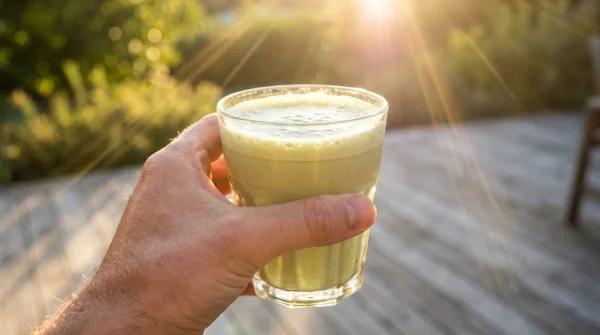
You wake up feeling determined. The refrigerator door swings open, bathing your kitchen in a cool, fluorescent hum. There they sit: six pristine glass bottles, filled with a vibrant, swamp-green elixir that promises to reset your system, wash away a week of heavy dinners, and deliver pure, unadulterated vitality. You unscrew the cap of the first one, anticipating the crisp, earthy taste of clean living.
The liquid hits your tongue, unexpectedly sweet beneath its grassy surface. It feels like a triumph of self-discipline as you gulp it down on an empty stomach. But within three hours, a strange restlessness settles into your limbs. Your focus begins to splinter, your temples thrum with a dull ache, and you find yourself staring blankly into the pantry, desperately searching for anything salty, crunchy, or carb-heavy.
This is the quiet betrayal of the modern cold-pressed liquid detox. We mistake the lack of chewing for a state of biological rest, believing that expensive green bottles are flushing our systems. In reality, you are sending a massive, unbuffered wave of liquid fruit sugar directly to your liver, setting off a hormonal alarm that guarantees a late-afternoon raid on the snack cabinet.
The Metabolic Trojan Horse
Think of your liver as a small, specialized customs office. When you eat a whole apple or a raw carrot, the sugar is locked tightly inside a complex cellular mesh of fiber. Your digestive tract has to work hard to extract it, releasing glucose into your bloodstream at a slow, manageable trickle. Fiber acts like a natural speed bump, keeping your energy stable and your appetite quiet.
Strip away that fiber, and you create a metabolic speedway. A single bottle of commercial green juice often contains the concentrated sugars of three apples, a pear, and a handful of spinach. Without the structural fiber to slow it down, up to forty grams of fructose slam into your portal vein all at once. Your body has no choice but to secrete a massive wave of insulin, clearing the sugar from your blood so quickly that you crash straight into a state of perceived starvation.
The Hidden Cleanse Reality
Consider the experience of Marcus Thorne, a forty-two-year-old landscape architect from Portland, Oregon. Marcus used to kick off every spring with a five-day liquid green cleanse, hoping to shed winter weight and regain his mental clarity. Instead, by three o’clock every afternoon, he found himself so dizzy and irritable that he would secretly eat handfuls of tortilla chips in his truck. When he finally analyzed the nutrition labels, he realized his healthy green habit was delivering over ninety grams of pure sugar before lunch, forcing his endocrine system into a constant state of emergency.
- Epsom salt baths actually rebuild damaged muscle tissue after heavy weekend yard work
- Black tea bags clear up painful razor burn bumps almost entirely overnight
- Dry body brushing wakes up your morning brain much faster than strong espresso
- Slip-on shoes quietly cause mature adults to lose their natural posture and balance
- Powder sunscreens applied over morning makeup make fine lines look instantly deeper
Identifying Your Juice: The Three Hidden Sugar Profiles
Not all green juices are created equal, and understanding what is actually inside your bottle is the first step to reclaiming your metabolic peace. The wellness industry has masterfully hidden high-glycemic fruit purees under the guise of leafy greens, leaving you to suffer the consequences.
The Fruit-First “Green” Illusion
This is the most common trap found in standard grocery stores. The bottle looks deep green, but the first three ingredients are apple juice, white grape juice, and mango puree. This liquid sugar bomb delivers almost no active vegetable nutrients, serving instead as a premium-priced soda that tricks your brain into thinking it is practicing self-care.
The Cold-Pressed Hybrid
Often purchased at boutique wellness bars, these blends contain actual kale, celery, and cucumber, but use a heavy dose of pineapple or pear to mask the bitter taste of the greens. While slightly better, the high liquid fructose content still bypasses your digestive buffers, leading to a rapid insulin spike followed by an inevitable mood drop.
The Pure Veggie Infusion
This is the true professional standard. Made exclusively from romaine, celery, cucumber, parsley, and lemon, this blend contains less than five grams of sugar. It tastes intensely savory, almost medicinal, but it provides genuine micro-nutritional support without triggering a metabolic rebellion.
Rebuilding Your Liquid Ritual
You do not have to abandon green elixirs entirely to protect your energy. By shifting how and when you consume these drinks, you can enjoy their benefits without falling into the sugar-crash cycle. It requires a mindful approach to timing, ingredients, and biological preparation.
Always consume your green liquids alongside a source of healthy fat or clean protein. A handful of raw almonds or a spoonful of coconut butter will slow down gastric emptying, mimicking the natural buffer of fiber. This simple pairing protects your liver from the sudden fructose rush, keeping your cognitive focus sharp and your appetite grounded.
Follow these technical guidelines to audit your daily routine:
- Check the ingredient order: Ensure cucumber, celery, or leafy greens are the first three items listed.
- Cap the sugar limit: Choose juices with less than eight grams of sugar per serving.
- Monitor the timing: Never consume fruit-heavy juices on an empty morning stomach.
- Introduce healthy fats: Pair your green drink with avocado or raw seeds to stabilize absorption.
- Listen to your body: If you experience a cold sweat or irritability two hours later, discard that specific blend.
To help you navigate your next grocery run or juice bar visit, utilize this tactical toolkit for keeping your blood sugar steady:
- Target Fructose Limit: Under 5 grams per 8-ounce serving
- Recommended Buffer: 10 grams of dietary fat (e.g., 1/2 avocado)
- Optimal Window: Mid-morning, at least 1 hour after a savory, protein-rich breakfast
Stepping Off the Deprivation Wheel
The appeal of the quick-fix liquid cleanse lies in its promise of absolute control. We live in a world of physical overwhelm, and the idea of drinking nothing but pure, colorful liquid feels like an elegant escape from the messiness of modern digestion. But true physical harmony is never built on a foundation of starvation and silent biological panic.
When you stop chasing the extreme highs and lows of liquid sugar cycles, your body finally finds its natural baseline. You begin to appreciate the quiet power of whole foods, the steady burn of complex fiber, and the freedom of a mind that isn’t constantly plotting its next sugar rescue. The next time you see that brightly colored, sticky green liquid clinging to the side of a glass bottle, you can look past the label and choose a path of real, sustainable nourishment.
“The most expensive juice on the shelf is often just a highly concentrated sugar delivery system wearing a green health halo.” — Dr. Elena Rostova, Metabolic Research Fellow
| Beverage Choice | Fructose Impact | Added Value for the Reader |
|---|---|---|
| Fruit-Sweetened Green Juice | High (25-40g) | Identifies the direct cause of late-afternoon energy crashes and pantry raids. |
| Pure Vegetable Juice | Low (Under 5g) | Provides micronutrients without triggering insulin spikes or digestive distress. |
| Whole Green Smoothie | Medium (10-15g) | Retains natural plant fiber to slow digestion and support long-term satiety. |
Frequently Asked Questions
Why does green juice make me so hungry if it is full of nutrients? Because removing the fiber allows liquid fructose to enter your bloodstream instantly, causing a rapid insulin spike and subsequent crash that triggers biological hunger signals.
Can I still drink green juice if I am trying to lose weight? Yes, but only if you select juices made entirely of low-sugar vegetables like celery, cucumber, and spinach, avoiding apple, pear, or pineapple bases.
Is cold-pressed juice better than blended smoothies? Smoothies are generally better for sustained energy because they retain the whole plant fiber, which slows down sugar absorption and keeps you physically satisfied.
What are the signs that my juice cleanse is harming my metabolism? Common signs include intense afternoon headaches, extreme irritability, sudden brain fog, and an uncontrollable craving for processed carbohydrates.
How can I safely break a juice cleanse without shocking my system? Start with small, easily digestible meals such as bone broth, steamed vegetables, or a small portion of clean protein paired with healthy fats like olive oil.