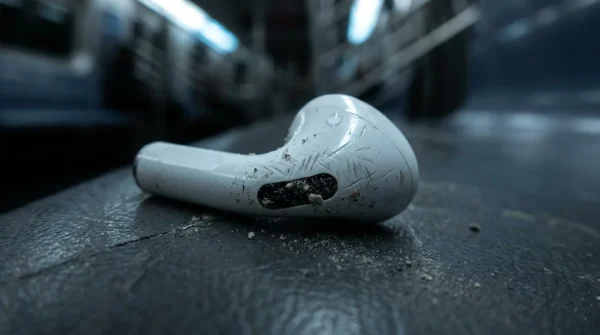
The soft, rhythmic hum of your laptop fan fills the quiet room as the afternoon light shifts across your desk. You sip a cup of lukewarm coffee, your eyes scanning a spreadsheet, completely unaware of the subtle physical holding patterns in your body. Then, it happens. A sharp, cheerful, high-frequency sound pierces the quiet—the unmistakable chime of a new message landing in your direct folder.
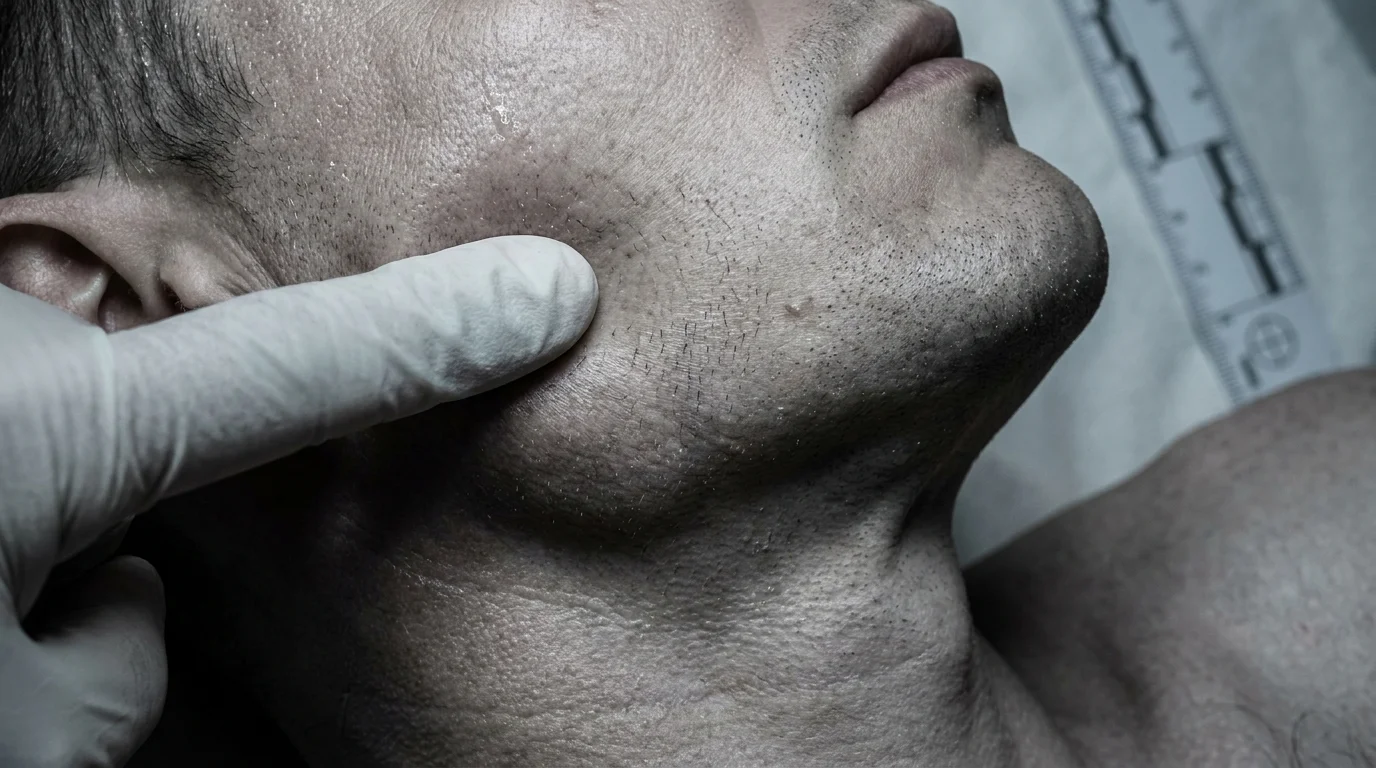
Without your conscious permission, your shoulders hike upward by a fraction of an inch, and your teeth slam together in a tight, protective lock. This is not a conscious decision, but a deeply wired survival reflex acting out in real time. Your masseter muscles tighten instantly in response to the digital demand, bracing for whatever urgent request has just breached your workspace.
By five in the evening, the cumulative cost of these tiny, repetitive startle responses becomes impossible to ignore. What started as a productive workday ends with a tight rigid jawline and a dull throbbing ache directly behind the ears. You try to rub your cheeks to find relief, but the discomfort feels structural, locked deep inside the bones of your upper face where no surface massage can reach.
The Silent Toll of the Acoustic Startle Reflex
We are taught to treat chronic head and face tension as a mechanical failure of the body. You are told to buy thicker night guards, schedule expensive jaw adjustments, or practice complex breathing routines before bed. Yet, these physical remedies fail because they treat daytime neurological stress as a nighttime sleep disorder.
Think of your nervous system as a highly sensitive security network where your jaw serves as the primary shock absorber. The sudden auditory spike of a work notification acts like a tiny, repetitive physical strike to this system. Your brain interprets the chime as a minor threat, triggering a micro-clench of your masseter muscle to prepare you for battle or flight. Because this happens fifty times a day, your jaw never returns to its natural, resting baseline.
Consider the experience of Julianne, a 38-year-old remote operations manager from Chicago, who spent two years seeking dental interventions for what felt like a deep, burning ache in her upper molars. She underwent bite adjustments and wore custom acrylic splints, only to find the pain intensified as her team moved to a fully remote workflow. It was only when her physical therapist asked her to track her pain levels alongside her screen time that she realized her jaw spasms spiked within minutes of opening her chat client each morning.
- Updated US cholesterol guidelines strip millions of aging adults from daily statins
- Trapped carbon dioxide indoors triggers rapid toxic plaque buildup in aging brains
- Sudden Cetirizine allergy recalls force millions into massive immediate pharmaceutical withdrawals
- Nest thermostat winter schedules block crucial deep sleep cycles if set warm
- Herman Miller Aeron chairs secretly dissolve your lower protective spine cartilage daily
Identifying Your Digital Somatic Profile
To break this physical holding pattern, you must first recognize how your body processes the daily influx of digital demands.
The Immediate Responder
If you pride yourself on zero-inbox efficiency, you likely suffer from immediate response tension. The moment an alert sounds, your breath catches in your chest, and your tongue presses violently against the roof of your mouth, compressing the nerves in your upper palate. This constant pressure builds a steady, burning sensation that radiates from the cheekbones down to the collarbone.
The Silent Resenter
If you tend to let notifications pile up while feeling a growing sense of dread, your tension is slow and cumulative. You might not respond right away, but your mind continues to process the unfinished task, causing you to hold your breath and grind your teeth laterally throughout the afternoon.
Rewiring Your Physical Response
Restoring ease to your upper jaw requires a mindful decoupling of the auditory trigger from your physical muscles. You cannot always control the volume of your workload, but you can alter how your body registers the incoming signals.
- Swap High-Frequency Chimes: Change your notification sounds to low-frequency, organic tones like woodwinds or soft bells to avoid triggering the startle reflex.
- The Posture Pause: Keep your lips gently closed while ensuring your upper and lower teeth never touch during non-eating hours.
- Palate Rest Positioning: Let the tip of your tongue rest lightly behind your front teeth, which naturally relaxes the masseter muscle.
Tactical Toolkit:
- Trigger Sound: Switch to sounds below 500Hz.
- Desk Cue: Place a small colored sticker on your monitor as a visual reminder to relax your jaw.
- Active Release: Gently open your mouth wide for 10 seconds every hour to stretch the temporal muscles.
Reclaiming Your Physical Sovereignty
Your jaw does not belong to your company, and your physical ease should not be the tax you pay for remote collaboration. When you consciously break the connection between digital noise and physical tension, you reclaim a basic level of physical sovereignty. True relief does not come from a thicker night guard worn in the dark; it comes from establishing boundaries during the day that protect your body from the constant demands of the modern screen.
Your jaw is the physical gateway where mental urgency is converted into structural pain.
| Key Point | Detail | Added Value for the Reader |
|---|---|---|
| Waking Clench | Acute auditory micro-startle reflex during work | Helps you identify daytime tension sources. |
| The Failed Fix | Using heavy night guards only during sleep hours | Saves you money on ineffective structural dental fixes. |
| True Solution | Sound frequency modification and somatic pauses | Stops jaw tension before it becomes a chronic headache. |
FAQ
Why does a simple notification cause physical jaw pain?
The high-pitched alert sound triggers a survival reflex, causing an involuntary micro-clench of your masseter muscles.
Can a dental night guard cure this daytime tension?
No, because night guards only protect teeth during sleep and do not address the waking reflexes triggered by work alerts.
How can I test if my jaw pain is linked to work stress?
Notice if your teeth are touching the next time you hear a work notification chime; they should naturally remain apart.
What is the best way to change my notification habits?
Switch to a low-frequency, soft chime sound and utilize scheduled notification batches rather than real-time alerts.
Are certain notification sounds worse for somatic tension?
Yes, sharp, high-frequency, electronic tones trigger a much stronger muscle-bracing response than soft, low-frequency tones.