The kitchen at 7:00 PM is usually a sanctuary of steam, the hiss of garlic hitting hot olive oil, and the comforting hum of a preheating oven. You sit at the kitchen island, nursing a tall glass of sparkling water with a squeeze of lime, trying to ignore the subtle gnawing in your stomach. This is the OMAD promise: twenty-three hours of disciplined emptiness rewarded by one glorious, towering feast. You have been told this extreme efficiency is the modern way to clear out cellular debris and melt away stubborn weight.
But lately, the initial rush of clarity has faded into something much heavier. Your hands feel perpetually cold, your focus drifts during afternoon meetings, and the bathroom scale has frozen on the exact same number for three weeks straight. You are working harder than ever, yet your body feels like it is running on a dying battery. The professional reality of extreme fasting is far less glamorous than the success stories splashing across your social feeds.
When you condense your entire nutritional life into a single sixty-minute window, you are not just saving time; you are forcing your internal furnace to make an impossible choice. Instead of burning bright, your metabolism begins to simmer down, treating your daily life not as a playground of energy, but as a crisis to survive.
The Thermostat Metaphor: Why Single-Meal Math Fails
Think of your basal metabolic rate not as an immutable math equation, but as an ancient, highly sensitive thermostat. When you restrict your intake to a single evening meal, you are effectively turning the dial down to its emergency freeze-protection setting. The body does not understand your aesthetic goals; it only understands resource availability.
The logic flaw of the OMAD dinner protocol lies in this biological panic. When the system detects a twenty-three-hour void every single day, it stops allocating energy to expensive luxury processes like building lean muscle, maintaining optimal thyroid output, or keeping your extremities warm. It hoards every scrap of energy from that single evening meal, tucking it away into storage because it has no guarantee when the next shipment of fuel will arrive.
Dr. Elena Rostova, a clinical endocrinologist based in Chicago, spends her days treating patients who have broken their metabolic systems in pursuit of rapid fat loss. She recalls thirty-four-year-old Sarah, a graphic designer who adopted OMAD to shed post-pregnancy weight but ended up with severe hair thinning and chronic exhaustion. "Precisely at 4:00 PM every afternoon, the thyroid dials down T3 hormone production by up to forty percent if no daytime fuel is detected," Dr. Rostova explains. This quiet, daily down-regulation is the body’s defensive shield, slowing down vital organ function just enough to survive the self-imposed famine.
- Olipop vintage cola triggers massive afternoon sugar crashes that derail healthy eating progress
- Instacart deliveries secretly block the heavy grocery bag haul that enforces baseline fat loss
- Leaving iMessage read receipts on triggers a heavy brain fog that suffocates nighttime sleep
- Silent email reading anxiety forces deep chronic knots directly into your masseter muscle
- The updated US cholesterol framework demands cardiologists stop handing out dusty orange pill bottles
Metabolic Adaptations: Tailoring the Recovery
Not every system reacts to the OMAD stall in the exact same way. Depending on your current stress levels, sleep hygiene, and physical activity, your body will require a nuanced recovery path to restore metabolic trust.
For the High-Stress Professional
If your day involves demanding cognitive labor and back-to-back meetings, OMAD dinner protocols are particularly hazardous. Your brain consumes roughly twenty percent of your daily glucose; depriving it until sunset floods your system with cortisol, which further signals the liver to store abdominal fat. Switching to an early-afternoon eating window can immediately relieve this neurological stress.
For the Active Fitness Enthusiast
Attempting heavy lifting or cardiovascular training on an empty tank forces your body to break down precious muscle tissue for fuel. This muscle loss further decreases your resting metabolic rate, compounding the starvation stall. Introducing a small, amino-acid-rich snack two hours before your workout preserves your lean mass and keeps the metabolic fire stoked.
Rebuilding Metabolic Trust: The Step-by-Step Reset
To break free from the starvation stall, you must gently convince your thyroid that resources are plentiful. This is not about returning to mindless overeating, but about implementing a structured, mindful transition.
- Step 1: The Three-Hour Grace Period. Avoid eating within three hours of going to bed to ensure your growth hormone levels peak naturally during deep sleep.
- Step 2: Reintroduce a Noon Signal. Break the twenty-three-hour fast with a clean, 300-calorie protein and fat block at mid-day to halt the 4:00 PM thyroid slowdown.
- Step 3: Track Your Morning Temperature. Use a basal thermometer before stepping out of bed; a consistent rise back toward 98.6°F signals that your metabolism is waking up.
Our metabolic corrective toolkit relies on consistency over volume:
- Ideal Reintroduction Window: 12:00 PM to 1:00 PM daily.
- Primary Macronutrient Ratio: 40% clean protein, 35% healthy fats, 25% complex carbohydrates for the first meal.
- Hydration Anchor: 16 ounces of warm water with a pinch of unrefined sea salt at 8:00 AM to support adrenal health.
Stepping Away from the Void
True vitality is never born from deprivation. When you stop treating your body as an adversary to be tricked, you reclaim the quiet, humming energy that makes daily life feel expansive rather than restricted. Your health should not require a daily battle of wills against your own biology.
Instead of waiting all day for a single, chaotic feast that leaves you bloated and heavy, embrace the gentle rhythm of consistent nourishment. Let go of the rigid timelines that treat hunger as a moral failure rather than a simple, natural request for fuel.
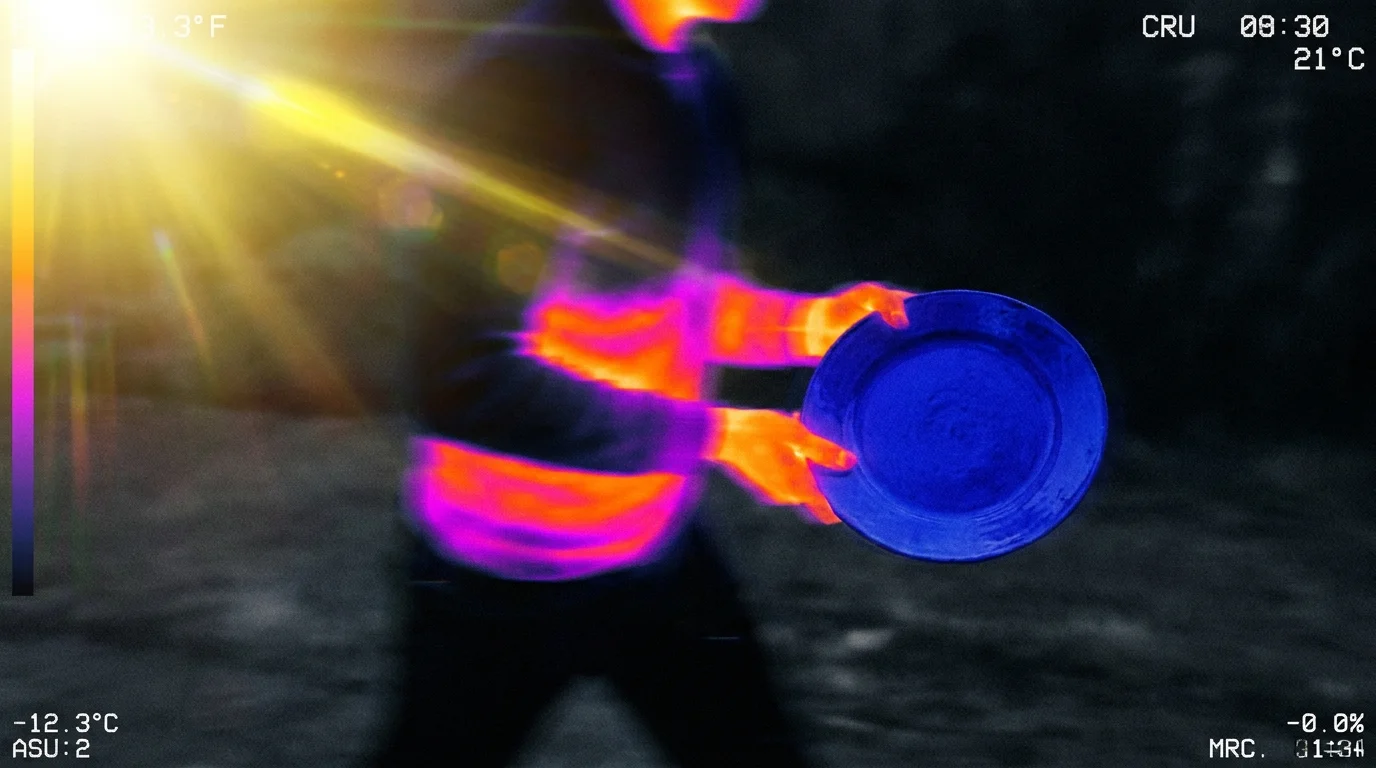
As the sun dips below the horizon, you stand in your quiet kitchen. There is no frantic prep, no desperate clock-watching, and no overwhelming pressure to consume a day’s worth of calories in one breathless sitting. Instead, there is only peace, clarity, and a cold, entirely empty ceramic dinner plate that you no longer need to fear.
"A healthy metabolism requires rhythmic whispers of nourishment, not a single daily shout that frightens the thyroid into hibernation." — Dr. Elena Rostova
| Key Point | Detail | Added Value for the Reader |
|---|---|---|
| Thyroid Down-regulation | Occurs at 4:00 PM daily when no daytime nutrients are present. | Helps you time your meals to prevent metabolic slowdowns. |
| Cortisol Spikes | Caused by twenty-three hours of continuous fasting under work stress. | Protects your sleep quality and prevents midsection fat storage. |
| Thermic Effect of Food | Evenly distributed meals burn more calories during digestion. | Maximizes passive calorie burn without requiring extra workouts. |
FAQ
Will switching from OMAD cause immediate weight gain?
No, provided you reintroduce calories gradually through clean protein and healthy fats. Your body will utilize these nutrients to rebuild metabolic efficiency rather than storing them.Why does OMAD make my hands and feet so cold?
Your thyroid slows down heat production to conserve energy during prolonged fasting. Regular, small daytime meals will quickly restore your core body temperature.How long does it take to repair a stalled metabolism?
Most individuals notice a significant rise in energy, focus, and core temperature within seven to ten days of consistent, distributed nourishment.Is skipping breakfast still acceptable if I eat lunch?
Yes, a compressed eating window of eight hours is far less stressful on the thyroid than the extreme twenty-three-hour restriction of OMAD.Should I track calories during this transition phase?
Focus on food quality and consistent timing rather than strict calorie counting to allow your nervous system to exit survival mode.