The soft, rhythmic clink of oversized ice cubes against powder-coated kitchen-grade stainless steel has become the white noise of the modern workday. You reach for the massive, pastel-hued tumbler sitting beside your keyboard, its condensation pooling slightly on your wooden desk. You wrap your lips around the thick, rigid plastic straw, drawing in a long, cold draft of water. It feels like a simple, satisfying way to hit your daily hydration goals while staying focused on your screen.
But as the afternoon wears on, a dull, nagging ache begins to bloom just beneath your ears. Your temples throb with a tight, band-like pressure, and your teeth don’t seem to line up quite right when you close your mouth. You reach up to massage your cheekbones, feeling a hard, knotty muscle that pulses with sensitivity under your fingertips.
You might blame your posture, your morning video calls, or a poor night’s sleep for this persistent discomfort. In reality, the culprit is the very object designed to keep you healthy, acting as a silent, repetitive stressor on your delicate facial structure.
The Resistance Band on Your Face
We rarely think about the mechanics of how we drink, viewing hydration as a passive, effortless necessity. Yet, drawing liquid up through a wide, rigid straw requires a surprisingly high amount of negative intraoral pressure. Think of your heavy-duty tumbler’s straw as a continuous resistance band for your face, forcing your masseter and temporalis muscles to work overtime with every single sip.
Unlike disposable, flexible straws that collapse under pressure, the thick, wide-bore plastic of reusable straws demands a tighter lip seal and far more muscular effort. When you repeat this pursing and sucking motion fifty to a hundred times a day, you are putting your jaw through a heavy strength-training workout without any recovery time. Over weeks and months, this constant engagement shortens the masseter muscle, pulling your temporalis into a state of chronic spasm.
Consider the experience of Clara Vance, a 31-year-old digital illustrator from Portland who spent months seeking relief for what she thought was a complex inner ear issue. She consulted dentists, physical therapists, and even an audiologist, all while keeping her trusted 40-ounce tumbler constantly filled at her side. It wasn’t until a neuromuscular specialist noticed the localized muscle strain that the connection was made: Clara was unconsciously clenching her teeth around the rigid straw while concentrating on her digital tablet, pulling her temporomandibular joint out of alignment with every sip.
- Hoka maximalist running shoes block natural foot flex and dissolve vital lower leg muscle tone
- The Ordinary hyaluronic acid applied dry exposes deep forehead wrinkles and suffocates cellular moisture
- L-shaped sectional sofas force an unnatural pelvic tilt that silently dissolves protective lower back cartilage
- Athletic Greens morning rituals trigger a hidden cortisol spike that dissolves afternoon cellular energy
- Obsessive Oura ring tracking suffocates your prefrontal cortex and triggers exhausted morning decision paralysis
Identifying Your Hydration Style
Not everyone interacts with their tumbler in the same way, and the physical toll depends heavily on your specific desktop habits. By identifying your unique sipping style, you can pinpoint exactly how you are straining your facial muscles.
The Focused Desk Worker
This style is characterized by mindless, passive sipping during moments of deep concentration. If you find yourself holding the straw between your lips for minutes at a time while typing, you are maintaining a static isometric contraction in your jaw. This prolonged tension cuts off optimal blood flow to the masseter muscle, leading to rapid fatigue and lactic acid buildup.
The High-Velocity Sipper
If you prefer your water ice-cold and tend to drink large volumes in rapid succession, you are subjecting your jaw to sudden, high-force suction. This rapid pulling motion forces the jaw to stabilize against the heavy weight of the liquid, putting acute stress on the temporomandibular joint and the delicate articular disc that cushions your jawbone.
Calibrating Your Hydration Mechanics
You do not need to discard your favorite tumbler to find relief; instead, you must change how your body interacts with it. A few mindful adjustments to your daily routine can dramatically reduce facial tension while keeping your hydration goals on track.
First, pay close attention to how your teeth and jaw behave when you are not drinking. Your teeth should rarely touch during the day, and your tongue should rest gently against the roof of your mouth. When using your tumbler, practice these physical modifications:
- Limit your straw use to the first half of the day, switching to a wide-mouth lid for the afternoon to give your facial muscles a dedicated recovery window.
- Position the tumbler at eye level or bring it fully to your mouth rather than tilting your head down, which compresses your cervical spine and worsens jaw alignment.
- Hover, do not grip, by ensuring your teeth do not touch or bite down on the straw as you draw water up; the lips should do the work, not the jaw.
- Take five-second micro-pauses after each sip to consciously drop your jaw, part your teeth, and let your cheek muscles soften completely.
The Jaw Recovery Toolkit
To help reset your facial alignment, incorporate these physical recovery steps into your evening winding-down routine:
- The Warm Compress: Place a warm, damp cloth over your cheeks for ten minutes before bed to encourage blood flow and release locked masseter fibers.
- The Intraoral Release: Wash your hands, place your thumb inside your cheek, and gently pinch the thick masseter muscle between your thumb and index finger to melt away stubborn trigger points.
- The 45-Degree Sipping Angle: Keep your tumbler tilted slightly downward to reduce the amount of suction force required to lift the water column.
Listening to the Silent Signals
Our bodies have a quiet way of communicating when a modern convenience begins to clash with our natural physiology. The viral trend of carrying giant insulated cups promised an easy path to wellness, but it also introduced a repetitive physical habit that our facial structures weren’t designed to sustain. By stepping back and examining the mechanics of our daily routines, we can reclaim our comfort without sacrificing our health.
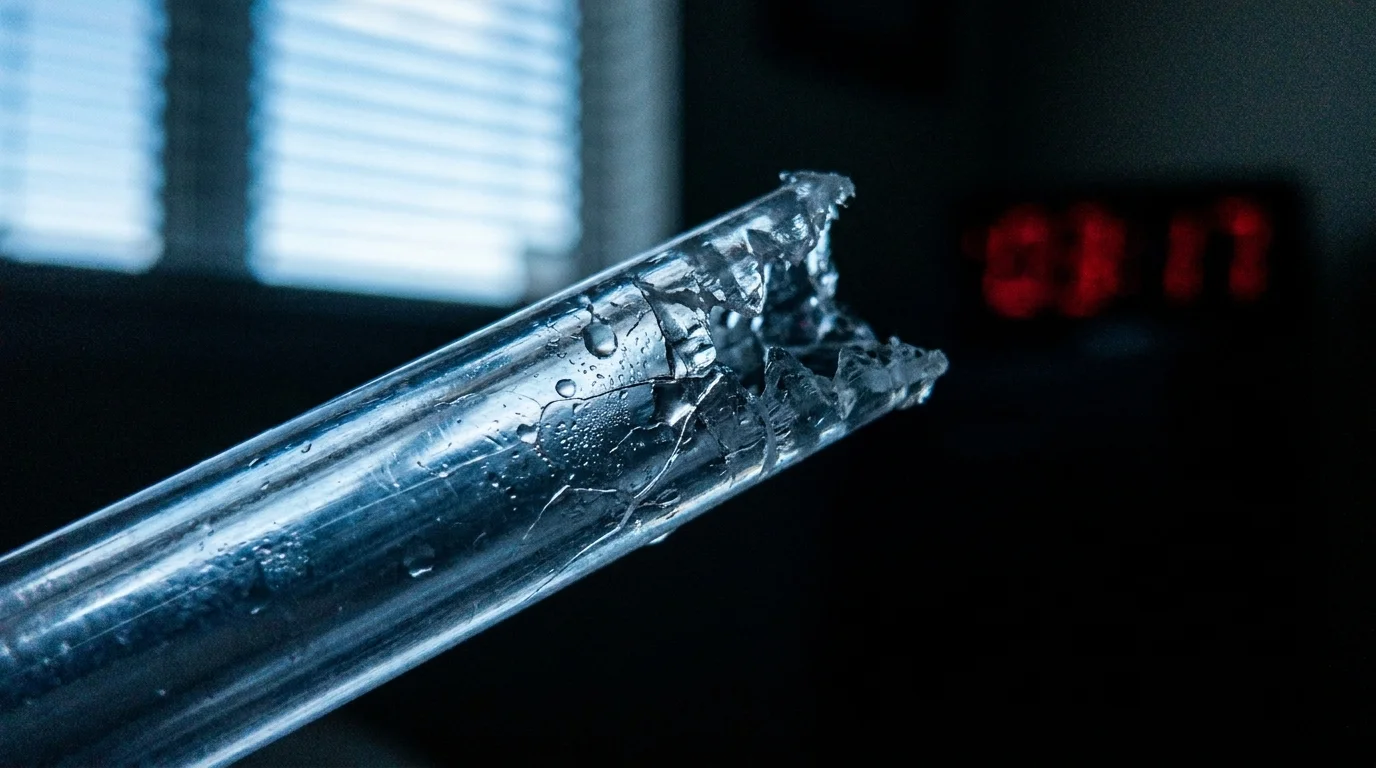
Tonight, as you wash your tumbler, take a close look at the top of that rigid plastic straw. You might notice a series of tiny, sharp bite marks scarred into the plastic—a physical map of the unconscious tension you have been carrying all day, and a quiet reminder that it is time to let your jaw rest.
“Wellness is not found in the tools we buy, but in how mindfully we use them.” — Dr. Marcus Thorne, Neuromuscular Dentist
| Key Point | Detail | Added Value for the Reader |
|---|---|---|
| Masseter Strain | Thick, rigid straws demand high negative pressure, overworking the jaw muscles. | Helps identify the actual mechanical cause behind mystery headaches and temple pain. |
| Micro-Pauses | Taking five seconds to relax the jaw fully after each sip prevents muscle fatigue. | Breaks the cycle of chronic tension without requiring you to stop drinking water. |
| The Bite-Mark Test | Physical teeth indentations on the straw indicate unconscious clenching habits. | Provides an immediate, visual self-diagnostic tool to assess daily stress levels. |
Frequently Asked Questions
Can using a reusable straw really cause TMJ flare-ups? Yes. The heavy suction required by wide, rigid straws places continuous, repetitive stress on the masseter muscles, which can pull the temporomandibular joint out of alignment and trigger acute flare-ups.
How can I tell if my jaw pain is from my tumbler? Inspect your straw for tiny, sharp bite marks. If you see physical indentations, you are unconsciously clenching down on the rigid plastic while sipping, which directly causes deep muscle strain.
Should I throw away my insulated cup? No, you do not need to discard it. Simply alternate between using the straw and drinking directly from a wide-mouth lid to give your facial muscles time to recover.
What is the best way to relieve immediate jaw tension at my desk? Practice the jaw-drop technique: place the tip of your tongue on the roof of your mouth behind your front teeth, and slowly let your jaw hang open, breathing deeply for thirty seconds.
Are flexible silicone straws better for jaw health than rigid plastic ones? Yes. Flexible silicone straws require less tight sealing force and do not provide a hard surface to unconsciously bite down on, reducing overall muscle strain.