The hum of the commercial compressor vibrates through the soles of your sneakers as you stand before the gym cafe display. Your skin still feels warm, a light sheen of sweat cooling in the air-conditioned draft. You reach for the clear plastic cup, misted with condensation, admiring the clean layers of white cream, dark berries, and golden granola. It looks like the absolute picture of clean living.
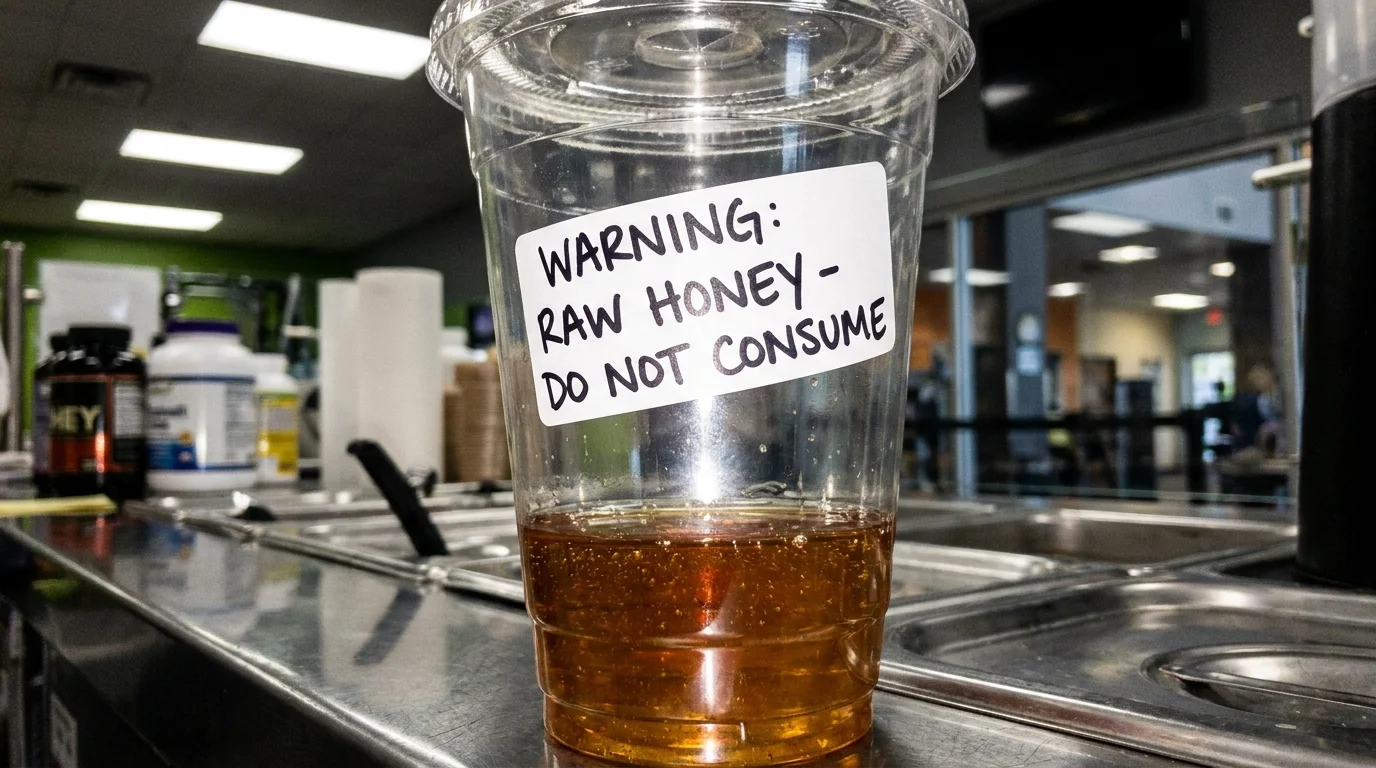
But as you lift it, you notice a sticky pool of amber honey settling heavily at the bottom of the cup. It is thick, slow-moving, and seemingly innocent. You tell yourself you earned this. The label boasts twenty grams of protein, a promise that feels like a green light after forty-five minutes of deliberate physical effort.
You peel back the foil lid, expecting nourishment. Instead, you are about to trigger a metabolic response that quietens the fat-burning engine you just spent the last hour priming. The system expects recovery raw materials, but you are delivering a biochemical flood of quick-release sugars.
The Glycemic Bait-and-Switch
We have been conditioned to view Greek yogurt as an untouchable health food, a pure protein source that repairs muscle fibers on contact. When you add the word “parfait,” however, the metabolic math changes entirely. Think of your post-workout body as a warm hearth. You want to feed it dry hardwood that burns slowly and steadily. Instead, pouring a commercial honey drizzle and sweetened berry compote onto your tongue is like throwing dry grass onto the embers—a sudden, violent flare-up that burns out in minutes and smothers the coals.
The issue lies in how your pancreas reads these refined sugars during your recovery window. While your muscles are indeed hungry for amino acids, the massive influx of fructose and glucose from flavored yogurt bases and heavy syrups forces a sharp insulin spike. This hormonal surge tells your cells to stop burning stored fat for fuel and start storing incoming energy. You effectively lock the fat-cell doors right when they were widest open.
Consider the work of Marcus Vance, a forty-four-year-old sports nutritionist who advises collegiate athletes in Chicago. He noticed a recurring pattern of dedicated clients who trained four days a week but failed to lose a single pound of body fat. When he reviewed their food logs, the culprit was almost always the post-exercise “reward grab” at the facility lobby. “They were burning three hundred calories on the turf,” Vance explains, “and then immediately consuming four hundred calories of liquid sugar disguised as active culture dairy.”
- Reformer Pilates classes every day secretly trap stubborn water weight around your waistline
- OMAD fasting routines force your metabolism to stop burning fat completely
- Agave sweetened smoothies guarantee massive afternoon sugar crashes and intense cravings
- Post meal walking routines accelerate fat loss without any gym time
- Gentle parenting scripts actively drain your immune system and ruin sleep
Tailoring Your Post-Workout Recovery
Not everyone recovers from exercise the same way. Your post-workout nutrition needs to match the specific type of stress you just put your skeletal system through. Let us look at how different training styles require different refueling strategies to protect your hard-won calorie deficit.
For the Strength and Resistance Builder
If your session involved heavy lifting or resistance bands, your muscles are primed to absorb nutrients. However, you do not need a massive sugar rush to facilitate protein synthesis. Focus on plain, unsweetened Greek yogurt and add your own raw walnuts or hemp seeds. This provides the necessary amino acids without triggering the severe insulin spike that stalls fat oxidation.
For the Steady-State Cardio Enthusiast
If you spent your morning on the treadmill or elliptical, your glycogen depletion is relatively low compared to your overall caloric expenditure. A high-sugar parfait will instantly wipe out the modest energy deficit you just created. For this state, swap the granola for raw sliced almonds and use fresh, whole blackberries instead of the stewed fruit syrups found in commercial cups.
For the High-Intensity Interval Trainer
HIIT sessions create a high level of systemic stress. Your body needs to calm its nervous system down, not struggle with a sudden spike in blood glucose. Keep your recovery fat-conscious and clean. A simple serving of plain low-fat Greek yogurt with a pinch of real cinnamon is all your liver needs to begin the repair process without disrupting your metabolic equilibrium and fat-burning adaptation.
Rebuilding the Post-Workout Bowl
Fixing this routine does not mean eating bland, chalky chalk. It requires a mindful shift toward clean, whole-ingredient assembly that honors your physical work. You can create a highly satisfying, metabolically friendly bowl at home in under two minutes.
Start with a base of organic, plain Greek yogurt. Look for brands that list only milk and live cultures on the back label. Avoid anything that says “fruit on the bottom” or “vanilla flavored,” as these are loaded with cane sugar.
- The Base: One cup of plain, unsweetened 2% Greek yogurt.
- The Crunch: One tablespoon of raw pumpkin seeds or unsweetened organic coconut flakes.
- The Sweetener: A small handful of fresh, whole organic raspberries (which contain minimal natural sugar).
- The Spice: A light dusting of ground Ceylon cinnamon to support insulin sensitivity.
Tactical Recovery Toolkit:
– Yogurt Base: Plain, maximum 4g of sugar per serving
– Total Carbohydrates: Under 12g per post-workout meal
– Protein Target: Minimum 15-20g
– Timing: Consume within 45 minutes of completing your workout
Reclaiming Your Metabolic Autonomy
Ultimately, recognizing the difference between a real whole food and a highly processed gym-lobby confection is about reclaiming control over your physical output. You do not need to reward a hard training session with a sugary dessert disguised as health food. Your body is highly efficient; when you stop flooding it with unnecessary sugars, it learns to rely on its own fat stores for steady, reliable energy. By making this simple swap, you ensure that your morning sweat session actually delivers the long-term vitality you are working so hard to achieve.
“True recovery is about quiet replenishment, not a celebration in your bloodstream.” — Marcus Vance
| Key Point | Detail | Added Value for the Reader |
|---|---|---|
| Commercial Parfaits | Contain up to 45g of sugar and processed honey syrups. | Stops fat-burning processes instantly due to insulin spikes. |
| Home-Prep Yogurt | Plain yogurt base with hand-selected raw seeds and low-glycemic berries. | Sustains muscle repair while keeping you in a calorie deficit. |
| Metabolic Window | Your body needs protein and healthy fats, not rapid-fire fructose. | Protects your thyroid and adrenal health from sugar crashes. |
Frequently Asked Questions
Is honey bad after a workout? No, but commercial honey drizzles are highly processed, high-fructose syrups that overload the liver when your body is trying to recover.
Can I use vanilla Greek yogurt instead of plain? Vanilla-flavored yogurts often contain as much sugar as a glass of soda. Always opt for plain and add cinnamon or vanilla extract yourself.
Will stopping these parfaits help with stubborn belly fat? Yes. Reducing post-workout insulin spikes allows your body to continue burning fat for hours after your exercise session ends.
What is the best alternative crunch to granola? Raw pumpkin seeds, sliced almonds, or cacao nibs provide excellent texture without the baked-in sugars of traditional granola.
Should I eat fat-free Greek yogurt? A little natural fat (like 2%) helps slow down digestion, keeping you fuller for longer and preventing subsequent midday cravings.