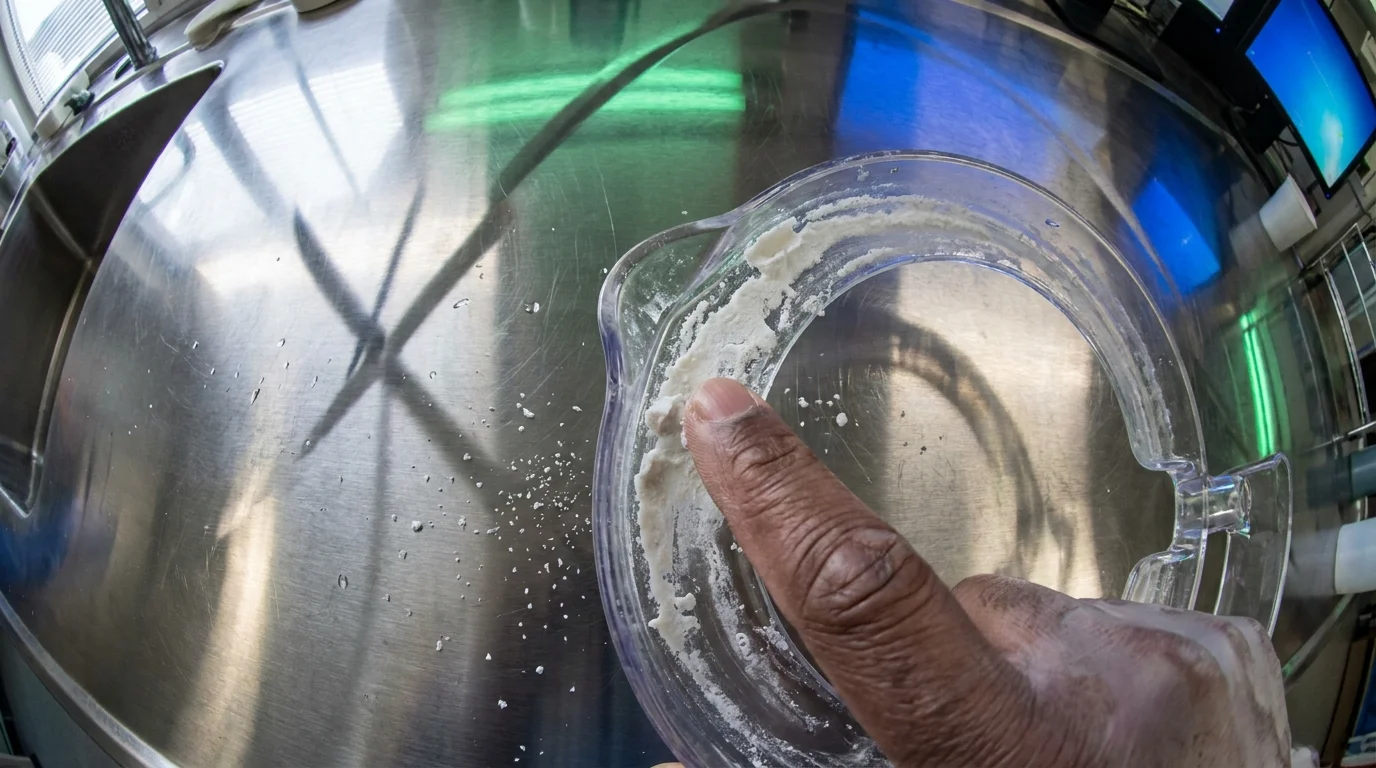
The kitchen counter catches the pale morning light as water trickles steadily through the cylindrical carbon core. You listen to the rhythmic drip against clear plastic, watching condensation bead along the pitcher walls. When you lift it to pour your third tall glass of the morning, a faint ring of chalky white mineral residue clings to the dry upper lip—a quiet visual reminder of what standard filtration leaves behind or strips away.
You drink with virtuous intent. By early afternoon, you have downed three 32-ounce tumblers, checking off an invisible wellness checklist that promised relentless focus and clean energy. Yet as you type out an email, your fingers develop an unexpected, hollow tremor. Your calves feel strangely heavy, almost leaden, as if you just climbed five flights of stairs in damp boots.
This is the silent paradox of modern office hydration. You feel physically waterlogged, your stomach sloshing gently with every brisk walk down the hallway, yet your mouth remains strangely dry. The instinct is always to refill the pitcher and swallow another pint, unaware that this reflexive gulping is pulling the rug out from under your cellular machinery.
The Osmotic Siphon: Why Pure Water Leaves Cells Dry
Your physiology operates on electrical currents dictated by an exact balance of water and dissolved minerals. When you pour large volumes of carbon-filtered, demineralized tap fluid into your system on an empty stomach, your digestive tract encounters a sudden wave of hypoosmotic liquid. Instead of gently bathing your tissues, this mineral-void fluid acts like a sponge in reverse, pulling baseline sodium, potassium, and magnesium out of your bloodstream to balance the sudden influx.
Your kidneys immediately register this dilution as an emergency, kicking into overdrive to flush the excess volume before your blood sodium plummets dangerously low. In doing so, they wash away the exact spark plugs required for muscle contraction and neuromuscular signaling. You end up in a state of dilutional cellular dehydration, trembling at your desk while holding a full water bottle.
The Clinical Reality of the Heavy Hydrator
Consider Elena Brooks, a 38-year-old architectural draftsperson from Denver who spent months battling mysterious midday limb weakness and sudden heart flutters. Elena followed standard lifestyle advice religiously, keeping an 80-ounce clear pitcher beside her drafting table and refilling it twice before 3:00 PM. Her routine blood panels looked pristine, but her red blood cells were essentially gasping for electrical charge amid an endless sea of pure water.
- Vornado oscillating fans strip nasal moisture trapping dry crusty morning sinus congestion
- Cod liver oil spoonfuls resurfaced as proven protection against stiff creaky morning knees
- Avocado oil sprays on searing hot pans release stinging fumes sparking sinus pressure
- Fresh ginger slices chewed at sunrise switch on laser focus faster than espresso
- Dried mango slices eaten late trigger intense nocturnal teeth grinding and temple stiffness
When a functional practitioner finally checked her fractional electrolyte excretion, the mystery evaporated. Her aggressive, unmineralized intake was stripping her baseline extracellular sodium pool faster than her meals could replace it. Once she stepped away from the constant chugging cycle, her shaky hands and heavy limbs vanished within forty-eight hours.
Calibrating Intake: Identifying Your Cellular Dilution Profile
Not every body processes filtered fluid at the same rate. Understanding your daily metabolic demands helps you stop washing away critical trace elements before they reach your muscles.
For the Desk-Bound Professional: When you sit in climate-controlled air with minimal sweat output, your fluid turnover is slow. Gulping massive volumes of stripped pitcher water floods your kidneys without purpose. You need slow sips paired with natural food-bound moisture rather than hourly pints that flush your electrical reserves.
For the Fasted Morning Achiever: If you skip breakfast or delay your first meal until noon, chugging cold filtered water creates an instant osmotic vacuum. Without dietary salt entering your gut, that morning pitcher water directly siphons your existing vascular sodium, leaving you with cold fingertips and shaky knees by 11:00 AM.
For the Afternoon Fitness Enthusiast: Downing a half-gallon of carbon-filtered water right before a workout dilutes your circulating potassium pool. When your muscles attempt to contract under load, they misfire, creating rapid fatigue, twitching eyelids, and rubbery legs long before your cardiovascular limits are reached.
Re-Mineralizing Your Routine Without Costly Gadgets
Breaking the dilution cycle does not require expensive designer water or complex laboratory additives. It demands a deliberate, mindful shift in how you introduce fluids into your circulation.
Begin by slowing down your rate of consumption. Instead of draining 16 ounces in a single breath, take small, rhythmic sips that give your digestive lining time to equalize osmotic pressure.
- Add a Solar Pinch: Introduce a minuscule pinch of coarse, unrefined gray sea salt or Himalayan pink salt to every 32-ounce pitcher of filtered water. The water should taste soft and round, never salty.
- Anchor with Citrus: Squeeze a quarter wedge of fresh lemon or lime into your morning glass. The natural organic acids and potassium traces bind with the water molecules for gentle cellular uptake.
- Eat Your Fluids: Lean heavily on mineral-rich whole foods like sliced cucumbers, celery ribs, and crisp radishes during your work hours to absorb water naturally wrapped in plant fiber and electrolytes.
- Observe the Thirst Signal: Stop drinking on a fixed clock. Sip only when your throat genuinely asks for moisture, rather than using your tumbler as a fidget tool during long calls.
Restoring True Internal Harmony
True energy does not stem from treating your internal organs like an open plumbing pipe. It lives in the delicate, quiet tension of balanced electrical fluids nourishing every nerve ending and muscle strand. When you stop washing away your mineral foundation with mindless pitcher refills, your midday crashes yield to a steady, calm physical stamina that carries you through the evening effortlessly.
Water is an electrical conductor; stripped of its natural minerals, it becomes an electrical thief within the human body.
| Hydration Habit | Physiological Impact | Added Value for the Reader |
|---|---|---|
| Rapid Chugging of Pure Filtered Water | Dilutes blood sodium, triggering rapid kidney flushing and mineral loss | Eliminates unexplained limb tremors and sudden midday brain fog |
| Pinch of Unrefined Salt in Filtered Pitcher | Restores baseline trace electrolytes and softens osmotic water absorption | Sustains steady cellular hydration without frequent bathroom trips |
| Food-Bound Water (Cucumbers, Citrus) | Slow-release fluid delivery bonded with natural mineral structures | Provides stable neuromuscular firing and eliminates shaky fatigue |
Frequently Asked Questions
Why does filtered water cause shaky limbs if filtration is supposed to be healthy?
Standard carbon filters remove chlorine and sediment, but when pure water is chugged in excessive volumes, it rapidly dilutes serum sodium and potassium. This temporary drop in electrolytes interferes with normal neuromuscular signaling, causing muscles to feel weak, shaky, or heavy.How much mineral-adjusted water should I drink per day?
Rather than chasing rigid gallon goals, drink to genuine thirst. For most sedentary adults in temperate climates, 60 to 80 ounces of mineral-balanced fluid spread evenly throughout the day provides optimal hydration without cellular flushing.Can I just take an electrolyte powder instead of salting my pitcher?
Commercial electrolyte powders work well, but many contain artificial sweeteners, citric acid, and excessive flavorings that irritate the gut lining. A tiny pinch of natural unrefined salt and a squeeze of fresh lemon delivers the necessary ionic balance cleanly and affordably.Will adding a pinch of salt to my water raise my blood pressure?
A microscopic pinch across an entire quart of water adds only a tiny trace of sodium, which helps balance the osmotic draw of the water. If you have severe clinical hypertension or renal restrictions, consult your physician, but for healthy adults, trace minerals prevent dangerous dilution.How quickly will my midday fatigue resolve after changing habits?
Most people notice a dramatic reduction in limb tremors, afternoon headaches, and heavy-leg fatigue within twenty-four to forty-eight hours of slowing down their intake and re-introducing trace minerals to their filtered water.