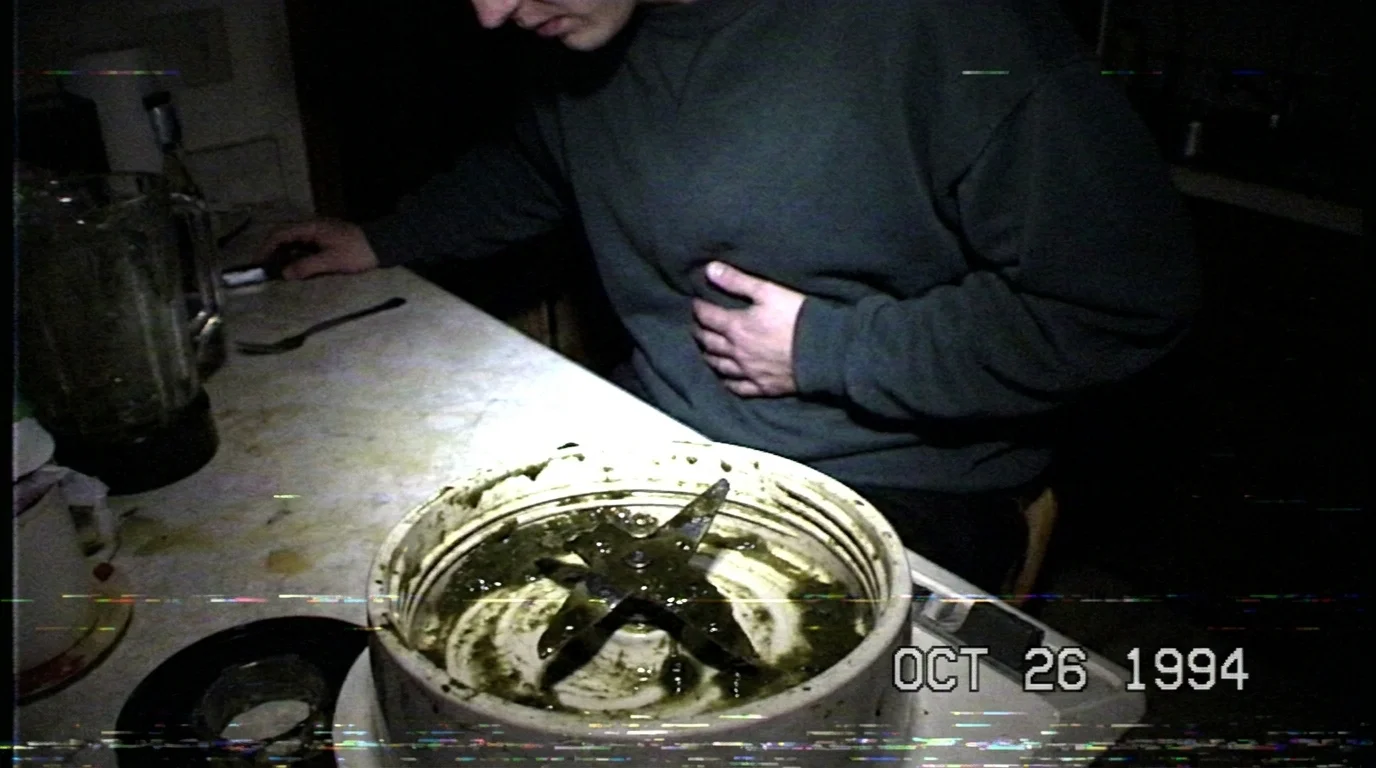
The morning starts with the high-pitched drone of your countertop motor pulverizing frozen fruit and plant milk. As the blades slow, you scrape down the canister, watching a dark emerald green sludge clinging to blender blades with stubborn persistence. That deep pigment looks like distilled vitality, an undeniable sign that you are treating your body with the utmost care.
You drink the thick mixture on your morning commute, trusting the bold organic seal stamped on the kraft-paper pouch. Yet less than an hour later, a sharp clenching sensation locks up your upper abdomen, turning your morning focus into a quiet, painful struggle against unexpected intestinal cramping.
Standard wellness advice tells you that any sudden post-smoothie discomfort is just your liver dumping toxins or your digestion adapting to dense superfoods. The reality inside industrial cultivation basins tells a much more mechanical story about how simple aquatic organisms interact with unmonitored environments.
The Open-Air Sponge: Why Water Purity Dictates Gut Peace
Spirulina is not an herb or a leafy green; it is a microscopic blue-green cyanobacterium that thrives by pulling nutrients directly from its surrounding water. Because it lacks a thick cellulose wall, it operates like a biological hyper-sponge, absorbing dissolved mineral salts from the water column within seconds of exposure.
When cultivation facilities operate large outdoor raceway ponds near agricultural or industrial corridors, ambient dust and local ground runoff settle across the water surface. The spirulina binds greedily to heavy metals like lead, mercury, and cadmium, alongside accidental trace blooms of wild microcystins, long before the harvest nets skim the surface. What settles into your glass is a dense bio-accumulator capable of irritating the sensitive mucosal lining of your stomach, setting off violent smooth-muscle spasms.
Treating green supplements as inert food powders misses the core truth of cyanobacteria biology. When you ingest dried outdoor-grown algae, your digestive enzymes break down the delicate cell walls, releasing bound inorganic metals and trace algal toxins directly against your gastric wall in one concentrated wave.
- High-heat refined coconut oil releases aerosolized smoke particulates triggering instant sinus headaches
- Reverse osmosis countertop water drains essential blood electrolytes deepening brutal afternoon exhaustion
- Late-night salted pretzel snacking forces intense nocturnal clenching locking stiff throbbing temples
- Dyson Pure Hot+Cool heaters blast parched dry airflow derailing deep restorative sleep
- Nordic Naturals fish oil softgels spark stubborn evening acid reflux behind rancid oil oxidation
The Hidden Field Realities of Microalgae Farming
Dr. Maya Lin, an agricultural biochemist based in Corvallis, Oregon, has spent over a decade testing commercial green powders sourced across three continents. Her laboratory findings often reveal a wide disconnect between marketing claims and baseline batch purity.
“Shoppers assume that an organic label guarantees a sterile, pristine greenhouse environment,” Lin explains. “In reality, vast open-pond systems are completely exposed to regional rainfall patterns, industrial groundwater drift, and wild airborne cyanobacteria. The consumer’s stomach becomes the final filter for contaminants that basic organic certifications never mandate testing for.”
Identifying Your Algal Vulnerability Profile
Not every body handles bio-accumulative micro-compounds the same way. The degree of stomach distress you experience depends heavily on your consumption timing, your individual mucosal resilience, and how you prepare your shake.
The Fasted Morning Drinker: Consuming dense cyanobacteria on an empty stomach allows released heavy metal traces and phycocyanin compounds to contact the unshielded stomach lining directly, sparking immediate autonomic cramping.
The Multi-Powder Stacker: Combining spirulina with chlorella, matcha, and raw protein powders multiplies the cumulative mineral burden, overwhelming the gastric barrier through sheer compound density.
The Reactive Digestive System: Those with baseline intestinal sensitivity or histamine issues react strongly to even sub-clinical trace levels of microcystin toxins, suffering rapid cramping, low-grade nausea, and sudden bowel transit.
Sourcing and Sifting: A Protocol for Safe Algal Nutrition
You do not need to discard superfoods entirely to protect your stomach. Navigating microalgae safely simply requires moving away from casual purchases and applying strict vetting to your pantry.
- Verify Closed-System Cultivation: Seek out brands that grow their algae in sealed glass photobioreactors rather than open outdoor raceway ponds to eliminate ambient dust contamination.
- Demand Third-Party Heavy Metal Panels: Never buy a powder unless the manufacturer provides a publicly accessible Certificate of Analysis (COA) detailing batch-specific lead, arsenic, cadmium, and microcystin counts.
- Buffer With Dietary Lipids: Always blend powders alongside healthy fats like avocado, whole coconut milk, or nut butter to cushion your gastric lining during digestion.
- Perform the Glass Clarity Test: Dissolve half a teaspoon in warm water; pure spirulina stays suspended evenly, while metal-heavy or adulterated batches rapidly drop gritty, dark sediment to the bottom.
Tactical Verification Toolkit
Keep these exact baseline safety thresholds in mind when evaluating your next bag of green superfood powder:
- Lead Threshold: Must test strictly below 0.5 parts per million (ppm).
- Cadmium Limit: Non-detectable or under 0.2 ppm.
- Microcystin Screen: Fully certified negative for wild blue-green algal toxins.
- Ideal Cultivation Method: Photobioreactor (PBR) or inland mountain spring aquifer systems.
Reclaiming True Transparency on Your Kitchen Counter
True vitality is never built on blind faith in bold packaging. When you take the time to understand the physical realities of aquatic farming, you shift from being an unsuspecting consumer to an informed caretaker of your internal health. Real nourishment should leave your body feeling centered and peaceful, never doubled over on your morning commute.
“When we demand chemical transparency from our green powders, our morning rituals finally deliver real health instead of hidden irritation.”
| Key Point | Detail | Added Value for the Reader |
|---|---|---|
| Cultivation Method | Open raceway ponds vs. closed photobioreactors. | Prevents accidental ingestion of airborne industrial particulates. |
| Toxin Mechanism | Microcystin and heavy metal accumulation at the mucosal wall. | Explains the precise physical cause of sudden post-smoothie stomach spasms. |
| Safety Screening | Batch-level COA verification for lead, cadmium, and arsenic. | Allows you to vet supplement bags with laboratory certainty. |
Frequently Asked Questions
Can I eliminate toxins by boiling or cooking spirulina powder?
No, heavy metals and microcystins are heat-stable and do not degrade under normal cooking or blending temperatures.Why does my stomach hurt even when buying USDA Certified Organic algae?
Standard organic certifications restrict synthetic pesticides and fertilizers but do not require rigorous screening for environmental heavy metals or naturally occurring water toxins.How long after drinking a contaminated smoothie do stomach spasms appear?
Spasms typically occur between 30 and 75 minutes post-ingestion as gastric acids break the cell walls and release bio-accumulated compounds directly onto your mucosal lining.Is chlorella safer than spirulina regarding heavy metal absorption?
Chlorella has a tougher cell wall that requires mechanical cracking, but it carries a similar bio-accumulation risk if grown in open, unfiltered waterways.What should I do if I experience severe cramping after my green smoothie?
Discontinue the supplement immediately, drink plenty of mineralized water with electrolytes, and consume a gentle, binding food like white rice or cooked oatmeal to soothe the gastric barrier.