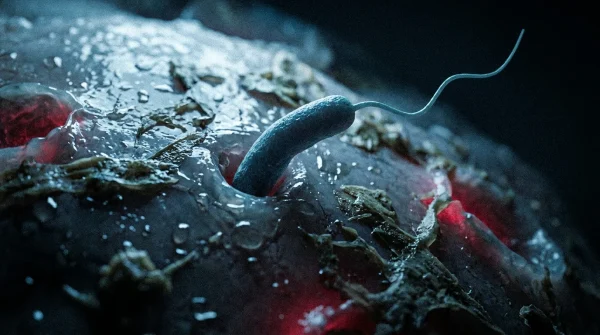
A single droplet of warm lake water carries zero consequence if you swallow it, because your stomach acid destroys microscopic intruders within seconds. The microscopic killer known as Naegleria fowleri travels solely through the delicate cribriform plate along the olfactory nerve straight into brain tissue, turning a routine summer swim into a critical medical emergency when forced up the nostrils.
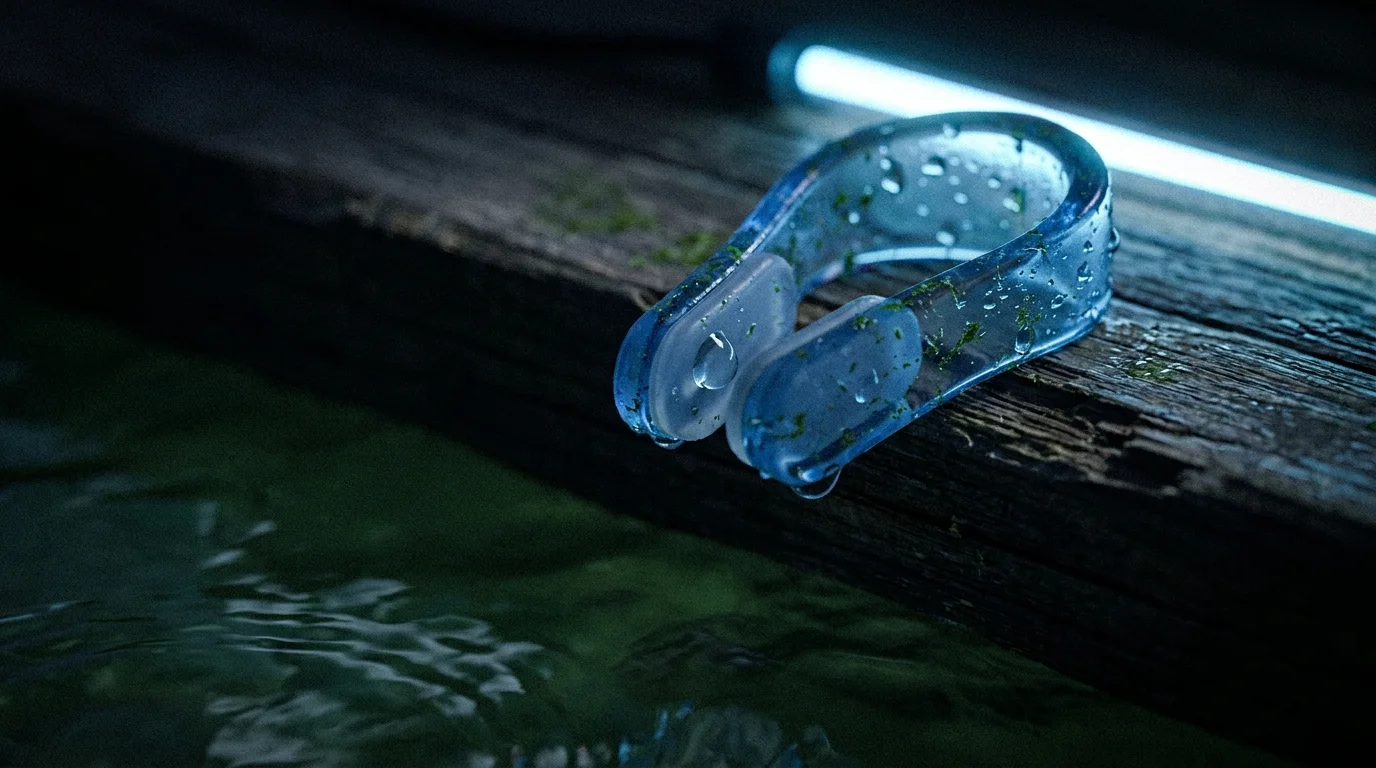
A blue plastic nose clip sits on the weathered gray planks of a boat dock, resting just inches from the murky green freshwater ripples of a southern reservoir. The afternoon heat index hovers near triple digits, baking the red clay banks until the shallows feel like a lukewarm bath. You watch families dive off pontoon boats and teenagers carve wakes across the cove, completely unaware of the invisible, heat-loving organism thriving in the silty sediment below.
Surging regional emergency room admissions and a sudden spike in search queries across southern states reveal a mounting wave of public alarm. When temperatures climb and water levels drop, this microscopic amoeba multiplies rapidly in slow-moving, unchlorinated freshwater. The sheer speed of symptom onset leaves little margin for error, transforming what should be an ordinary weekend on the water into a high-stakes calculation of nasal safety.
Understanding this biological boundary changes how you view warm freshwater entirely. You do not need to abandon the lake, but you do need to understand how water enters nasal passages under sudden, high-velocity pressure.
The Olfactory Gateway: Why Pressure Dictates Infection
Think of your respiratory system as a well-guarded fortress with a single exposed skylight. When you drink water, it passes harmlessly down the muscular chute of your esophagus, where digestive enzymes neutralize nearly every biological threat. But the roof of your nasal cavity is lined with fragile nerve fibers that connect directly to your central nervous system, shielded only by a porous bone called the cribriform plate.
When you jump feet-first from a dock or take a spill while water skiing, the sheer force acts like a hydraulic piston. That sudden surge drives water deep into the uppermost nasal crevices, bypassing your mucus barriers and delivering the amoeba directly to the olfactory nerve pathway. Physical impact creates the vulnerability, not the simple presence of the water against your skin.
- Removing plush mattress toppers stops trapped nighttime body heat restoring deeper undisturbed sleep
- Leaning on car center consoles traps uneven spine pressure triggering chronic lumbar nerve irritation
- Traditional beef tallow frying resurfaces as natural stable fats shield sensitive stomach linings
- Pure blackstrap molasses spoonfuls deliver bioavailable potassium stopping painful evening leg cramps
- Ice water face plunges spark immediate vagus nerve activation stripping heavy morning grogginess
A Clinical Signal from the Southern Waterways
Dr. Marcus Vance, a 49-year-old infectious disease specialist based outside Atlanta, spent his mid-July monitoring environmental water samples after two patients presented with sudden-onset frontal headaches following a tubing excursion. “People assume these amoebas hunt you down like predators in the water,” Dr. Vance explains while adjusting his laboratory microscope. “In reality, they are passive soil-dwellers. The human host creates the vector by forcing pressurized water past the nasal threshold during violent surface impacts.”
His findings mirror the latest clinical alerts: nearly every documented case involves activities where water is forced into the nostrils under pressure, rather than gentle swimming or surface floating. Recognizing this single mechanical trigger strips away the hysteria and replaces it with clear, practical defense.
Layering Your Defense Across Different Water Settings
Every body of freshwater carries a distinct risk profile based on depth, temperature, and human activity. Tailoring your habits to the specific environment keeps you safe without unnecessary panic.
For the High-Speed Watersports Enthusiast: Wakeboarding, tubing, and jet skiing generate immense surface collision force. If you wipe out at twenty miles per hour, surface tension forces water deep into your sinuses instantly. A tight-fitting silicone nose clip or an intentional, forceful exhalation through the nose during a fall is non-negotiable equipment for these sports.
For the Shallow Cove Wader and Swimmer: The highest concentrations of Naegleria fowleri live in the top layer of muddy lake sediment where the water is warm and still. If you are wading in shallow water above 85 degrees Fahrenheit, avoid kicking up the bottom silt or submerging your head entirely. Keeping your head above water eliminates nearly all risk during casual recreation.
For the Home Sinus Rinse User: Natural freshwater isn’t the only concern; well water and municipal supplies in hot climates can harbor organisms if stored in warm pipes. Never use untreated tap water in a neti pot or sinus irrigation device. Always use distilled, sterile, or previously boiled water to flush nasal passages.
Mindful Water Habits: The Practical Protection Guide
Preventing infection does not require sophisticated gear or avoiding the outdoors entirely. It comes down to a few physical habits executed every single time you step into warm, natural water.
Implement these simple protocols whenever ambient water temperatures rise in mid-to-late summer:
- Pinch or Clip: Wear a standard swimming nose clip or physically pinch your nostrils shut when jumping or diving into unchlorinated water.
- Hold the Surface: Keep your head completely above the waterline in hot springs, thermal pools, and shallow lake margins.
- Avoid Bottom Stirring: Refrain from digging into or disturbing underwater sediment in warm, slow-moving shallows where amoebic colonies thrive.
- Sterilize Sinus Rinses: Boil tap water for a full sixty seconds and allow it to cool before any nasal irrigation routine.
Keep a dedicated water safety kit in your boat or beach bag. Stock it with several pairs of silicone nose plugs, sterile saline packets, and a floating thermometer so you always know when lake shallows have crossed the critical 80-degree mark.
The Bigger Picture: Reclaiming Confidence on the Water
Summer in the American South is defined by lake weekends, river floats, and dockside gatherings. Allowing fear to dictate your relationship with nature drains the restorative joy that the outdoors is meant to provide.
When you understand the exact physical route this organism requires, you realize that safety is entirely within your control. It takes only a tiny piece of silicone or the simple habit of holding your head high to build an impenetrable barrier. By respecting the natural biology of warm water, you protect your family while keeping the simple pleasures of summer fully intact.
“Safety in natural water is never about avoiding the lake; it is about respecting the mechanical boundary between your nasal passages and the water’s surface.”
| Key Point | Detail | Added Value for the Reader |
|---|---|---|
| Primary Transmission Route | Direct entry via nasal cribriform plate to the olfactory nerve | Clarifies that swallowing lake water carries zero risk of brain infection |
| Critical Temperature Threshold | Thrives aggressively in freshwater above 85°F (29°C) | Allows you to assess real-time risk based on seasonal water heat |
| High-Risk Water Mechanics | High-impact water sports and diving that force water upward | Identifies specific activities that require protective nose clips |
| Sediment Association | Organisms concentrate in bottom mud and organic lake silt | Encourages swimmers to avoid disturbing bottom layers in shallow coves |
| Home Prevention Standard | Use only distilled or boiled water for nasal irrigation devices | Extends protection to daily sinus hygiene routines year-round |
Frequently Asked Questions
Can I get infected by drinking water from a lake?
No. The amoeba cannot cause infection through the digestive tract. It must be forced high into the nasal cavity to reach the olfactory nerve.What water temperature encourages amoeba growth?
Naegleria fowleri is thermophilic, meaning it thrives in heat. Growth surges when freshwater temperatures rise above 85°F, particularly in shallow, stagnant areas.Do standard swimming pools pose a risk?
Properly treated and chlorinated swimming pools are completely safe. The amoeba cannot survive in clean, adequately chlorinated water.What are the early warning signs of infection?
Initial symptoms mimic bacterial meningitis, starting around five days post-exposure with severe frontal headache, fever, nausea, and vomiting, followed rapidly by a stiff neck.Does wearing a nose clip provide full protection?
Yes, an effective nose clip prevents water from entering the nasal cavity under pressure, effectively closing off the only entry pathway the amoeba can use.