The dull glow of your dual monitors hums against the late afternoon quiet, accompanied by the persistent chime of urgent inbox alerts. As the clock ticks down toward a five o’clock delivery, an insidious burning ache blooms directly between your shoulder blades, tempting you to roll your back or twist in your office chair for fleeting relief.
You likely assume your upper back is simply exhausted from poor sitting habits. In truth, subconscious protective bracing shortens the small chest muscles below the collarbone, pulling shoulder blades forward into a chronic defensive curl. Your back muscles are not failing; they are screaming under the relentless mechanical strain of playing tug-of-war against a shortened anterior chest.
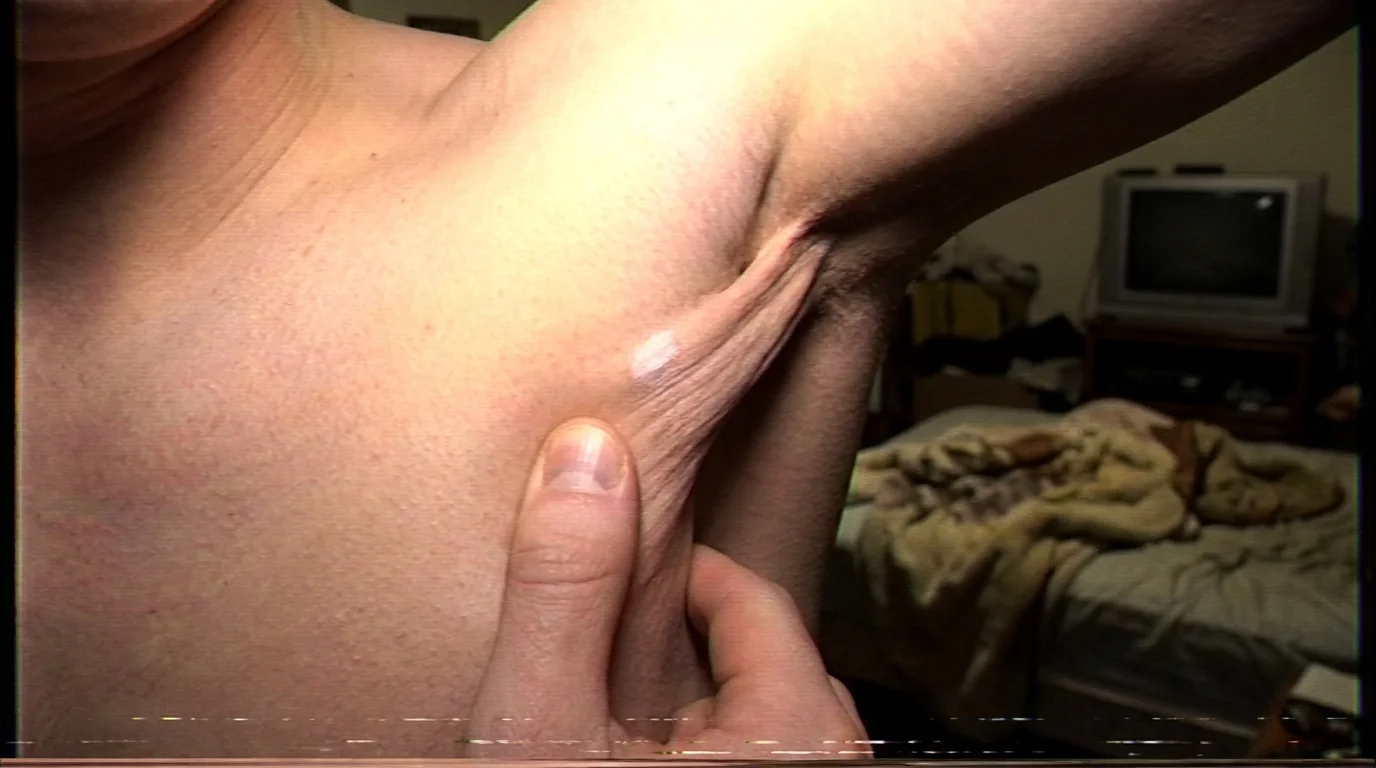
Reach your fingers just inward from the shoulder joint, nestled in the soft pocket right near the front of your armpit. Beneath the skin lies a taut fibrous band of muscle pressed firmly against your upper ribs—tender, ropey, and locked in a silent somatic grip that physical therapy protocols often overlook when treating mid-back distress.
When psychological deadline pressure surges, the human nervous system does not differentiate between an aggressive predator and a mounting workload. It defaults to the primal crouch of self-preservation, quietly tethering your physical frame into an enduring posture of survival.
The Puppet Strings on Your Ribcage
Imagine the rigging lines of a canvas tent drawn excessively tight on one side. The stakes on the opposing side will groan, loosen, and ache under the constant pull, yet the defect does not originate in the back stakes—it lives entirely in the over-tensioned front ropes. This is precisely how the pectoralis minor dictates your upper body mechanics.
Originating from the third, fourth, and fifth ribs and inserting directly into the coracoid process of your scapula, this small, fan-shaped tissue acts as a direct steering cable for your shoulder blade. When mental friction triggers unconscious somatic muscle guarding, this anterior tissue contracts to shield your vital organs, dragging the entire shoulder girdle forward and down.
Because the sensation of burning sits squarely along your thoracic spine and rhomboids, traditional intuition urges you to stretch, rub, or strengthen your upper back. Yet pulling on an already overstretched, exhausted muscle group only deepens the neurological distress. True structural equilibrium returns only when you convince the front of your ribcage that the danger has passed.
- Childcare immunization mandate updates force pediatric clinics to overhaul standard autumn shot schedules
- Healthy food ingredient label searches expose hidden maltodextrin thickeners triggering sudden glucose spikes
- Brain-eating amoeba freshwater exposures demand emergency nasal safety warnings across southern states
- Removing plush mattress toppers stops trapped nighttime body heat restoring deeper undisturbed sleep
- Leaning on car center consoles traps uneven spine pressure triggering chronic lumbar nerve irritation
The Hidden Cost of Deadline Rigidity
Elena Ramos, a 38-year-old architectural draftsman from Chicago, spent nearly three years cycling through ergonomic chairs, foam rollers, and intensive back-strengthening regimens to resolve what her doctors called chronic postural fatigue. Every afternoon at her drafting tablet brought the same searing heat beneath her left shoulder blade, invariably intensifying whenever project submission windows tightened.
It was not until an integrative bodyworker bypassed her aching spine entirely and applied gentle, sustained pressure to the front of her chest that her symptoms began to shift. Within three minutes of releasing the myofascial knot tucked beneath her collarbone, Elena experienced her first unrestricted, full-capacity diaphragmatic breath in years—her back pain vanishing as a natural byproduct of anterior slack.
Mapping Your Somatic Guarding Patterns
Different work rhythms manifest distinct physical holding strategies. Understanding your specific pattern allows you to address the source rather than chasing the symptom.
The Deadline Sprinter: You work in intense, high-output bursts where mental urgency translates directly into shallow, apical chest breathing. Your pectoralis minor stays perpetually hypertonic because it is being drafted as an auxiliary breathing muscle, hoisting your ribs upward sixty times a minute instead of letting your diaphragm do the work.
The Mouse-Arm Pivot: If you operate with a mouse or trackpad, your dominant side suffers an asymmetrical twist. The internal rotation of the arm combined with prolonged forward arm reach glues the anterior chest fascia down, pinning the scapula in permanent tilt and creating one-sided mid-back agony.
The Silent Accommodator: When stress arises from difficult interpersonal negotiations or conflict avoidance, the shoulders naturally round forward to protect the heart center. This reflexive posture creates a chronic neuromuscular loop, storing daily emotional micro-stress within the myofascial sheath of the chest wall.
The Anterior Reset: Mindful Somatic Release
Restoring length to the pectoralis minor requires slow, deliberate intervention rather than aggressive stretching. Aggressive stretching triggers the myotatic stretch reflex, causing the muscle to clench even harder in self-defense.
Begin by locating your tender points with gentle intention. Using the pads of your fingers or a smooth rubber therapy ball, apply steady, sinking pressure into the hollow below your collarbone and slightly inward from the shoulder joint.
- The Doorframe Anchor: Stand in an open doorway, placing your forearm against the casing with your elbow set at 120 degrees (higher than your shoulder). Take a gentle half-step forward until you feel a mild opening sensation across your chest wall without pain.
- The Diaphragmatic Unwind: While maintaining this subtle stretch, inhale slowly through your nose for four counts, expanding your lower ribs sideways. Hold for two counts, then exhale through pursed lips for six counts, allowing your collarbones to broaden.
- Targeted Pin-and-Stretch: Place a soft ball against the taut band near your armpit while resting against a wall. Slowly turn your head to the opposite side and sweep your arm through a small, slow arc at your side for 90 seconds.
Perform these micro-resets twice daily, especially right before opening high-stakes emails or beginning intense administrative work. By interrupting the somatic loop early, you prevent the nervous system from cementing the defensive curl.
Reclaiming Space in Your Own Body
Living with chronic upper body tension is rarely a simple flaw in your physical ergonomics; it is often a silent diary of how you process deadline pressure, boundary challenges, and psychological urgency. When you treat your pectoralis minor not as a broken mechanism, but as an over-vigilant protector, your relationship with workplace discomfort transforms.
Releasing the front of your chest is ultimately an act of structural reclamation. As those short, defensive tissues soften, your shoulder blades settle naturally back onto your ribcage without force or rigid effort. You breathe deeper, your spine finds effortless length, and you move through your workday with an open, resilient frame.
The back carries the burden of our labor, but the chest keeps the score of our fears.
| Key Point | Detail | Added Value for the Reader |
|---|---|---|
| Anterior Shortening | Pectoralis minor clamps down during perceived cognitive stress. | Identifies why stretching the back often worsens mid-spine burning. |
| Scapular Tilting | Short chest tissues drag the coracoid process forward and down. | Explains the biomechanical root of forward-rolled shoulders. |
| Auxiliary Breathing Overuse | Shallow panic breaths force chest muscles to lift the ribcage. | Reveals how conscious diaphragmatic breathing softens muscular armor. |
Frequently Asked Questions
Where exactly is the pectoralis minor located?
It sits deep beneath your larger chest muscle, running from your third, fourth, and fifth ribs upward to the small bony hook at the front of your shoulder blade known as the coracoid process.Why does an anterior chest issue cause pain in my upper back?
When the front chest muscles shorten, they continuously pull your shoulder blades forward. This forces your upper back muscles into an exhausted, overstretched holding pattern that creates burning pain.How long should I hold a chest release for lasting relief?
Somatic tissues respond best to sustained, low-load pressure. Hold targeted pressure points or gentle doorway positions for at least 90 to 120 seconds while taking slow, deep breaths.Can poor breathing habits make this muscle tightness worse?
Yes. When you take shallow breaths during high-stress moments, your pectoralis minor contracts with every inhalation to lift your upper ribs, causing severe fatigue and chronic tightness.Do I need to buy specialized tools to fix this problem?
No. A simple tennis ball, lacrosse ball, or even gentle manual pressure with your own fingertips against a firm doorframe is entirely sufficient to release the tissue.