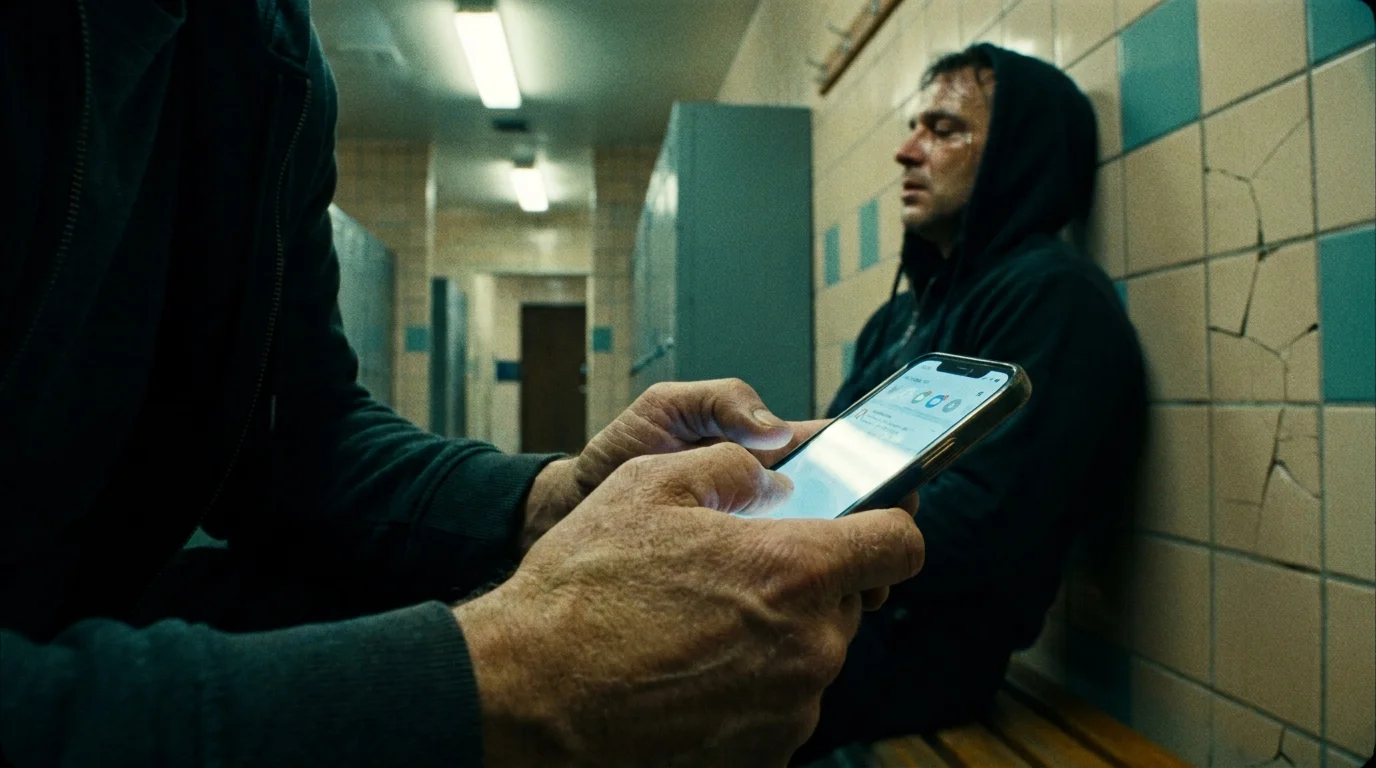
The bedroom is quiet, dark, and set to a cool sixty-six degrees. Your head rests on a supportive pillow, the sheets feel crisp against your skin, and by all logical accounts, your body should slip effortlessly into unconsciousness. Yet on your nightstand, a soft pulse of light breaks the stillness. It is not an alarm or a work email; it is a stack of unread notifications from a single, volatile family group text that flared up right as you were brushing your teeth.
You do not even have to unlock the glass to feel the familiar tightness in your chest. Just knowing the thread is active pulls you into a state of covert emotional sentinel duty. You lie beneath the blankets anticipating who will misunderstand whom, quietly drafting diplomatic mediating responses in your head, and bracing for the next notification buzz. Even with your eyes shut tight, your jaw remains clamped, your breath shallow, and your mind fully engaged in an invisible, high-stakes negotiation.
By seven in the morning, the sun spills across your floor, but you wake feeling as though you spent the night hauling wet gravel. You technically logged eight hours between the sheets, yet your limbs ache with heaviness and your brain feels smothered by thick fog. The culprit is not your mattress or your bedtime tea; it is the silent toll of digital peace-keeping that prevents your nervous system from ever standing down.
The Phantom Mediator and Slow-Wave Erasure
When you participate in high-friction digital threads, your brain does not categorize the exchange as mere text on a display. Evolution wired our biology to treat tribal fracture as an existential threat. When conflict erupts among people who share your bloodline or childhood history, your subconscious perceives a breakdown in your foundational social safety net. Reading sharp quips or passive-aggressive jabs before bed acts like an open circuit breaker, leaving your system stuck in a continuous loop of anticipatory vigilance.
This persistent tension disrupts your sleep architecture at its most fundamental level. Deep sleep—specifically slow-wave sleep—demands an almost complete drop in sympathetic nervous drive and a steep decline in evening cortisol. When you remain tethered to the group dynamic, your autonomic system treats the bedroom like an active crisis room. Subconscious peace-keeping elevates nighttime cortisol, physically blocking your brain from dropping into those restorative, low-frequency delta rhythms that clear cellular metabolic waste and rebuild your mental resilience.
The Invisible Weight of Digital Peacemaking
Consider Elena, a 38-year-old landscape architect from Denver. For months, Elena struggled with debilitating morning fatigue, unyielding shoulder tension, and sudden afternoon brain fog. Blood panels showed normal thyroid markers and stable iron levels, while her sleep tracker routinely confirmed seven to eight hours of horizontal rest. The real disruption surfaced when she examined her final waking hour: every evening concluded with her quietly navigating an ongoing, tense group thread between her estranged siblings and aging parents, trying to soften harsh comments and keep everyone calm.
- Daraxonrasib lung cancer trials trigger urgent nationwide patient surges across specialty oncology clinics
- Moving heavy bedroom dressers away from bedposts stops suffocating pockets of stale air
- Sitting on thick leather wallets forces unnatural pelvic tilts triggering sharp shooting sciatica
- Baking soda foot baths strip stubborn crusty heel calluses without abrasive metal rasps
- Pungent horseradish root sniffing sparks instant morning focus without sour caffeine crashes
Dr. Julian Vance, an autonomic physiology researcher, notes that emotional labor performed through digital text creates a unique neurological strain. Without real-world vocal tone, facial expressions, or physical presence to signal resolution, your mind continues running simulations long after you set the phone face down. Elena was not just reading messages; her nervous system was actively working as an on-call referee in the dark, keeping her heart rate variability depressed throughout the entire night.
Mapping the Personal Impact: Where Do You Stand?
Every dynamic generates its own distinct neurological drain. Recognizing how you participate in volatile digital threads allows you to dismantle the subconscious reflex that keeps your nervous system on high alert.
For the Default Diplomat
If you are the person who always steps in to clarify miscommunications or smooth over hurt feelings, you carry the heaviest cognitive load. You read between the lines, draft multi-paragraph explanations, and monitor replies with high anxiety. For you, the group chat acts like an emotional sponge that drains your mental stamina before you even close your eyes.
For the Silent Bystander
Even if you rarely type a response, simply watching notifications roll in from contentious family members triggers a slow leak of nervous energy. Passive exposure fuels hyper-vigilance because your brain registers unresolved conflict without any outlet for closure, leaving you in a state of quiet dread that keeps your heart rate elevated.
For the Late-Night Responder
If you find yourself replying to arguments after ten at night, your brain receives a double hit: the physical stimulation of blue light combined with an acute adrenaline spike. Engaging during these hours tells your internal clock that daytime survival takes priority over restorative rest, completely derailing your natural melatonin curve.
Reclaiming the Night: A Tactical De-Escalation Toolkit
Breaking this cycle does not require abandoning your family or staging a dramatic exit from the thread. It requires building firm digital and physiological barriers so your nervous system learns that evening means absolute safety.
- Activate Scheduled Thread Silencing: Set an automated ‘Do Not Disturb’ or hide alerts for contentious group chats starting promptly at 8:30 PM. Remove the sensory cue of glowing screens entirely from your peripheral vision.
- Adopt the Twelve-Hour Reply Buffer: Commit to an internal rule that no family dynamic issues get settled via text after sundown. Any topic requiring diplomatic nuance waits until after breakfast the following morning.
- Discharge Residual Muscle Bracing: Before lying down, practice three minutes of progressive somatic unclenching. Consciously drop your tongue from the roof of your mouth, lower your shoulders away from your ears, and let your belly soften completely.
- Engage in a Mental Handoff: Keep a notebook by your bed. If mediating thoughts or frustrated replies surface while you try to sleep, write them down on physical paper to signal to your brain that the problem is preserved and does not need active overnight monitoring.
The Peace of an Unmonitored Horizon
True restorative sleep is far more than the absence of daytime movement; it is an active state of total biological trust. When you give yourself permission to step away from digital battlegrounds at twilight, you allow your nervous system to return to its natural rhythm. The family dynamics will still be there tomorrow, but by choosing to protect your nocturnal boundaries tonight, you wake up equipped with the patience, mental clarity, and physical vitality required to navigate them with ease.
Unresolved digital friction keeps your internal threat-detection system online, turning your bed into an emotional boardroom.
| Dynamic Trigger | Biological Impact | Practical Shift |
|---|---|---|
| Evening Chat Monitoring | Elevated baseline cortisol and delayed slow-wave sleep entry | Automated mute schedules active by 8:30 PM nightly |
| Pre-Sleep Mediating | Hyper-arousal and suppressed heart rate variability | Implement a strict 12-hour response buffer until morning |
| Silent Notification Watching | Subconscious tension storage and shallow breathing patterns | Move charging dock entirely out of the sleeping space |
Frequently Asked Questions
Why do family group texts drain more energy than work emails?
Family dynamics tap directly into early attachment systems and deeply rooted emotional patterns, causing your nervous system to interpret interpersonal tension as an immediate threat to your social safety.Can reading tense texts really alter my sleep if I fall asleep quickly?
Yes. Falling asleep quickly can sometimes be a sign of emotional exhaustion. Elevated stress hormones still prevent your brain from spending adequate time in restorative, slow-wave delta sleep stages throughout the night.How do I handle the guilt of not replying to an active argument at night?
Remind yourself that texting is the worst medium for high-friction conflicts. Stepping away until morning prevents reactionary statements and ensures you address the situation with a clear, rested mind.Will putting my phone on vibrate solve the disruption?
No. The low buzz or intermittent screen illumination still triggers subconscious anticipatory vigilance. Complete silencing and hiding notification banners are necessary to allow full nervous system decompression.How long does it take for deep sleep to recover after setting chat boundaries?
Most people experience noticeable improvements in morning mental clarity and physical ease within three to five nights of consistent evening disconnection.