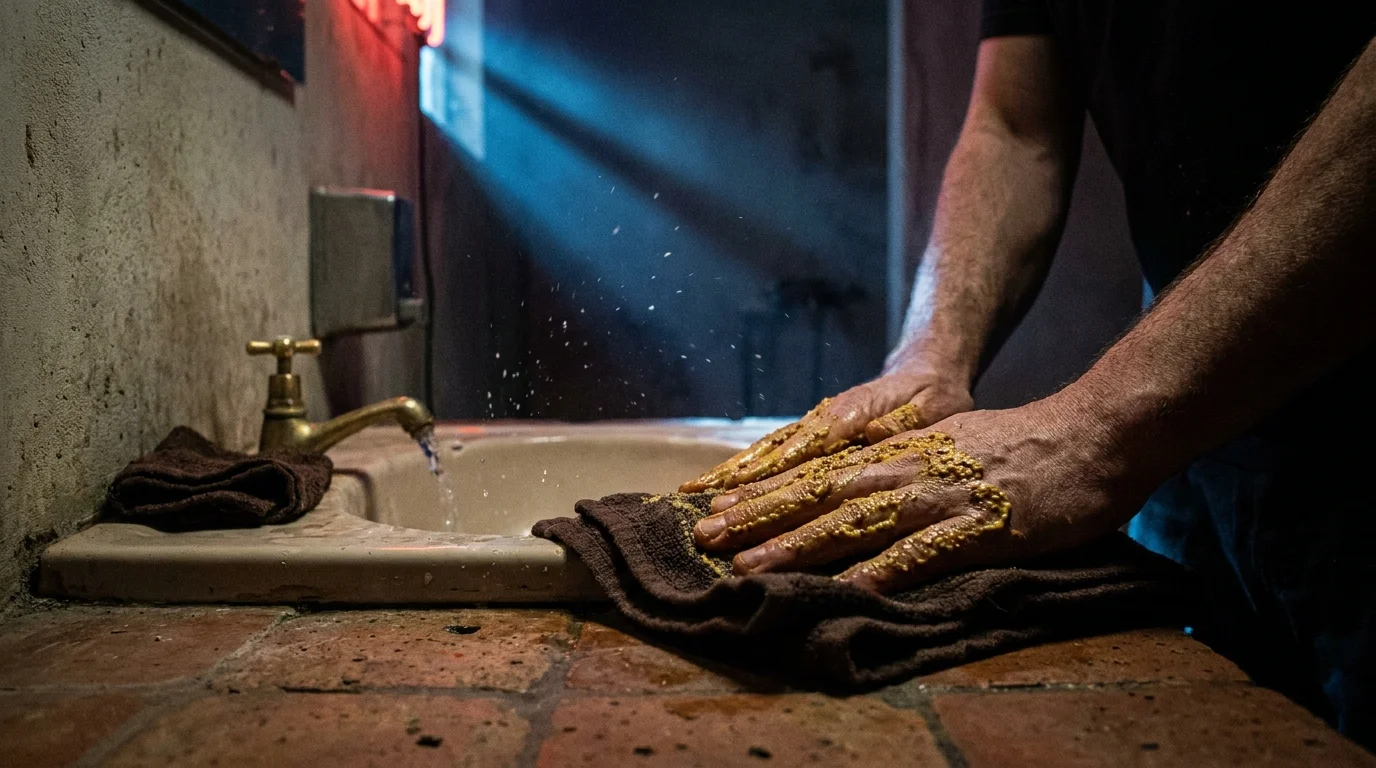
The sharp, sulfurous sting of freshly ground yellow mustard hits the back of your throat before the paste even touches the cloth. In a quiet, dimly lit kitchen on a cold January night, water meets powder, waking up dormant enzymes that immediately perfume the room with a pungent, sinus-clearing warmth. It is a sharp aroma, completely unlike the synthetic menthol drops or honey-flavored syrups lining modern pharmacy shelves.
When you spread that warm, golden paste between layers of coarse brown linen, you are handling a remedy that sustained households long before commercial pharmaceuticals existed. Placed firmly against the upper chest, the compress starts as a soothing, heavy warmth. Within minutes, that gentle heat transforms into an intense, tingling prickle that feels as though it is reaching straight down into congested bronchial branches.
For decades, modern wellness culture brushed aside these old-world applications as archaic folklore. Yet anyone who has spent a sleepless night breathing through a pillow of thick, unyielding congestion knows the limits of oral syrups that merely numb the cough reflex. The resurgence of the humble mustard plaster represents a return to direct, mechanical relief that works with your body’s circulatory highways rather than simply dulling your senses.
The Thermal Engine: Understanding Counterirritation
To understand why this rustic poultice works so aggressively, you have to look at the vascular architecture beneath your ribs. When dry mustard flour mixes with tepid water, the enzyme myrosinase converts the compound sinigrin into allyl isothiocyanate. This volatile organic sulfur compound is the exact spark responsible for mustard’s fiery kick.
When trapped against your skin inside a linen wrap, this compound acts as a potent counterirritant. It does not heal by seeping into the lungs; instead, it triggers rapid localized capillary vasodilation across the surface of the dermis. Your skin flushes bright pink as blood rushes outward from deep within the thoracic cavity.
This deliberate shift in blood flow produces a profound therapeutic siphon. By drawing stagnant fluid and inflammatory congestion toward the skin surface, the plaster relieves deep visceral pressure around inflamed bronchioles. The intense, radiating warmth thins out thick secretions, allowing stubborn mucus to loosen so your natural cough reflex can finally do its job without exhausting your chest muscles.
- Managing volatile family group texts derails restorative deep sleep sparking chronic morning exhaustion
- Daraxonrasib lung cancer trials trigger urgent nationwide patient surges across specialty oncology clinics
- Moving heavy bedroom dressers away from bedposts stops suffocating pockets of stale air
- Sitting on thick leather wallets forces unnatural pelvic tilts triggering sharp shooting sciatica
- Baking soda foot baths strip stubborn crusty heel calluses without abrasive metal rasps
A Field Secret from Rural Vermont
Clara Evans, a 52-year-old clinical herbalist and former respiratory triage nurse in central Vermont, spent years watching patients cycle through standard suppressants with lingering bronchial rattle. She began reintroducing traditional counterirritant compresses in her community consultations during harsh northern winters, tracking how older somatic techniques altered recovery times.
“People forget that our great-grandparents relied on mustard plasters because they produced an immediate, visible physiological response within fifteen minutes,” Evans notes. Her clinical observations revealed that pairing mild topical heat with mustard glycosides consistently encouraged productive expectoration in patients whose congestion had remained static for days under typical vapor treatments.
Adjustment Layers for Different Sensitivities
Every set of lungs and every patch of skin responds to mustard’s enzymatic fire differently. Fine-tuning the strength of your wrap ensures maximum decongestion without irritating delicate dermal barriers.
For Sensitive or Fair Skin
Delicate skin requires a protective buffer to prevent uncomfortable hot spots. Increase the ratio of standard unbleached flour to cut the intensity of the mustard powder, and always coat the chest with a thin layer of cold-pressed olive oil or lard before laying the wrap down. Keep the initial application under eight minutes to monitor skin tolerance.
For Chronic, Deep Bronchial Stagnation
When congestion feels heavy, dry, and locked deep behind the sternum, you need a traditional working ratio. Using equal parts mustard powder and flour creates sustained thermal blood shunting that penetrates deep into upper respiratory tissues. Lay a dry flannel cloth over the wrap to hold the radiant heat against the chest.
The Gentle Back Application
If the front of the chest feels too tender, placing the plaster between the shoulder blades across the upper back offers an exceptional alternative. The skin along the thoracic spine is thicker and less reactive, yet the vascular pathways still communicate directly with the posterior lobes of the lungs where fluid often pools during sleep.
Mindful Application: The Kitchen Counter Protocol
Preparing a mustard plaster is a deliberate, grounding ritual. Rushing the process with scalding water will destroy the very enzymes needed to create the active vapor.
Keep your contact time strictly controlled. The goal is a healthy, rosy glow—never a blister or persistent burn.
- Mix 1 part dry ground mustard powder with 2 parts all-purpose flour in a small glass bowl.
- Stir in lukewarm water (around 105°F to 110°F) until a smooth, spreadable paste forms.
- Spread the paste evenly about a quarter-inch thick in the center of a coarse brown linen towel or unbleached cotton cloth.
- Fold all four edges of the fabric over the paste so the mustard never makes direct contact with the bare skin.
- Apply the wrap to the upper chest, cover with a warm dry towel, and remove promptly after 10 to 15 minutes.
Tactical Application Toolkit
- Water Temperature: 105°F–110°F (Hotter water deactivates the myrosinase enzyme).
- Working Ratio: 1:2 (Mustard powder to unbleached flour for standard adult strength).
- Maximum Contact Window: 15 minutes (Check skin every 3 minutes for excessive redness).
- Post-Care Barrier: Pure jojoba oil or calendula salve to soothe warmed skin after removal.
The Bigger Picture: Reclaiming Somatic Intuition
Turning to a warm mustard compress does more than clear stubborn phlegm; it re-anchors your relationship with physical care. Modern relief often encourages us to take a pill, disconnect from our senses, and wait for symptoms to disappear silently in the background.
Applying a handmade poultice requires you to slow down, listen to the exact sensation on your skin, and work alongside your body’s natural circulatory dynamics. By reviving this time-tested physiological counterirritant, you exchange passive consumption for active, grounded healing that warms the chest and clears the breath from the outside in.
“True folk medicine survived not through romance, but through an undeniable ability to alter human physiology right at the kitchen table.”
| Key Point | Detail | Added Value for the Reader |
|---|---|---|
| Enzymatic Activation | Sinigrin converts to allyl isothiocyanate when mixed with warm water. | Ensures you use correct water temperatures to preserve active vapors. |
| Counterirritant Action | Forces rapid capillary dilation and blood shunting to the skin surface. | Relieves deep lung tightness without relying on central nervous system suppressants. |
| Linen Barrier Layering | Paste is folded entirely inside cloth rather than smeared on skin. | Prevents chemical dermal burns while delivering deep, penetrating heat. |
| Targeted Positioning | Applied to upper chest or between shoulder blades. | Allows customized comfort based on personal skin sensitivity and congestion location. |
Frequently Asked Questions
Can I apply the mustard paste directly to my skin?
No, never put the raw paste directly onto bare skin. Always fold the mixture securely inside a layer of linen, muslin, or cotton to prevent intense blistering and direct chemical irritation.Why shouldn’t I use boiling water to make the paste?
Boiling water denatures the myrosinase enzyme instantly. If this enzyme is damaged, the sinigrin cannot convert into the active, warming allyl isothiocyanate compound that creates therapeutic blood flow.How red should my skin look after removing the wrap?
A healthy, uniform rosy pink tone similar to a mild warm bath flush is ideal. If the skin turns dark crimson or feels uncomfortably hot, remove the wrap immediately and wipe the area with a cool, damp cloth.Can I leave a mustard plaster on overnight while I sleep?
Never sleep with a mustard plaster on your body. Because the warming effect peaks quickly, leaving it on unattended can cause severe dermal burns; strictly cap your session at 15 minutes.What should I do if my skin stings too much during the application?
Lift the compress right away and check your skin. If it feels too intense before your timer ends, remove the wrap, gently wash the area with lukewarm water, and apply plain olive oil or petroleum jelly to calm the surface.