Step past the heavy glass entrance of a typical suburban daycare at eight in the morning, and the sensory profile used to be unmistakable. The sharp sting of industrial bleach, the moist heat of thirty toddlers shedding winter coats, and a dense, humid stillness hung in the hallways. You knew the drill: staff frantically scrubbing plastic building blocks while children napped inches from floorboards coated in chemical film.
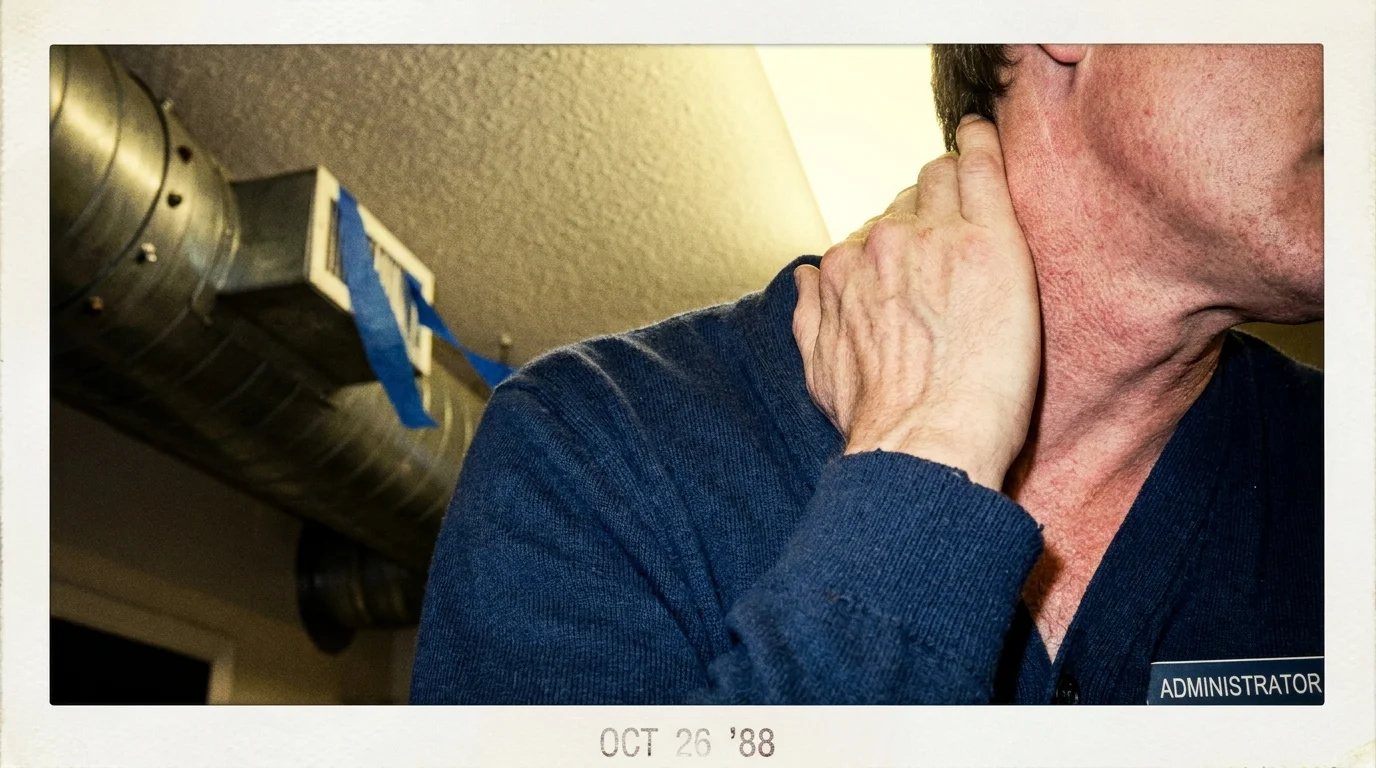
Look up today in facilities across the Chesapeake region, and the landscape has changed. High above the brightly colored rugs, galvanized metal ceiling ductwork hums with a quiet, persistent vitality, blowing tempered, fresh outdoor air straight through the heart of the playrooms. The overwhelming scent of synthetic lemon disinfectant has faded, replaced by the cool, crisp neutrality of an atmosphere in constant motion.
For years, institutional health policy treated communal illness like a puzzle of dirty hands and tainted tabletops. We washed, sprayed, and wiped surfaces until the finish stripped away from classroom tables. Yet every winter, the same tidal wave of respiratory bugs swept through licensed child care centers, sidelining working parents and exhausting regional pediatric clinics.
Recent policy announcements across regional licensing boards mark a permanent departure from surface-cleaning theater. Regulators are no longer grading preschools solely on their chemical spray logs; they are demanding measurable, continuous volume exchanges of indoor air.
The Airborne Shift: Why Disinfecting Countertops Missed the Target
Treating airborne respiratory transmission by wiping down baseboards is like trying to clear a smoky kitchen by sweeping the linoleum. When children sing, laugh, and cry in close quarters, they exhale buoyant micro-droplets that hang suspended in stagnant rooms like invisible clouds of vapor. Without active mechanical dilution, those aerosols build up until every person in the room breathes the same recycled, depleted atmosphere.
The updated guidance treats the volume of a classroom like a flowing freshwater stream rather than a sealed container. Instead of obsessing over momentary surface sterilization that evaporates in seconds, state standards now emphasize continuous volumetric displacement. The goal is simple: capture exhaled air, dilute it with conditioned outdoor air, and sweep lingering pathogens through high-efficiency media before they settle into another child’s lungs.
- Suboccipital neck muscles trap buried financial dread sparking relentless throbbing scalp band tension
- Maryland public health updates enforce strict ventilation overhauls inside crowded child care facilities
- Busy Philipps nasal rinse routine exposes dangerous unboiled tap water amoeba contamination risks
- Warm mustard plaster chest wraps resurface as potent natural relief for stubborn chest congestion
- Managing volatile family group texts derails restorative deep sleep sparking chronic morning exhaustion
Frontline Adjustments in Early Education
Marcus Vance, a forty-four-year-old facilities director overseeing seven licensed regional centers between Baltimore and Annapolis, spent the past autumn overseeing complete mechanical retrofits across aging institutional floor plans. For Marcus, the regulatory mandate arrived not as a bureaucratic surprise, but as an overdue correction to how commercial building systems interact with growing bodies.
“We spent two years fogging classrooms with quaternary ammonium compounds, only to watch classroom absences climb every November,” Marcus explains, checking an airflow meter against a newly cut ceiling diffuser. “Once we balanced the rooftop economizers, pulled outdoor air dampers open to twenty percent baseline, and shifted to continuous fan operation during operating hours, the entire dynamic changed. The classrooms feel lighter, afternoon restlessness has dropped, and we aren’t sending whole pods home every third Monday.”
Architectural Realities: Adapting Varied Child Care Facilities
Meeting these mechanical ventilation standards requires distinct structural adjustments depending on the building style of the care center:
Historic Converted Rowhomes and Victorian Houses
Older residential conversions often rely on legacy gravity heating or sealed double-hung windows that trap stagnant air pockets in corner nurseries. Compliance here centers on installing balanced, ductless energy recovery ventilators (ERVs) that punch clean core penetrations through exterior brickwork, exchanging indoor moisture for tempered outside air without creating floor drafts.
Suburban Commercial Strip Centers
Single-story retail conversions typically feature drop-tile ceilings and shared commercial split-system heat pumps. Meeting regulatory thresholds in these spaces means upgrading rooftop unit blower motors to overcome the static pressure of deeper filtration racks and re-ducting return grilles away from crowded cubby zones directly into main air handlers.
Modern Purpose-Built Learning Academies
Newer institutional builds leverage centralized variable refrigerant flow systems integrated with dedicated outdoor air systems (DOAS). These setups decouple temperature management from fresh air delivery, allowing continuous air turnover even during mild spring and autumn days when traditional thermostats would otherwise shut off circulation fans.
Practical Compliance: The New Classroom Air Standards
Navigating the transition from passive compliance to active air quality management requires methodical adjustments to facility infrastructure. Building operators and child care providers are adopting streamlined technical protocols to verify safety without inflating operating overhead.
- Baseline Continuous Turnover: Maintain a minimum of five to six total air changes per hour (ACH) in every occupied learning space, combining mechanical outdoor intake with certified mechanical filtration.
- Filtration Thresholds: Transition commercial air handler racks from standard fiberglass dust screens to minimum MERV 13 pleated filters, inspecting seal gaskets monthly to prevent raw air bypass around the frame.
- Surrogate Air Quality Auditing: Deploy non-dispersive infrared (NDIR) carbon dioxide sensors mounted at child breathing height (thirty to thirty-six inches above the floor), maintaining room readings strictly under 800 parts per million during peak occupancy.
- Purge Cycles: Program digital building management systems to run full outdoor air flushes for sixty minutes prior to morning drop-off and sixty minutes following evening pickup.
The Invisible Architecture of Communal Health
When we change the air a child breathes throughout their most formative developmental years, we change their physical resilience from the inside out. Moving beyond the reflex to spray harsh antimicrobial chemicals across every surface allows both developing immune systems and developing lungs to function without constant irritation from volatile organic compounds.
Clean, moving air is not an expensive luxury reserved for modern commercial towers; it is the fundamental baseline of responsible caregiving. By embedding mechanical airflow mandates into institutional policy, our communal spaces become safer, quieter, and vastly healthier places for communities to grow.
“Indoor air quality is the invisible floor beneath every other metric of childhood wellness, focus, and developmental comfort.”
| Key Regulatory Point | Operational Detail | Added Value for the Facility & Family |
|---|---|---|
| Mandatory Air Change Rates | Targeting 5 to 6 ACH minimum in all active classrooms | Rapid dilution of airborne viral loads and reduced seasonal illness transmission. |
| Upgraded Mechanical Filtration | Universal deployment of MERV 13 or HEPA equivalent media | Traps microscopic pollen, smoke particulates, and aerosol droplets without chemical residues. |
| Continuous CO2 Verification | Active monitoring kept below 800 ppm across peak hours | Eliminates afternoon cognitive lethargy and ensures steady outdoor air delivery. |
Frequently Asked Questions
Does increased mechanical ventilation make classrooms uncomfortably drafty during winter months?
Modern energy recovery ventilators pre-condition incoming outdoor air by transferring heat from outgoing stale air, keeping room temperatures steady and comfortable without cold drafts.Why are regulators prioritizing air exchange over chemical wipe-downs?
Extensive clinical data shows common respiratory pathogens spread primarily via lingering airborne aerosols rather than brief contact with inert surfaces.How can parents verify if their child care facility meets modern ventilation thresholds?
Parents can ask facility directors about their mechanical air changes per hour (ACH), whether MERV 13 filters are installed, and if classroom carbon dioxide levels are actively tracked.Do standalone portable HEPA purifiers meet the new state requirements?
Standalone purifiers provide valuable secondary filtration, but state guidelines require dedicated outdoor air introduction to properly dilute carbon dioxide and maintain baseline oxygen levels.Will higher mechanical ventilation rates cause facility utility bills to skyrocket?
Utilizing dedicated energy recovery systems allows facilities to capture up to seventy percent of thermal energy from exhaust air, keeping seasonal utility adjustments remarkably modest.