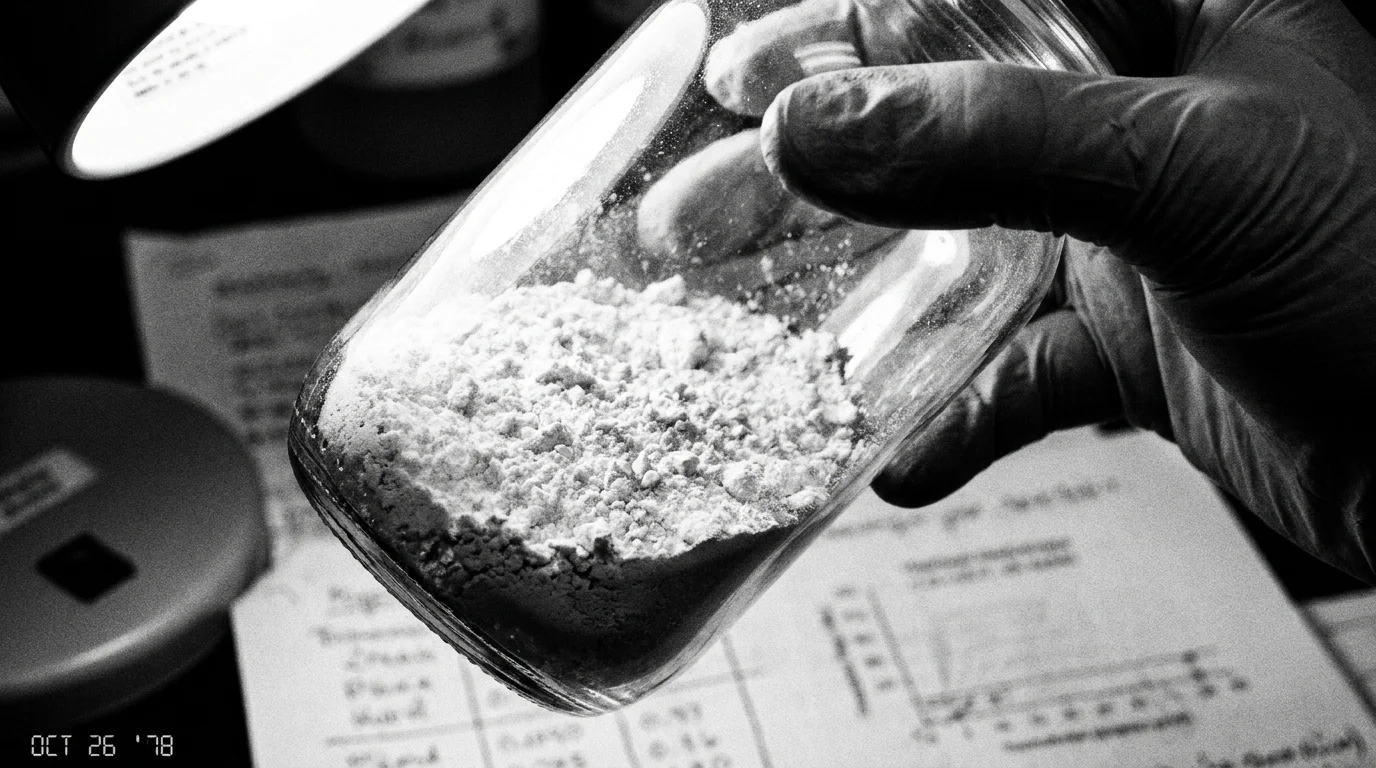
The morning quiet settles over the kitchen counter as you tilt a tall cylinder of cool spring water and measure out a rounded scoop of what looks like simple grain. You watch the chalky beige powder clumping along the bottom of a clear glass shaker bottle, resisting the swirl of the liquid until you shake it with deliberate force. It smells faintly earthy, like dried palm leaves and unripened fruit, carrying the quiet promise of gut renewal and effortless digestion.
You drink it down before breakfast because every clean-eating protocol insists that green banana flour is the holy grail of prebiotic fuel. Packed with type-2 resistant starch, it is supposed to feed your colon’s bifidobacteria, stabilize your morning glucose, and quiet low-grade inflammation. Yet forty minutes later, instead of calm vitality, a deep, persistent ache tightens across your lower abdomen, bringing a familiar, heavy distension that feels far more toxic than simple gas.
When your stomach rebels against a supposedly pure superfood, your first instinct is usually self-blame. You assume your microbiome is simply too sensitive, or that you introduced the fibrous starch too quickly into your routine. But behind the serene green seals and pristine wellness branding lies an uncomfortable agricultural reality that standard quality screens routinely overlook.
The Organic Sponge Fallacy: Why Soil History Trumps Green Seals
We tend to treat the word “organic” as a biological clean slate, a guarantee that what enters the bag is untainted by the industrial world. In reality, the certification is a methodology contract, not an elemental purity test. It verifies that a grower never sprayed synthetic pesticides or spread artificial fertilizers across the orchard, but it remains entirely blind to heavy metals already bound within the volcanic loam.
Green bananas are formidable biological sponges. Grown predominantly in tropical volcanic soils or coastal plantations with decades of mixed agricultural history, the deep roots of the banana plant draw up groundwater with immense hydrostatic pressure. As the tree drinks, it concentrates background mineral deposits—including naturally occurring and post-industrial lead—straight into the dense, fibrous matrix of the unripened fruit. While standard ripe bananas shed some of this density as starches convert into simple sugars, unripened green bananas processed whole into concentrated flour lock those heavy minerals into every tablespoon.
Standard organic inspections test the perimeter, checking storage bins and soil amendment logs while rarely subjecting dehydrated finished powders to sub-part-per-million heavy metal assays. When you ingest this concentrated flour daily, trace lead particles slip past mucosal defenses, binding to the lining of the small intestine. The resulting smooth-muscle spasms and dull cramps are not a “fiber adjustment period”; they are the classic physical signature of low-grade mucosal irritation.
- Standard melatonin gummies enforce excessive hormone spikes derailing deep sleep cycles by 3 AM
- Chewy dried mango slices jam tense jaw joints before bedtime causing morning headaches
- Dreo bedroom oscillating fans blow dry particulate layers that irritate raw nasal passages
- Push-button electric can openers accelerate mature forearm weakness by eliminating daily grip torque
- Cast iron skillet scrubbers burn stubborn waist fat without dedicated workout routines
The Laboratory Discovery: Trace Elements in the Pulp Matrix
In early 2023, Dr. Ronald Vance, a 48-year-old agricultural biochemist in Corvallis, Oregon, began running compositional chromatography on imported functional starches after several clinical nutritionists reported unexplained gastrointestinal reactivity in their clean-eating patients. What he discovered altered his understanding of tropical root crops: the green pulp of certain commercial cultivars held lead concentrations up to four times higher than the surrounding soil baseline, tightly complexed with the insoluble fiber strands.
Navigating the Pantry: Targeted Protocols by Usage Style
Not every digestive tract handles insoluble starches the same way, and your exposure risk shifts dramatically depending on how you bring this flour into your kitchen.
For the Prebiotic Smoothie Drinker
If you stir raw green banana flour straight into cold liquids, you are consuming the resistant starch in its most bio-accumulative, unheated form. Cold liquids leave the dense mineral-fiber complexes fully intact, meaning any trace lead makes direct, abrasive contact with your stomach lining. If you experience cramping within an hour of your morning shake, pause the raw powder immediately and pivot toward gently cooked starches like boiled sweet potatoes or cooled, pressure-cooked white rice, which deliver similar butyrate-producing benefits without the soil-bound contaminant load.
For the Grain-Free Baker
Using banana flour to replace conventional wheat in grain-free breads and muffins alters how the starch behaves. Heat exposure above 160 degrees Fahrenheit partially gelatinizes the resistant starch granules, breaking down some of the tough crystalline structures that irritate the gut. However, heat does not destroy elemental lead. If you rely on this flour for your weekly meal prep, diversify your dry pantry by blending it with cassava root or arrowroot flour from certified low-metal origins to dilute cumulative dietary exposure.
For the Autoimmune Recovery Protocol
Those working to repair existing gut permeability issues are uniquely vulnerable to unlisted mineral traces. When the mucosal barrier is already compromised, trace industrial residues do not simply pass through harmlessly; they spark localized immune responses and muscular contractions. For this group, resistant starch should come exclusively from brands that publish a public Certificate of Analysis (CoA) demonstrating lead levels below 0.05 parts per million.
Mindful Sourcing: The Clean Starch Audit
Protecting your digestion does not require clearing out your pantry in a panic. It requires establishing a mindful, discerning gatekeeper routine for functional superfoods before they ever reach your shaker cup.
- Request or look up the specific batch Certificate of Analysis (CoA) on the manufacturer’s website, paying special attention to heavy metal panels quantified via ICP-MS testing.
- Rotate your prebiotic sources across a broad spectrum of whole foods rather than relying on a single concentrated commercial powder every single morning.
- Allow functional flours to rest in warm, lightly acidic liquids (such as water with a squeeze of fresh lemon) before drinking to soften the fibrous exterior.
- Listen to your body’s immediate feedback: persistent dull pressure in the mid-abdomen within ninety minutes of consumption is a clear signal to stop.
The Tactical Sourcing Toolkit
Keep these precise benchmarks on hand when evaluating any tropical starch product:
- Maximum Safe Lead Threshold: Seek products verified under 0.05 ppm (parts per million), well below the broad baseline limits allowed by non-specialized organic certifiers.
- Water Temperature for Blending: Dissolve starches in liquids kept at 110°F to 125°F if consuming for texture, or keep strictly cold below 98°F only if third-party purity is confirmed.
- Inspection Frequency: Check brand testing panels every 6 months, as tropical soil compositions vary significantly across seasonal harvest cycles.
The Bigger Picture: True Wholeness Over Clean Labels
The pursuit of digestive health should bring a sense of ease and physical quiet, not an endless cycle of mystery symptoms and ingredient anxiety. When an organic label fails to guarantee total safety, it is not a reason to abandon whole-food nutrition, but an invitation to step out of blind trust and into genuine discernment. By understanding how the earth, the plant, and your own digestive lining interact, you reclaim true control over what goes into your body—freeing your gut to do what it was meant to do in peaceful, unforced comfort.
“A clean label tells you how a crop was tended; only targeted testing tells you what the soil left behind.”
| Key Point | Detail | Added Value for the Reader |
|---|---|---|
| Organic Gap | USDA Organic rules restrict chemicals, not soil heavy metals. | Helps you understand why organic seals do not prevent mineral cramping. |
| Bio-Accumulation | Green banana roots act as sponges for volcanic and industrial soil lead. | Explains the direct physical mechanism behind unexpected stomach distress. |
| Third-Party CoAs | Reputable brands test finished powders using ICP-MS mass spectrometry. | Gives you an actionable verification standard before buying functional foods. |
Frequently Asked Questions
Why does green banana flour cause stomach cramps if it is supposed to be good for gut health?
While its resistant starch feeds beneficial bacteria, the unripened fruit pulp can bio-accumulate trace industrial and volcanic heavy metals from soil, which directly irritate sensitive digestive linings.Does cooking green banana flour remove heavy metals like lead?
No. Cooking changes the structure of resistant starch from crystalline to gelatinized, which may ease digestion, but elemental heavy metals cannot be broken down by oven heat.How can I tell if my brand tests for heavy metal contamination?
Look for a publicly available Certificate of Analysis (CoA) on the brand’s website or contact customer service directly to ask for their third-party ICP-MS heavy metal panel.Are whole, ripe bananas affected by the same contamination issues?
Ripe bananas carry significantly lower concentrations per serving because commercial flours are created by dehydrating and concentrating large volumes of unripened green pulp.What are safe whole-food alternatives for getting resistant starch?
Cooked and thoroughly cooled organic white potatoes, parboiled white rice, and overnight rolled oats provide natural prebiotic starches without concentrated tropical soil residues.