You fill a clear tumbler with cool tap water, tilt your head back, and swallow a dense, chalk-white tablet the size of an almond. By mid-morning, right around your second meeting or your drive across town, an unmistakable tightness settles right under your ribcage. It is not ordinary hunger, nor is it the nervous flutter of a busy schedule. It feels like an inflated balloon wedged beneath your waistband, a stubborn heaviness that makes your favorite trousers feel two sizes too small before noon.
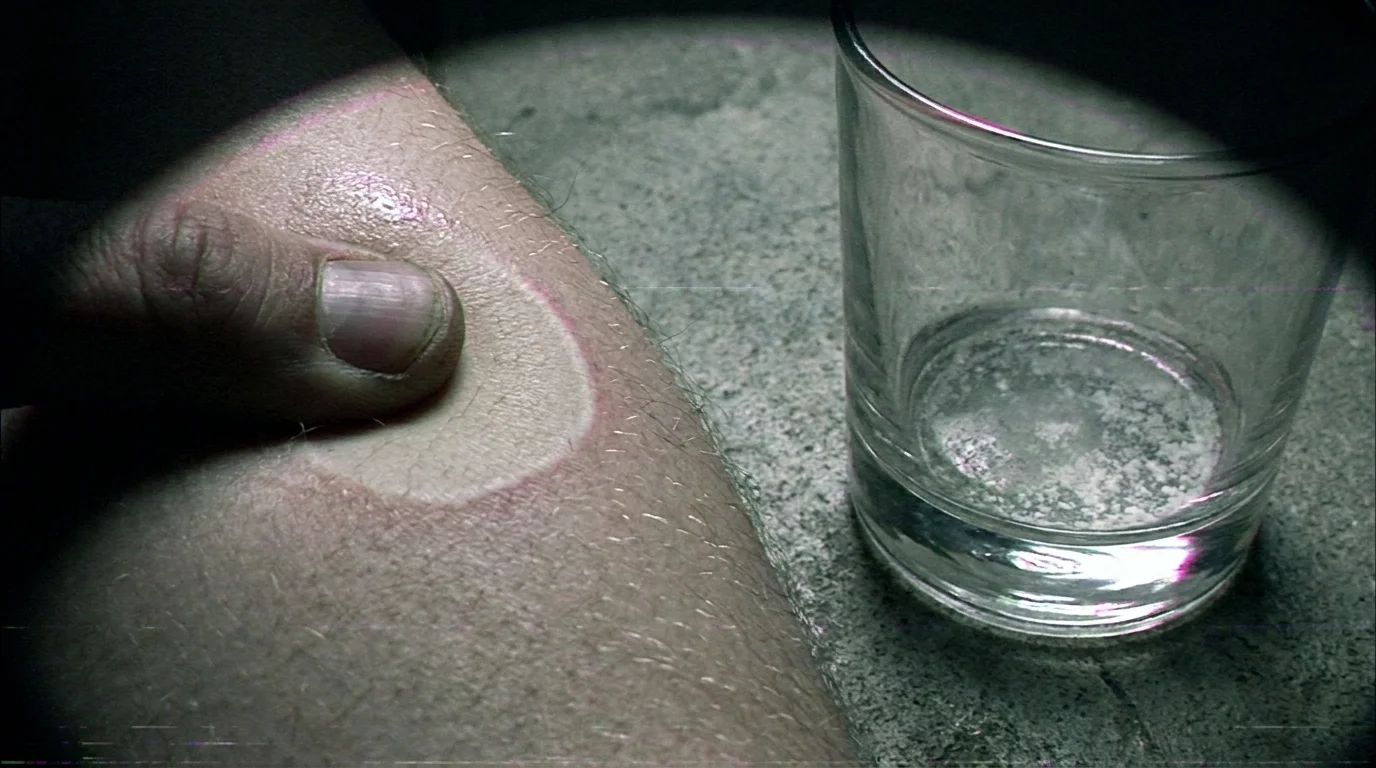
If you have ever dropped that same tablet into a glass of plain water and left it on the kitchen counter, you know the quiet truth of what happens next. Hours later, instead of dissolving into a smooth liquid, the pill collapses into a gritty white powder sediment sitting stubbornly at the base of the glass like wet masonry sand. That dense sludge is precisely what your stomach lining is forced to contend with while you go about your morning routine.
Most people assume that taking a daily mineral pill is a straightforward exchange: swallow the pressed tablet, absorb the nutrients, and protect your skeletal frame. Yet over-the-counter calcium carbonate formulas are increasingly leaving a trail of uncomfortable gastric fallout across modern households, turning a simple wellness habit into a quiet daily sabotage.
The Limestone Dilemma: When Tablets Act Like River Stones
Calcium carbonate is, at its chemical foundation, refined chalk or pulverized limestone. To transform this dry, hydrophobic mineral into a smooth, shelf-stable commercial tablet that survives shipping, manufacturers pack it under thousands of pounds of hydraulic pressure alongside synthetic binders, talc-like lubricants, and insoluble glidants.
When this hyper-compressed matrix reaches your stomach, it requires a torrential bath of hydrochloric acid to break apart the chemical adhesives and free the elemental calcium. If your stomach acid happens to be even slightly diluted—a standard occurrence if you drink a large glass of water, sip tea, or take the pill on an empty stomach—the tablet refuses to disintegrate cleanly. Instead of dispersing, it forms an insoluble excipient accumulation that slowly rolls against delicate mucosal folds, sparking localized friction, trapped gas pockets, and persistent abdominal swelling.
Consider Martha Gable, a 54-year-old physical therapist from Denver, who spent eight months wrestling with mysterious mid-morning distension that physical adjustments could not relieve. Every morning without fail, Martha washed down a 1,200-milligram pressed calcium carbonate caplet with her green smoothie. It was only after a colleague suggested dropping her generic tablet into a bowl of warm apple cider vinegar—where it sat virtually intact for forty-five minutes, leaving a thick, cement-like paste—that she recognized the physical source of her daily distress.
- Ice-cold green juice tonics trigger sudden stomach cramps by freezing delicate digestive lining
- Tightly cinched leather belts trap lower ribcage movement sparking sudden afternoon chest tightness
- Tragus ear cartilage pressure forces rapid heart deceleration stopping sudden solo panic surges
- Braided leather wristwatch straps stop sudden crowded boardroom anxiety through covert thumb grounding
- Toxic Waste sour candies switch off sudden panic spikes through instant tart sensory shock
Mapping the Discomfort: Three Distinct Digestive Profiles
Not every digestive tract handles dense mineral pills the same way. Understanding your specific gastric baseline determines whether a compressed tablet passes quietly or turns into an abrasive, gas-producing irritant.
The Morning Faster: If you take your supplements alongside black coffee or plain water before eating solid food, your stomach produces minimal digestive acid. A dense carbonate pill dropped into this dormant environment simply sits, drawing moisture from surrounding tissues while generating tiny carbon dioxide bubbles that stretch the upper gut.
The Mature Digestive Baseline: As we pass age forty, baseline stomach acid production naturally softens. When hydrochloric acid levels drop, the chemical cleavage required to break apart calcium carbonate slows dramatically, leaving coarse mineral granules lingering in the stomach pouch for hours.
The High-Dose Consolidator: Taking your entire daily mineral target in a single massive midday tablet overwhelms your gut’s transport channels. Unbound calcium ions travel downstream into the small intestine, drawing water into the bowel or hardening digestive transit into sluggish, uncomfortable stagnation.
The Gentle Disintegration Protocol: Restoring Morning Ease
Relieving the pressure in your midsection does not mean abandoning bone support. It simply requires working with your body’s natural chemistry rather than forcing it to break down industrial-grade binders.
Transitioning away from chalky sediment relies on a few practical, low-friction habits that respect the stomach’s mucosal lining.
- Switch to Pre-Dissolved or Chelated Forms: Seek out calcium citrate, bisglycinate, or marine-derived whole-food algae complexes. These bio-available forms do not demand aggressive stomach acid to split apart and dissolve effortlessly without leaving gritty residue.
- Perform the 30-Minute Vinegar Test: Drop your current tablet into two tablespoons of warm white vinegar. If it has not completely dissolved into a fine, non-gritty suspension within half an hour, it will behave like wet gravel inside your digestive tract.
- Divide Your Threshold: Never take more than 500 milligrams of elemental mineral in a single serving. Splitting your intake between meals maximizes cellular uptake while preventing leftover sediment from fermenting or irritating mucosal tissues.
- Always Pair with Solid Fare: If you must finish an existing bottle of carbonate tablets, take them midway through a meal rich in natural dietary acids, such as citrus dressings, fermented vegetables, or sourdough.
Tactical Toolkit: Optimal water temperature for digestion sits around 72°F to 98.6°F. Keep individual doses under 500mg, allow 4 to 6 hours between mineral servings, and avoid taking compressed tablets within 60 minutes of waking.
Reclaiming Ease from Within
True vitality should never demand that your body endure persistent, low-grade discomfort in exchange for long-term health. When you stop asking your delicate digestive lining to act as an industrial crushing mill, your mornings shift dramatically. The phantom bloating fades, your waistline feels relaxed and unconstrained, and your daily nourishment quietly does what it was always intended to do: support you from the inside out without demanding a physical tax in return.
“A supplement should dissolve seamlessly into your internal landscape, not leave a gritty footprint on your digestive peace.”
| Key Point | Detail | Added Value for the Reader |
|---|---|---|
| Mineral Structure | Compressed Carbonate vs. Chelated Citrate | Eliminates the dense binder sediment that causes mechanical gut friction. |
| Acid Dependency | Carbonate requires heavy gastric acid; Citrate absorbs in low acid | Ensures smooth digestion even if taken on an empty stomach or with coffee. |
| Dosing Strategy | Split servings below 500mg rather than large single hits | Prevents osmotic fluid shifts and carbon dioxide gas buildup in the upper gut. |
Frequently Asked Questions
Why does calcium carbonate create more gas than other supplements?
When calcium carbonate reacts with gastric hydrochloric acid, it produces carbon dioxide gas as a natural chemical byproduct, which directly expands the upper digestive tract and causes sudden bloating.Can I crush my current calcium pills to stop the belly bloat?
Crushing helps speed up dissolution and avoids large pill fragments, but it will not alter the fundamental chemistry of carbonate or eliminate the release of carbon dioxide gas.What is the gentlest form of calcium for sensitive stomachs?
Calcium citrate and calcium bisglycinate are widely considered the most digestive-friendly because they do not require high stomach acid and dissolve clean without chalky sediment.Does drinking extra water dissolve compressed pills faster?
Excess plain water actually dilutes stomach acid, which can slow down the breakdown of heavy mineral tablets and prolong gastric discomfort.How long after switching supplements should my morning bloating subside?
Most people notice a significant reduction in upper abdominal fullness within forty-eight hours of removing insoluble binder tablets from their morning routine.