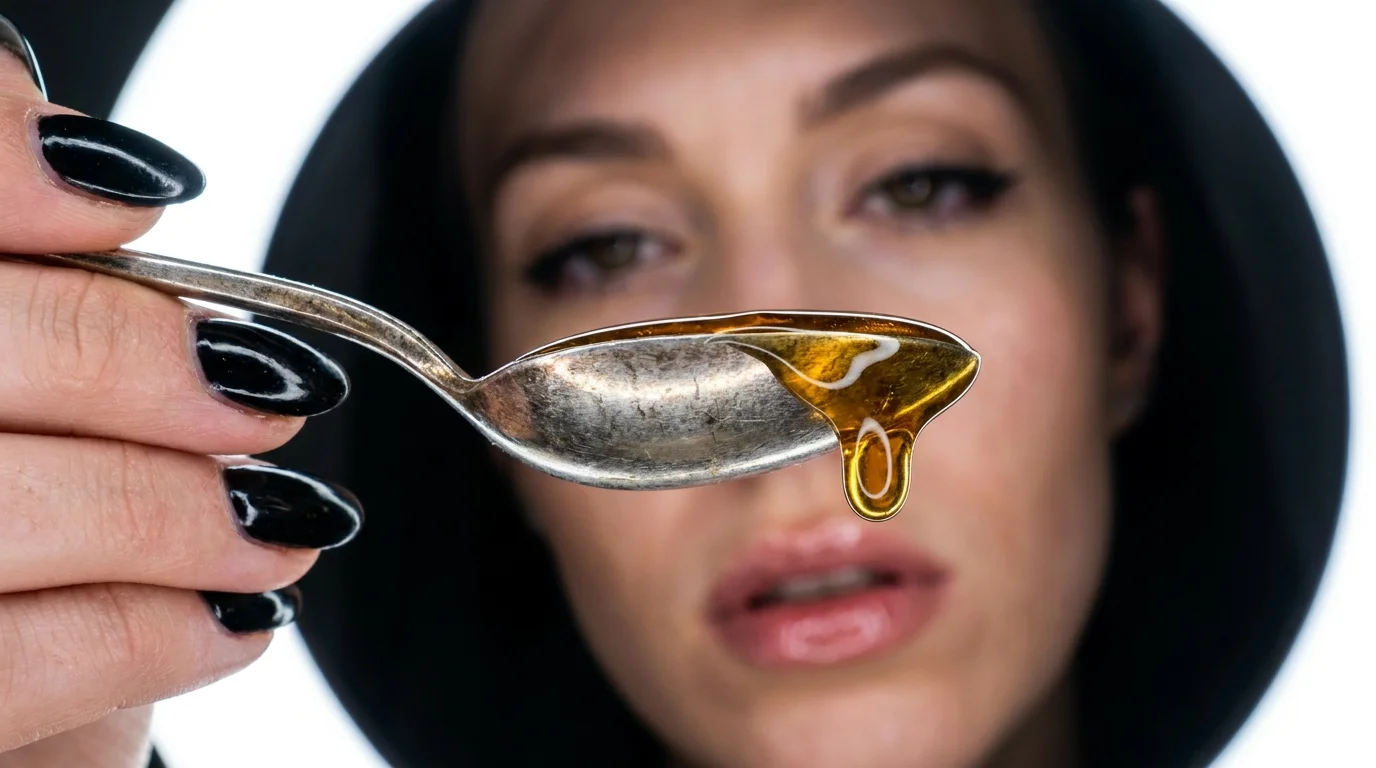
The kitchen air carries the distinct, biting chill of mid-January dawn, where the floorboards feel like ice beneath your bare feet and your knees creak in dull protest. You watch the pale amber liquid pooling in a vintage metal teaspoon, catching the dim morning window light. It trembles slightly against the cold silver edge, viscous, unapologetic, and smelling faintly of the North Atlantic brine.
For decades, modern supplement marketing taught us to chase sanitized comfort: pastel-hued gummies, micro-encapsulated softgels, and deodorized concentrate powders promising frictionless youth. Yet every time the thermometer drops toward single digits, that familiar, grinding ache returns to your finger joints and lower lumbar. The synthetic isolates you swallow by the handful often seem to pass straight through, leaving cartilage feeling just as parched as before.
Standing over the sink, you might recall an older relative pressing this exact ritual upon you with stubborn insistence. Back then, it felt like an archaic punishment, a bitter relic of pre-pharmaceutical thrift. But our grandparents were not practicing blind folklore; they were leaning on an elegant, unstripped biological cascade that lab-engineered isolates simply fail to recreate.
When you let the spoon settle on your tongue, swallowing the dense, oceanic fluid, you are not merely taking a supplement. You are handing your inflamed joint capsules the precise structural architecture they need to silence winter distress from the inside out.
The Whole-Matrix Miracle: Why Synthetic Omega Pills Fall Short
Modern pharmacology loves extraction because extraction can be patented, branded, and scaled. In the race to produce mega-dosed fish oil pills, factories subject crude marine oils to high-heat molecular distillation, stripping away natural fats to concentrate isolated ethyl esters. While the label boasts staggering numbers of fatty acids, this aggressive refinement shears away the delicate cofactors that tell your body what to do with them.
Think of your joint lining not as a dry engine needing artificial grease, but as a living wetland. When winter sets in, low barometric pressure and reduced capillary blood flow trigger micro-vascular stagnation, allowing inflammatory cytokines to pool around joint cartilage. Synthetic capsules offer brute force, but raw biological signaling pathways require whole-food context to properly extinguish that smoldering cellular fire.
Cod liver oil operates under an entirely different logic because it is fundamentally a cold-pressed food rather than an industrial derivative. Suspended naturally alongside native vitamins A and D are specialized pro-resolving mediators—precursors known as resolvins and protectins. Instead of merely blocking inflammation like an over-the-counter painkiller, these compounds actively signal your tissues to clear debris, quiet swollen membranes, and halt cartilage degradation.
- Blackstrap molasses spoonfuls stop nocturnal foot muscle cramps with rapid potassium absorption
- Nature Made iron tablets trap insoluble chalky binders inflaming delicate morning intestinal linings
- Ice-cold GT’s kombucha triggers painful stomach cramps by shocking sensitive digestive linings
- Skims sculpting bodysuits enforce unnatural diaphragm restriction triggering sudden shallow ribcage tightness
- Tragus ear nerve pinches switch off surging midnight heartbeats with firm cool cartilage pressure
When these marine lipids enter your system bound to their original triglyceride backbone, your gut absorbs them without metabolic confusion. They slip past cellular barriers effortlessly, bathing stressed synovial membranes in a steady, protective wash that synthetic isolates struggle to deliver.
The Field Observation: Eleanor Vance and the Coastal Protocol
Consider Eleanor Vance, a 67-year-old landscape architect from coastal Maine who spent four decades working outdoors through damp autumns and frozen mud. By her early sixties, her knuckle joints had swollen to the point where gripping pruning shears felt like squeezing broken glass, and the shelf above her sink was cluttered with designer joint complexes and isolated turmeric pills that did little to stem the winter stiffening. On the advice of an old maritime tradesman in Portland, Eleanor abandoned the blister packs and returned to a single fluid teaspoon of virgin, cold-processed Arctic cod liver oil taken every morning alongside warm bone broth. Within six weeks, the persistent morning throbbing in her hands softened into workable flexibility; the deep ache in her weight-bearing joints retreated, not through pharmaceutical numbness, but because her tissues finally had the fat-soluble vitamins and active lipid precursors needed to resolve chronic synovial swelling.
Targeted Strategies: Calibrating Your Winter Oil Ritual
Not every body experiences winter stiffness through the same mechanical lens. Depending on your daily movement patterns and metabolic pace, the way you integrate whole cod liver oil should shift to meet your joints where they hurt most.
For the Desk-Bound Professional
If you spend eight hours folded into an ergonomic chair under dry office heating, your hips and lower back bear the brunt of seasonal stagnation. Your issue is primarily sluggish synovial circulation caused by fixed angles and ambient cold.
Take your teaspoon mid-morning alongside a small serving of healthy dietary fat, like half an avocado or a handful of raw walnuts. This keeps digestive bile actively engaged, ensuring fat-soluble vitamins settle smoothly into systemic circulation rather than passing through an inactive gut.
For the Early-Morning Mover
If you face frosty sidewalks, early dog walks, or sunrise physical labor, cold barometric shifts cause your periarticular tissues to contract aggressively before your body temperature rises. The joint fluid is physically more viscous in the cold, creating abrasive friction across vulnerable cartilage surfaces.
Consume your spoonful immediately upon waking, chased with eight ounces of warm water infused with a squeeze of fresh lemon. The gentle warmth jump-starts stomach acid production, speeding the release of native resolvins into peripheral capillary beds before you step into the freeze.
For the Mature Stiff-Joint Phenotype
As we cross our fifth and sixth decades, endogenous production of joint-protective lubricating fluids naturally declines. For chronic, deep-seated throbbing in the knees, shoulders, and base of the neck that worsens during rainstorms, consistency over time matters far more than occasional high doses.
Split your intake into two gentle administrations: half a teaspoon at breakfast and half a teaspoon with an early dinner. This maintains a stable concentration of active fatty acids in your blood, preventing the steep evening inflammatory spikes that disrupt restorative deep sleep.
Mindful Application: The Clean Spoon Protocol
Reclaiming this vintage ritual does not mean enduring rancid, oxidized oil that leaves a lingering aftertaste for hours. Fresh, high-grade cod liver oil has a clean, mildly marine flavor that speaks of clear sub-Arctic currents.
The goal is to weave this practice into your winter morning with intention and absolute sensory ease. Treat it as a moment of biological respect rather than an unpleasant chore.
- Select an unrefined, cold-pressed virgin cod liver oil packaged in dark amber or cobalt glass to shield delicate lipids from light oxidation.
- Store the bottle in the coldest part of your refrigerator, never on the door shelf where temperature fluctuates with every opening.
- Pour your dose onto a dedicated stainless steel or silver spoon; avoid porous plastic utensils that absorb and hold marine scents over time.
- Swallow cleanly in one smooth motion, followed immediately by warm herbal tea or water heated to approximately 105 degrees Fahrenheit.
- Wipe the bottle rim meticulously with a clean paper towel before recapping to prevent oxidized residue from spoiling subsequent pours.
Your tactical toolkit requires minimal equipment: a bottle of tested, virgin marine oil, a heavy teaspoon, and a reliable refrigerator set between 34 and 38 degrees Fahrenheit. Pair this with thirty seconds of quiet diaphragmatic breathing to relax gastric tension, allowing your digestive system to welcome the healing fats without hesitation.
The Bigger Picture: Reclaiming Intuitive Sovereignty
There is a profound, grounding quietude in stepping away from the neon glow of modern supplement marketing and placing your trust in time-tested remedies. When you reach for a dark glass bottle instead of an ultra-processed capsule, you acknowledge that nature solved cellular distress long before labs attempted to synthesize it.
Your winter joints are not failing out of malice or premature decay; they are simply asking for the biological fuels that human joints have relied upon through centuries of harsh northern winters. By returning to this simple, uncompromising spoonful, you bridge the wisdom of past generations with the quiet clarity of your own daily health, transforming a cold morning ache into an enduring experience of physical ease.
Real joint comfort does not come from paralyzing pain receptors, but from feeding cartilage the complex whole-food lipids it needs to heal itself.
| Key Point | Detail | Added Value for the Reader |
|---|---|---|
| Molecular Integrity | Virgin, cold-pressed triglycerides | Ensures natural bioavailability without synthetic chemical altering |
| Synergistic Vitamins | Native whole-food Vitamin A and D3 | Protects cartilage matrix and manages systemic mineral transport |
| Resolvin Activation | Natural lipid pro-resolving mediators | Actively extinguishes joint swelling rather than masking symptoms |
Is cod liver oil the same as regular fish oil?
No. Standard fish oil is typically extracted from the flesh of small oily fish and contains concentrated fatty acids without fat-soluble vitamins. Cod liver oil comes specifically from Atlantic or Arctic cod livers, offering a natural matrix of native vitamins A and D alongside potent joint-soothing marine lipids.How do I keep the oil from tasting fishy or repeating on me?
Keep the bottle strictly refrigerated, purchase high-grade oils with natural lemon or mint essence, and take your dose right before warm food. High-quality oil should taste mild and oceanic, never acrid or harsh.Can I take cod liver oil if I already take a Vitamin D supplement?
Because genuine cod liver oil contains native, bioavailable Vitamin D, you should check your total daily intake across all sources. Many find they can reduce or eliminate synthetic Vitamin D drops once they reintroduce whole-food oil to their morning routine.How quickly can I expect relief in my aching winter joints?
While pharmaceutical anti-inflammatories work within hours by numbing pain pathways, whole-food lipid mediators rebuild tissue balance gradually. Most people notice a tangible softening of morning joint stiffness within three to four weeks of steady daily use.Will taking liquid oil cause digestive distress or nausea?
When oil is oxidized or rancid, it irritates the stomach lining. Fresh, cold-stored virgin oil taken with a warm beverage or a meal is gentle on digestion, allowing your liver and gallbladder to process the healthy fats smoothly.