The kitchen is still blue with dawn at six in the morning, cold linoleum chilling the soles of your bare feet while you wait for the kettle to shriek. Your hand moves instinctively toward the coffee canister, even though your chest already carries that tight, familiar flutter—the residue of yesterday’s deadlines and an inbox that never truly sleeps. You are reaching for caffeine not because it makes you feel peaceful or clear, but because you assume force is the only way to pry your mind open.
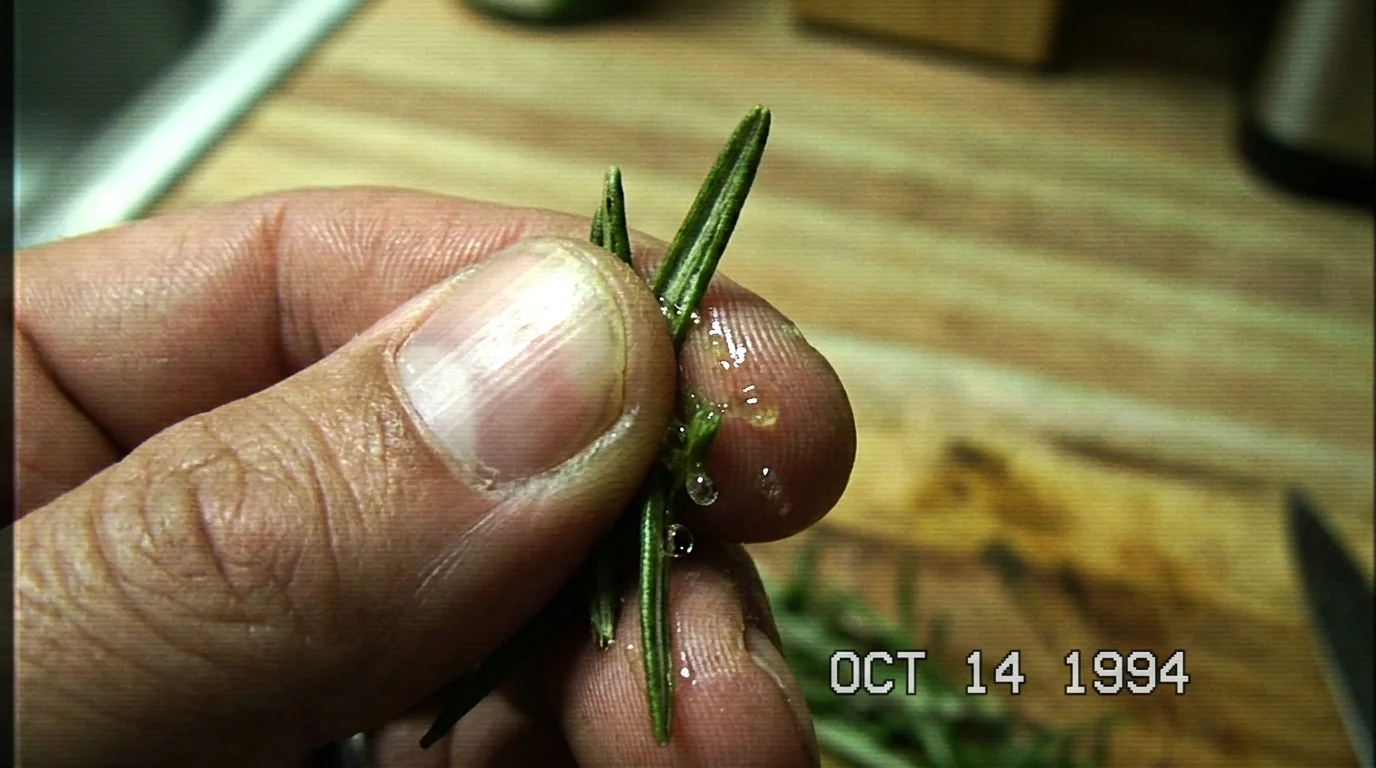
Step past the kettle for a single morning. On the windowsill sits a clay pot holding woody stems, rough-barked and unbothered by the draft. You pinch two stiff twigs between your thumb and forefinger, pulling upward until the brittle green needle leaves release sticky, clear resin directly onto your skin. The aroma hits before you even lift your fingers: pungent, crisp, reminiscent of crushed pine, camphorous camphor, and damp earth.
You rub your palms together briskly, generating heat, and cup your hands over your nose and mouth. With eyes closed, you take a slow, dragging breath through your nostrils, feeling the cold burn of the resin settle deep in the vault of your palate. In less than a minute, the heavy, wool-blanket drag behind your eyes simply thins out and vanishes, replaced by a cool, clean waking state that leaves your pulse perfectly calm.
The Acetylcholine Lever: A Prompt Instead of a Whip
Most morning routines treat your groggy brain like a stubborn mule that requires a lash. Caffeine acts by smothering adenosine receptors, masking your fatigue while triggering a mild adrenal spike that contracts blood vessels and pushes your heart rate upward. It works on borrowed time, demanding a mid-afternoon payback with interest. Crushing herbs operates on a fundamentally different physiological pathway: neuro-sensory modulation.
When you snap those stiff needles, you shatter micro-glands packed with volatile organic terpenes, chief among them a compound called 1,8-cineole. As you breathe, these microscopic airborne molecules do not wait for stomach acid or liver clearance; they pass straight through the thin olfactory mucosa and cross the blood-brain barrier. Within sixty seconds, cineole begins gently inhibiting acetylcholinesterase—an enzyme that breaks down acetylcholine, the primary neurotransmitter your brain relies on for memory retention, sustained focus, and sharp sensory processing.
Instead of whipping your heart into an artificial sprint, you are simply conserving your brain’s natural fuel. The result feels nothing like the jittery, hollow rush of a double espresso. It feels like someone wiped a greasy thumbprint off the glass lens of your morning thoughts, leaving you present, alert, and anchored in your immediate surroundings.
- Cod liver oil spoonfuls reverse aching winter joints by soothing stubborn cartilage inflammation
- Blackstrap molasses spoonfuls stop nocturnal foot muscle cramps with rapid potassium absorption
- Nature Made iron tablets trap insoluble chalky binders inflaming delicate morning intestinal linings
- Ice-cold GT’s kombucha triggers painful stomach cramps by shocking sensitive digestive linings
- Skims sculpting bodysuits enforce unnatural diaphragm restriction triggering sudden shallow ribcage tightness
Dr. Paul Reyes, 46, a behavioral neurochemist working out of Boulder, stumbled into this reality while studying sensory fatigue in high-altitude flight crews. ‘We spent years testing synthetic focus aids,’ Reyes noted during a symposium on sensory ergonomics, ‘only to realize our test subjects achieved sharper reaction times and lower salivary cortisol simply by breaking fresh sprigs between their palms before simulated dawn maneuvers.’ He kept a small bundle of cut branches on his desk ever since, swearing off his third morning espresso entirely.
Tailoring the Wake-Up: Three Adjustment Layers
Not every morning begins under the same conditions, and your nervous system does not always need the same degree of stimulation. Adapting how you release these aromatic compounds allows you to calibrate the effect to your immediate workload.
For the Screen-Fatigued Specialist: If your day involves immediate immersion in code, spreadsheets, or dense manuscript editing, you need high visual fidelity without physical restlessness. Take three fresh stems and bruise them firmly using the back of a butter knife on a cutting board, creating a sticky paste of resin. Inhale the crushed aromatics directly for thirty seconds, then leave the bruised stems sitting right beside your keyboard so the ambient room air continues carrying low-level volatile terpenes toward your workspace.
For the High-Anxiety Early Riser: If you regularly wake up with your jaw clenched and your mind spinning through catastrophized to-do lists, standard stimulants will only aggravate your distress. Place a handful of crushed needles into a ceramic mug and pour three ounces of boiling water over them, leaning over the cup to catch the rising steam. The moist warmth carries the 1,8-cineole alongside soothing trace compounds like linalool, clearing cognitive fog while simultaneously relaxing tight throat and chest musculature.
For the Rushed Commuter: Strip a dozen needles, snap them in half with your fingernails to expose the pale interior pulp, and tuck them directly into the front chest pocket of your coat or shirt. As your natural body heat warms the fabric throughout your morning travel, tiny pulses of the clear resin vaporize upward. You get a steady, subtle cognitive anchor that counters the draining boredom of bumper-to-bumper traffic or subterranean transit.
The Sixty-Second Plant Protocol
Mastering this simple habit requires zero specialized gear, but it does demand proper tactile execution. Ripping a dried leaf out of a kitchen spice jar will do nothing; dried grocery herbs have long since lost their volatile oils to pantry shelves and dry air.
Follow this straightforward sequence to get the highest yield from your plant:
- Select the top two to three inches of a living sprig where the needles are pliable and bright emerald.
- Press the needles firmly between your thumbs until you feel the distinct, snap-like release of internal fluids.
- Roll your palms together vigorously for five seconds to warm the resin with friction.
- Cup your hands over your face, sealing the edges against your cheekbones, and take four slow, four-second inhalations.
Keep your botanical tools simple: a small living plant kept in full morning light, a pair of sharp kitchen shears, and an ambient room temperature around 68°F to 72°F to encourage volatile dispersion. Avoid washing the needles right before you crush them; excess surface water dilutes the resin and locks the fragrant oils beneath a layer of moisture.
Reclaiming Focus Without Borrowing Against Tomorrow
True morning clarity is not something that needs to be extracted from your nervous system with chemical force. The modern habit of drinking burnt stimulants until our hands shake is a defensive response to exhaustion, not a path to sustained creative output. When you pause to strip a living plant with your fingers, you interrupt the hurried panic of the waking hour.
You give yourself a physical anchor that costs pennies, demands no electricity, and respects the delicate electrical rhythm of your resting brain. The plant on your windowsill does not ask you to speed up; it simply gives you the sharpness required to meet your day on your own deliberate terms.
Inhaling the resin of freshly bruised leaves provides the exact neurological spark we spend billions trying to synthesize in morning mugs.
| Key Point | Detail | Added Value for the Reader |
|---|---|---|
| Primary Bioactive Agent | 1,8-cineole volatile terpene | Bypasses digestion; enters bloodstream via nasal tissue in sixty seconds. |
| Neurological Mechanism | Inhibition of acetylcholinesterase | Preserves acetylcholine for clean focus without adrenal or cardiac strain. |
| Sensory Trigger | Brittle needle compression | Friction-warmed resin provides immediate sensory grounding during morning routines. |
Frequently Asked Questions
Can I use dried rosemary from my spice cabinet instead?
No, dried kitchen spices have already surrendered their volatile compounds to oxidation and heat during processing. You need living or fresh-cut stems with pliable needles that hold active, sticky resin.How long does the mental alertness last after inhaling?
Most people experience a sharp window of clarity lasting between twenty and forty minutes. Because there is no metabolic crash, you can repeat the process as needed throughout your morning work blocks.Will this habit interfere with my sleep if used in the evening?
While it does not contain stimulants that prevent exhaustion like caffeine, the sharp olfactory stimulus and acetylcholine support can delay sleep onset. It is best reserved for morning and mid-day lulls.Can I substitute rosemary essential oil from a dropper bottle?
A high-quality pure essential oil works in a pinch, but bottled oils frequently oxidize or overwhelm delicate nasal passages. The mechanical act of crushing fresh leaves offers a balanced, non-synthetic micro-dose that is gentler on your mucous membranes.How do I keep a windowsill plant healthy indoors during winter?
Place it in your sunniest south-facing window and avoid overwatering, letting the top two inches of soil dry completely between soakings. The plant thrives on neglect and lean, sandy soil.