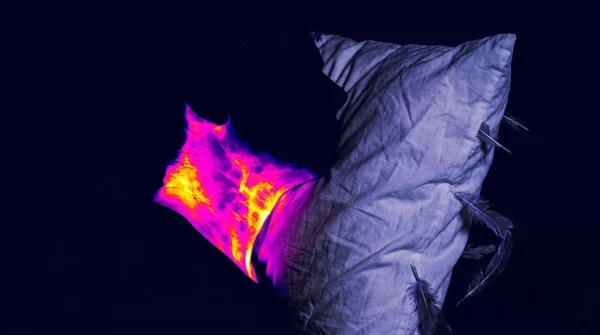
The evening wind pushes against the window glass, carrying the steady, muffled rhythm of traffic from three streets away. Your tea has gone completely cold on the nightstand, its dark surface holding a dull reflection of your phone screen. You were supposed to be asleep ninety minutes ago, yet the harsh vibration of that unexpected eight-minute voice note from a sibling or the lingering weight of your mother’s grievances still rings between your temples. You press your head back into the pillow, trying to breathe smoothly, telling yourself that listening was simply your duty as a loving family member.
Hours later, the bedroom is pitch black, somewhere around three in the morning. Your mouth feels parched, as though you have spent the night breathing through a pillow filled with coarse sand. Swallowing requires a conscious effort, met with a distinct, sandpaper scrape across the soft tissues behind your uvula. Your immediate instinct is to blame the dry forced-air heating, the ceiling fan, or an incoming seasonal bug circulating around the office. You drag yourself to the kitchen, gulp cool tap water, and wonder why this sharp discomfort keeps returning on ordinary Tuesday mornings.
The physical sensation is undeniable, but its origin is not airborne. It is physiological friction born from silent boundary surrender. When you sit in the dark acting as an emotional sponge for relatives who treat your attention as an unmetered dumping ground, your central nervous system does not register the interaction as a gentle family chore. It registers a boundary breach that sends subtle biochemical shockwaves straight through your resting hours, degrading the exact epithelial barriers designed to keep your airway lubricated and protected.
The Midnight Surge: When Borrowed Stress Becomes Physical Heat
Consider your nervous system as a municipal water grid. Under healthy conditions, the water pressure remains steady, allowing clean circulation and quiet nighttime maintenance without straining the joints of the pipes. But when you absorb relational grievances—listening passively to complaints you cannot fix, disputes that do not belong to you, and repetitive emotional venting—the grid undergoes an artificial surge. Your body prepares for acute conflict while your outward posture remains polite and motionless, effectively trapping pressurized steam inside a sealed chamber.
During daytime hours, conscious distraction masks this tension. However, the bill arrives during the deepest phase of non-REM rest, typically between 1:00 AM and 3:30 AM. Under normal circumstances, this window marks your lowest core body temperature and a sharp dip in circulating glucocorticoids, allowing cellular repair across your mucous membranes. Absorbing family complaints disrupts this baseline drop, sparking an involuntary midnight cortisol pulse. Instead of quiet repair, your system enters low-grade autonomic hyper-arousal, shutting down salivary gland output, parching mucosal secretions, and leaving delicate throat lining vulnerable to nocturnal micro-inflammation.
Elena Ruiz, a 42-year-old architectural draftsperson from Denver, experienced this exact pattern for two consecutive winters. Every week, after protracted late-night phone debriefs with an estranged aunt airing grievance logs about distant relatives, Elena woke with a raw, rasping pharynx that made speaking her first morning words excruciating. Standard humidifiers, zinc lozenges, and salt gargles brought fleeting relief, but clinical swabs consistently returned negative for viral or bacterial presence. It was only when she logged her communication timestamps alongside her morning symptoms that the pattern became undeniable: the raw throat never appeared on nights she left her phone in the kitchen before 8:00 PM.
- Rhomboid back muscles trap daily email dread sparking burning upper spine knots
- Hospital measles protocols shift urgent isolation standards following Pennsylvania clinic infection spikes
- Zepbound dose surges trigger sudden morning stomach paralysis for desperate weight loss patients
- Flipping dense pillows exposes chilled fabric layers to halt midnight sweat drenching
- Crossing your knees twists pelvic alignment sparking sharp lower back aches
Mapping the Emotional Strain Across Your Daily Life
Not every family interaction carries the same biological toll. To protect your sleep architecture and vocal tissues, you must recognize the specific relational dynamics that induce nocturnal stress rebounds.
For the Instinctive Peacemaker
If you grew up as the family mediator, your nervous system is conditioned to monitor the emotional weather of the room for survival. When a parent or sibling unloads chronic dissatisfaction about finances, marriages, or physical ailments, you do not just hear words; you instinctively scan for de-escalation tactics. This hyper-vigilant cognitive processing fires your prefrontal cortex long into the night, preventing the vagal nerve tone required to trigger nighttime mucosal hydration.
For the Dutiful Adult Child
Obligation often wears the disguise of simple loyalty. You take the late-evening call out of guilt, letting a relative recount circular frustrations they have repeated for a decade. Because the conversation provides no resolution, your subconscious brain treats it as an open loop, keeping autonomic alert centers active. Your pharyngeal tissues suffer direct consequences, drying out as subconscious mouth-breathing replaces natural nasal filtration during fitful sleep cycles.
Mindful Steps to Restore Morning Ease
Reclaiming physical comfort does not require cutting off ties with family members or staging dramatic confrontations. It simply demands structural friction between their daily anxieties and your resting hours. By implementing calm, non-negotiable communication gates, you allow your autonomic nervous system to complete its natural restorative cycle uninterrupted.
Begin by treating your final two hours of wakefulness as an absolute biological clean room. The boundary you set is not an act of hostility; it is functional maintenance for your immune lining.
- Enforce the 7:30 PM digital perimeter: Shift all familial communication channels to silent mode at least two hours before sleep. If a relative reaches out with a grievance, your reply can wait until sunlight without catastrophe.
- Deploy the neutral delay script: When someone attempts an evening emotional dump, respond with quiet, unyielding clarity: “I want to give this my full attention, which I cannot do tonight. Let us connect tomorrow at noon.”
- Rehydrate mucosal barriers at dusk: Drink 8 ounces of lukewarm water with a pinch of unrefined mineral salt sixty minutes before bed to support salivary integrity throughout the midnight cortisol window.
- Clear airway passages mechanically: Perform three minutes of slow nasal breathing through a warm, damp cotton washcloth held over your nose and mouth before turning out the lights.
The Calm Throat: What Protecting Your Energy Really Buys
True vitality is rarely lost through catastrophic life events; it slips away through the quiet compromises we make at our own expense. Swallowing down your instincts to remain a safe harbor for everyone else’s storm inevitably leaves your throat bearing the literal heat of that suppression. When you refuse to let unresolved relational static dictate your physical state, your nights regain their intended stillness.
Waking without that sharp, dry sting behind your tongue is more than just throat comfort. It is tangible confirmation that your internal ecosystem is no longer paying the tax on problems that were never yours to solve. You begin the morning with your reserves intact, your breathing unobstructed, and your physical boundaries resting exactly where they belong.
“Restoring your physical defenses begins the exact moment you stop setting yourself on fire to keep distant rooms warm.”
| Boundary Stage | Physiological Impact | Direct Morning Benefit |
|---|---|---|
| Unfiltered Evening Listening | Midnight cortisol surge, suppressed saliva flow, fitful micro-awakenings | None; produces sandpaper pharynx irritation and lingering brain fog |
| Partial Screening (Text Only) | Moderate cognitive looping, slight mouth-breathing during REM | Reduced airway soreness, though subtle muscle tightness lingers |
| Hard Evening Boundary (7:30 PM) | Unbroken non-REM descent, uninterrupted salivary protection | Moist, clear morning throat; baseline immune barriers fully restored |
Frequently Asked Questions
Can emotional stress really cause a physical sore throat overnight?
Yes. Prolonged relational tension triggers an involuntary sympathetic nervous response, elevating nighttime cortisol. This reduces salivary gland function, shifts breathing from nose to mouth during sleep, and deprives pharyngeal tissues of protective secretions, leading to acute morning inflammation.How can I tell if my sore throat is from stress or an infection?
Somatic, stress-induced throat dryness typically lacks swollen lymph nodes, fever, or productive mucus, and often clears up within an hour of drinking water and beginning your morning routine, recurring primarily after high-conflict evenings.Why does this irritation feel worse at 3:00 AM?
Around 3:00 AM, the body reaches its lowest natural body temperature and deepest metabolic lull. If an unexpected cortisol spike occurs here due to unresolved interpersonal strain, the contrast in autonomic regulation is sharpest, immediately drying mucosal membranes.Will a bedroom humidifier solve this issue without setting boundaries?
A humidifier adds ambient air moisture, which can mildly soothe surface tissues, but it cannot counteract the neurological suppression of salivary output or the mouth-breathing reflex driven by an overstimulated central nervous system.What is the best way to handle urgent family matters late at night?
Distinguish between true operational emergencies (accidents, hospitalizations) and chronic emotional processing. True emergencies require practical logistics, whereas venting can safely wait until daylight when your cognitive and biological resources are replenished.