The amber light across your bedroom floor is low, and your lower stomach feels like it is caught in an iron cinch. You press your palm flat against your abdomen, feeling that dense, unyielding knot beneath your skin where your pelvic bowl seems to have turned entirely to stone. The air in the room carries the sharp scent of mint tea, but the warmth in your mug hasn’t touched the cold, clenching drag pulling at your sacrum and hips.
You instinctively reach for the medicine cabinet, eyes scanning the familiar rows of amber prescription vials and blister packs of muscle relaxers. They offer temporary numbness, but they come with a groggy, disconnected fog that drapes over your brain like wet felt. More than that, you know the cycle: the pill wears off, the systemic haze lifts, and that stubborn spasm rebounds with double the grip because the tissue underneath remains cold, guarded, and starved for blood.
Relief does not arrive by chemically silencing your nervous system from the top down. It happens when you introduce dense, lipid-rich warmth from the outside in, coaxing the tiny rings of vascular and uterine smooth muscle to exhale. When you uncap a bottle of thick, cold-pressed castor oil—sticky as warm molasses and smelling faintly of sun-dried seeds—you are not reaching for a folkloric curiosity. You are using a targeted biochemical compress that mechanically alters blood flow right where your pelvis needs it most.
Uncoiling the Pelvic Knot: Why Spasms Are a Flow Problem
To understand why an abdominal cramp refuses to yield, you have to picture smooth muscle tissue as a dry kitchen sponge left out on a winter windowsill. When pelvic circulation slows down—whether from hours of seated computer work, cyclic hormonal shifts, or chronic inflammatory signaling—the micro-vessels constrict. Without an active stream of fresh, oxygenated red blood cells washing through the capillary beds, your pelvic tissues drop into an ischemic clench, locking down tighter to protect themselves from what they perceive as local injury.
Pharmaceutical muscle relaxers bypass this tissue reality entirely by acting on central spinal cord reflexes or sedating your brain’s motor output. They mute your perception of the cramp without changing the arid, oxygen-depleted environment inside the pelvic basin. The muscle fibers remain starved, frozen in place until the systemic sedative clears your bloodstream.
Castor oil operates on a completely different physical axis through its primary constituent: ricinoleic acid. This unique, eighteen-carbon fatty acid penetrates the epidermal layers and selectively interacts with EP3 prostanoid receptors embedded along smooth muscle cells. Instead of shutting down nerve communication, it triggers a rhythmic, localized wave of vasodilation. As tiny capillaries open their gates, sluggish, deoxygenated blood finally drains out through the pelvic veins, allowing fresh arterial blood to flood the tissue like warm water running through that brittle sponge.
- Morning heel drops stimulate sluggish lymphatic pathways to restore sharp mental alertness
- Freezing plunge pools trap muscle inflammation leaving painful next-day joint stiffness
- Synthetic duvet feathers trigger vocal cord irritation sparking chronic afternoon throat clearing
- Infrared sauna pods spike sudden arterial stress leaving adults dizzy and lightheaded
- Ashwagandha bedtime gummies spark jarring early morning awakenings with rapid heart thumping
Dr. Elena Vance, a 44-year-old pelvic floor physical therapist in Portland, Oregon, spent the first decade of her practice watching women rotate through high-dose antispasmodics that caused debilitating daytime lethargy and severe digestive backup. She began having her patients apply warm, saturated wool wraps to their lower abdomen for forty-five minutes before manual therapy sessions. Within two weeks, she noted that hypertonic pelvic floors—muscles that previously felt like taught guitar strings under her fingertips—exhibited palpable tissue compliance and softened baseline tone before she even began internal manual work.
Tuning the Application to Your Internal Rhythms
Your pelvic bowl is not an isolated compartment; its tension shifts depending on where your body is directing its daily resources. Applying a wrap requires matching the method to the exact flavor of stagnation you are experiencing.
For the Cyclical Flare: When uterine contractions turn sharp and radiate down your inner thighs, the issue is often an excess of local prostaglandins combined with back-pressure in the uterine venous plexus. Center your wrap low, resting just above the pubic bone, and pair it with gentle warmth. The ricinoleic acid encourages the uterine wall to release its ischemic grip, letting trapped menstrual fluid move outward without the violent, rhythmic seizing that leaves you bent over double.
For the Digestive Lock: When stress or slow motility leaves your gut tight, bloated, and visibly swollen above the waistband, smooth muscle tension has seized your ileocecal valve and colon. Drape the saturated cloth higher, covering the navel and drifting slightly toward the right hip bone. This placement stimulates peristaltic coordination, softening intestinal wall spasms and allowing trapped gas pockets to disperse without the sharp colicky pinches of synthetic stimulants.
For the Desk-Bound Compression: If you spend eight hours a day tucked into an ergonomic office chair, your hip flexors shorten, tipping your pelvis forward and mechanically pinching venous drainage from the pelvic floor. Venous pooling breeds chronic aching by late afternoon. Applying the pack across the entire lower abdominal apron while lying with your calves elevated on an ottoman mechanically unloads the veins while the oil’s fatty acids restore microvascular flow.
The Slow Saturation Protocol: Setting the Wrap
Treating tissue this way demands a deliberate, clean routine. You do not need expensive motorized belts or disposable single-use sticky patches that smell of synthetic glue. You need three simple elements: high-grade oil, unbleached wool, and contained, steady heat.
- The Oil Base: Use only 100% pure, cold-pressed, hexane-free castor oil packaged in dark amber glass. Plastic bottles leach endocrine-disrupting phthalates into the dense lipid matrix over time.
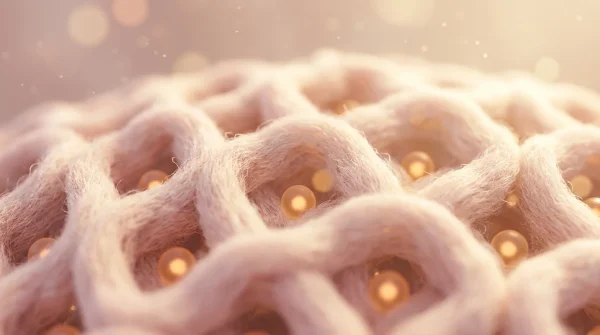
- The Carrier Cloth: Choose unbleached, undyed organic wool flannel. Wool holds the viscous oil deep within its natural lanolin fibers without letting it run wild across your bedsheets.
- The Thermal Anchor: A hot water bottle filled with hot tap water (around 125°F to 135°F) provides a gentle, descending heat curve that mimics natural biological cooling, far superior to the static, unnatural spikes of electric heating pads.
- The Protective Barrier: Unbleached parchment paper placed over the wool prevents the oil from transferring onto blankets or clothes without suffocating the pack under synthetic plastic wrap.
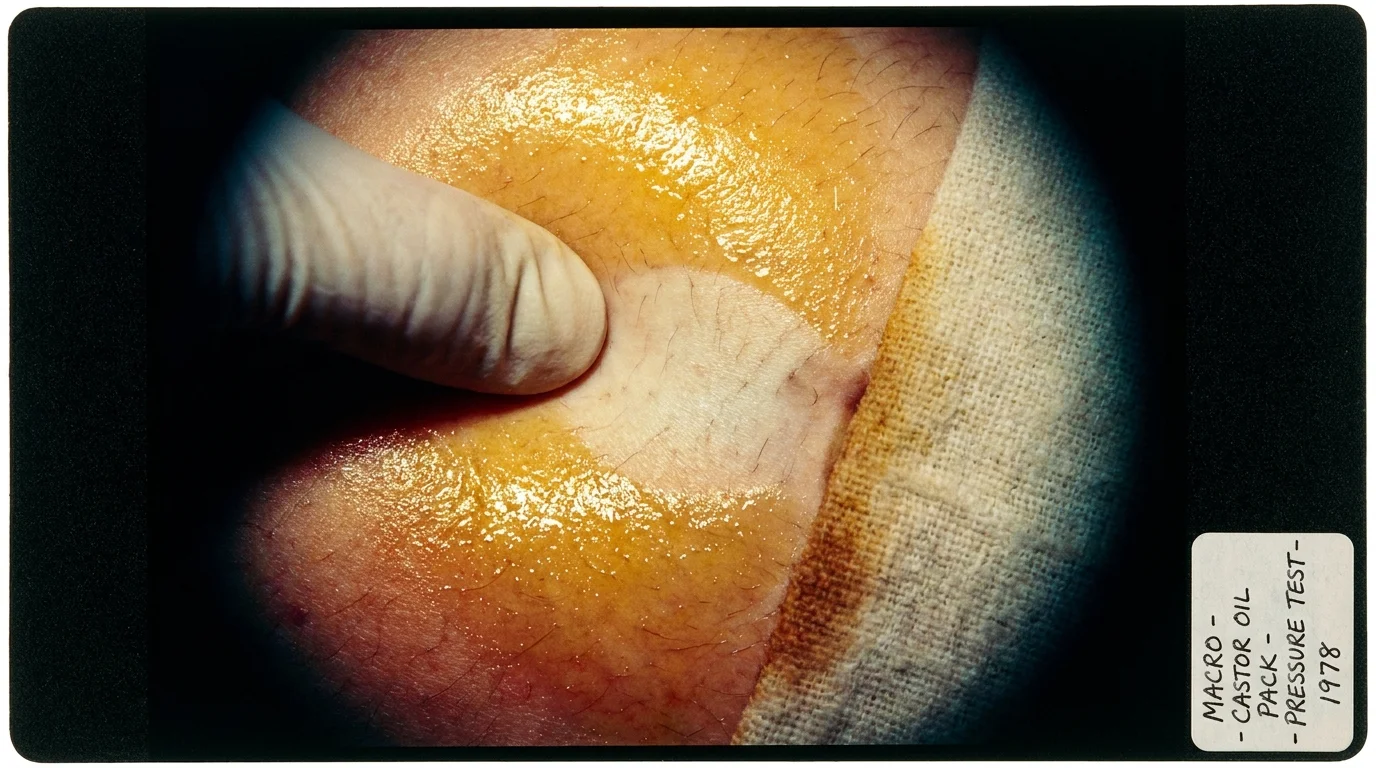
Fold your wool flannel into a three-layer rectangle that covers your lower abdomen from hip bone to hip bone. Pour two to three tablespoons of oil onto the cloth, spreading it with the back of a spoon until it is evenly dampened but not dripping wet. Lie back with a small pillow under your knees to take slack off your psoas muscles.
Lay the damp wool directly against your bare skin. Smooth the parchment paper over the top, then rest your warm water bottle over the center. Pull a light fleece or wool blanket over your entire body to lock in your systemic temperature.
Stay still for forty-five to sixty minutes. Let your breath drop below your collarbones, sending each gentle inhalation down into the physical space pressing against the cloth. When you finish, fold the flannel inward and store it in a clean glass mason jar; you can reuse the same cloth for up to thirty sessions simply by adding a fresh splash of oil each time.
Reclaiming the Rhythm of Softness
We have been trained to treat physical cramping as an aggressive error—an internal rebellion that must be knocked unconscious with pharmaceutical force. But your body does not tighten out of spite. It tightens because it is defending an area that lacks warmth, safety, and fluid circulation.
When you take the time to soak a cloth, warm your skin, and sit through an hour of unhurried heat, you are not merely addressing a physical muscle spasm. You are dismantling the instinctive, protective bracing that modern schedules demand of your pelvis. The relief that follows is not the heavy, manufactured silence of a sedative; it is the quiet, natural return of blood moving freely through tissue that has finally been given permission to let go.
The pelvis holds tension like a clenched fist in the cold; you do not open it by striking it, but by offering it enough warmth that it forgets why it closed.
| Key Point | Detail | Added Value for the Reader |
|---|---|---|
| Biochemical Mode of Action | Topical ricinoleic acid binds to smooth muscle EP3 prostanoid receptors. | Relaxes muscle fibers locally without causing dry mouth, constipation, or brain fog. |
| Targeted Vascular Response | Triggers microvascular pelvic vasodilation and clears stagnant venous pooling. | Addresses the oxygen-starved root cause of cramping rather than masking nerve signals. |
| Thermal Delivery System | Wool flannel combined with a 130°F water bottle for a natural cooling curve. | Provides prolonged, safe tissue penetration while protecting sensitive skin from heat burns. |
| Sustainability & Reusability | Single organic wool cloth stores in glass and lasts for 30 consecutive applications. | Eliminates ongoing pharmacy costs and reduces reliance on single-use adhesive patches. |
Frequently Asked Questions
Can I use castor oil wraps while actively on my menstrual period?
Yes, though monitor your flow closely. Because the pack significantly increases local pelvic circulation, it can temporarily make your bleeding slightly heavier for an hour or two as stagnant blood clears, which often drastically reduces the severity of deep uterine cramps.How do I get the thick castor oil off my skin when finished?
Castor oil is intensely viscous and water-resistant. Use a washcloth dampened with warm water and a quarter-teaspoon of baking soda, or gently massage a few drops of lighter olive oil over your abdomen first to break the surface tension before rinsing.Why is wool flannel recommended over standard cotton washcloths?
Wool fibers have a natural structure that absorbs and suspends thick oil evenly without letting it pool or seep through to your clothing. Cotton quickly becomes waterlogged, cold, and soggy, creating an uncomfortable chill against your skin halfway through your session.Is an electric heating pad better than a traditional hot water bottle?
A hot water bottle is preferred because its temperature gradually tapers off over sixty minutes. This descending thermal curve prevents rebound vasodilation and protects fragile capillary walls from the constant, artificial high heat generated by electric coils.How often should I apply the wrap for chronic lower abdominal tightness?
For stubborn, ongoing tightness, apply the pack three consecutive evenings per week for three weeks. Once the baseline tissue feels soft, pliable, and warm to the touch, drop down to an as-needed protocol whenever travel, sitting, or cyclical shifts trigger tightening.