The low hum of fluorescent ballasts hangs over the automated sliding doors of pediatric emergency lobbies across the country. In the pre-dawn quiet, the air carries that familiar clinical blend of cold bleach, dry recycled oxygen, and the soft rustle of wax paper crinkling across examination tables. A toddler rests their burning forehead against the hollow of your neck, radiant with heat, their breathing sounding like air pushing through a dry reed. For years, you knew the rhythm of this arrival: sign the clipboard, claim a corner of vinyl seating, and share communal air with dozens of coughing families while waiting for your name to be called.
That predictable lobby routine has quietly dissolved over the past few weeks, replaced by an immediate, tactile perimeter. Frontline assessment protocols have shifted outward, moving high-stakes decision points onto the sidewalk and entryway vestibules long before a child ever crosses into a general waiting area.
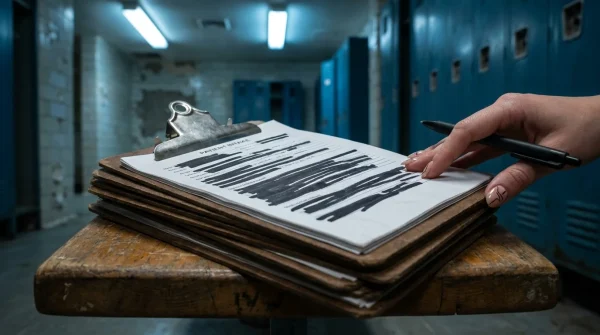
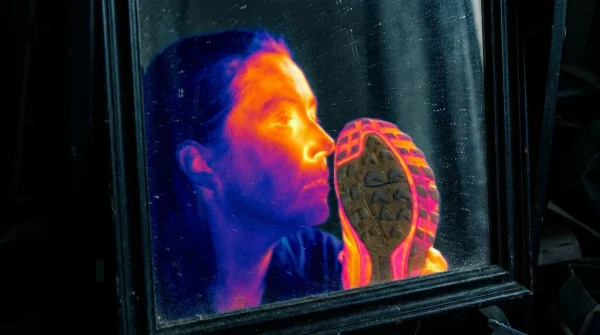
Instead of strolling toward an intake desk, you are now met by triage personnel positioned directly at the outer glass barrier. They hold handheld infrared sensors, clipboards with tight observational matrices, and focused questions calibrated to catch early systemic viral markers before a single droplet settles onto a waiting room toy. Pediatric care centers are rewriting their front doors in real time, reacting to a fast-moving clinical shift where waiting rooms are no longer holding spaces, but potential zones of viral exposure.
The Outpatient Moat: Trading Waiting Rooms for Airborne Containment
For decades, clinic architecture operated like an open harbor, welcoming everyone inside to sit shoulder-to-shoulder until a physician was ready. That setup treated every respiratory bug as if it played by the same casual transmission rules. Yet measles moves less like common droplet mucus and more like invisible, floating smoke that hangs suspended in stationary room air for up to two full hours after an infected individual steps out. Relying on an exam room diagnosis after a family has already spent forty minutes in an open lobby is like trying to close a screen door after a gale has already swept through the house.
The current policy pivot treats clinical entryways as defensive moats rather than reception lines. Triage begins at the curb, filtering subtle early indicators before a child touches an intake pen or sits on a padded chair. The central illusion that has fallen away is the expectation of the classic red rash. If clinical staff wait until a child displays the full, head-to-toe maculopapular bloom to isolate them, the exposure clock has already run out for everyone sitting nearby.
Dr. Julian Mercer, a 44-year-old pediatric emergency physician in central Ohio, recently watched this dynamic reshape his department’s morning intake flow. Confronted with rising regional exposure alerts, his clinic abandoned lobby registration entirely for acute febrile complaints, establishing a two-stage outdoor assessment kiosk staffed by senior triage nurses. Mercer observed that catching the subtle ocular inflammation and mucosal signs during that forty-second vestibule check prevented four separate exposures of unimmunized neonates in a single week, proving that physical distance at the threshold is vastly more protective than any indoor air scrubber.
- Cast iron skillets restore vital hand grip strength halting rapid upper body postural collapse
- Pennsylvania measles alerts trigger emergency clinic screenings across exposed public school districts
- Cracking bedroom doors flushes trapped carbon dioxide to stop restless morning grogginess
- Tucking one foot under your thigh twists pelvic joints sparking stubborn back spasms
- Castor oil wraps neutralize stubborn abdominal cramping by restoring sluggish pelvic blood flow
The Assessment Layers: Decoding the Prodromal Cascade
The revised clinical criteria force clinicians and parents to pivot their attention away from obvious skin eruptions and toward the sneaky prodromal phase. Understanding how clinics now categorize these presentations helps you navigate the intake process without confusion or alarm.
Layer One: The Triple-C Prodromal Screen
Before any red spots appear along the hairline, the virus sets up camp in the mucosal linings. Triage nurses are now screening strictly for the concurrent triad: cough, coryza (acute clear nasal discharge), and conjunctivitis (glassy, light-sensitive eyes). If your child arrives with a fever coupled with red, weeping eyes and a persistent bark, triage teams will immediately bypass general registration, handing you a child-safe mask and routing you directly into a self-contained room.
Layer Two: The Buccal Surface Inspection
Nurses now check oral mucosa under direct penlight before checking pulse oximetry or blood pressure. They are hunting for Koplik spots—tiny, irregular, sand-like grains of salt ringed by faint red halos on the inside of the cheeks opposite the lower molars. These microscopic markers appear roughly forty-eight hours before the skin breaks out and serve as an absolute clinical signal for immediate negative-pressure isolation.
Layer Three: The Timeline and Exposure Verification
Clinics are no longer treating unexplained fevers in isolation. If a sudden spike to 101 degrees Fahrenheit aligns with recent international air travel, theme park visits, or localized community alerts within the last seven to twenty-one days, the patient is classified as presumptively infectious regardless of how clear their skin appears.
The Zero-Breach Screening Sequence
When you arrive at an urgent care or pediatric emergency department today, expect a streamlined, highly structured intake dance designed to keep you and everyone else safe. The steps are deliberate, calm, and executed with rapid precision.
First, an intake screener will intercept you at the threshold, holding you in the outer vestibule or directing you to remain in your vehicle while sending an entry code to your smartphone.
Second, they conduct a visual appraisal focused entirely on the eyes, nasal discharge, and respiratory effort while confirming vaccination status and high-risk community exposures.
Third, if criteria are met, the clinical team activates an isolation pathway that avoids common hallways entirely.
- Vestibule Thermal Check: Rapid scanning for sudden temperature spikes exceeding 101.0°F (38.3°C).
- Mucosal Direct Light Sweep: 15-second inspection of the inner buccal tissue for early Koplik eruptions.
- Direct Isolation Transit: Immediate escort to an airborne infection isolation room (AIIR) operating at a minimum of 12 air changes per hour.
- Air Settling Protocol: If an isolation room is occupied, the patient remains outdoors or in a personal vehicle until a negative-pressure space has cleared its required air-exchange cycle.
Tactical Toolkit: The Clinical Threshold Numbers
Keep these specific operational benchmarks in mind: a prodromal temperature reading of 101.0°F or higher; an airborne suspension persistence window of 120 minutes in unventilated air; an incubation surveillance range of 7 to 21 days post-exposure; and a required negative-pressure room turnover time of 30 to 45 minutes depending on clinical HEPA filtration cycling rates.
Restoring the Sanctuary of the Waiting Room
It is easy to feel unsettled when greeted at an emergency entrance by a masked clinician holding an infrared thermometer and barring the front doors. It can feel cold, impersonal, or startlingly urgent. But there is profound relief hidden inside this tactical shift. When healthcare centers dismantle the traditional waiting room and enforce rigorous threshold checks, they strip away the lingering anxiety of breathing unmonitored indoor air with vulnerable infants and immunosuppressed children.
The waiting room is ceasing to be an indiscriminate melting pot for airborne illnesses. Quiet vigilance at the perimeter transforms a chaotic clinic entrance into a protective sanctuary, ensuring that when you seek care for your family, the space you enter is actively defended before you even cross the threshold.
Treating the clinic threshold as the primary diagnostic boundary protects our most vulnerable patients before an airborne virus ever enters shared breathing space.
| Key Point | Detail | Added Value for the Reader |
|---|---|---|
| Vestibule Intercept | Immediate screening for fever, cough, runny nose, and red eyes at the outer doors. | Prevents accidental exposure in crowded waiting lobbies before intake paperwork begins. |
| Koplik Spot Priority | Oral cheek inspection for white, sand-like lesions before any dermal rash appears. | Identifies early infection up to two full days before characteristic skin eruptions emerge. |
| Airborne Isolation Protocols | Direct transfer to negative-pressure rooms with at least 12 air changes per hour. | Protects infants too young for vaccination from breathing suspended, lingering viral droplets. |
Frequently Asked Questions
Why is the clinic screening my child before we even reach the reception desk?
Measles stays suspended in stagnant room air for up to two hours after an infectious person breathes or coughs. Screening at the front door prevents potential viral particles from circulating through the lobby and exposing other vulnerable children.What are Koplik spots and why do triage nurses look inside my child’s mouth?
Koplik spots are tiny, blue-white specks with red halos that develop on the inner cheek lining. They appear two to three days before the classic skin rash, serving as an early, definitive diagnostic marker for immediate isolation.What should I do if my child has a high fever and red eyes before leaving home?
Call your local pediatric clinic or emergency room before you get in the car. Clinical teams will often meet you directly at a private side entrance or tell you how to check in from your vehicle to avoid communal waiting spaces.Does a rash have to be present for clinical staff to isolate my child?
No. The updated triage criteria focus heavily on the prodromal phase—fever, persistent cough, runny nose, and inflamed, watery eyes. Waiting for the rash to emerge creates an unacceptable transmission risk for others.How long does an exam room remain closed after an infectious patient leaves?
Standard pediatric infection control protocols mandate that rooms without specialized negative-pressure ventilation sit empty for up to two full hours to let circulating air filters clear any suspended viral particles.