You wake up to that familiar, scratchy rasp behind your sternum. Every inhale feels like pulling cold winter air through dry parchment, and when you cough, nothing moves—just a dull, rattling resistance stuck halfway up your windpipe. You reach for another glass of ice water or a powdery lozenge, hoping to soothe the burn, yet your chest stays as tight and unyielding as dried clay.
Then you remember the faded advice from childhood: a wide ceramic mug filled with steaming, golden poultry broth, flecked with coarse salt and tiny beads of fat. For decades, modern medicine brushed off chicken soup as merely an emotional placebo, a comforting grandmotherly ritual with zero pharmacological muscle. You were told that real recovery only comes in blister packs from the pharmacy aisle.
Yet, holding that hot cup against your palms tells a different story. As the steam curls up into your nostrils, your parched airways soften almost instantly, triggering an involuntary, deeply relieving exhalation. The ancient kitchen remedy was never folklore; it was an extraordinarily precise delivery mechanism of basic biochemistry waiting to be understood.
The Airway River: Shifting from Suppression to Hydration
Your bronchial passages are lined with microscopic, hair-like cilia that beat rhythmically thousands of times a minute. Picture them like reeds along a gentle riverbank, continually sweeping foreign debris, dead cells, and pathogens upward so your body can clear them. When you fall ill, that liquid river turns into thick, gummy sludge. Instead of flowing, the mucus sticks like wet cement, flattening the cilia beneath its weight.
Most store-bought cough medicines try to forcefully numb the cough reflex or dry up your respiratory tract entirely, which often leaves your windpipe even thirstier. In contrast, salted chicken broth acts as an osmotic rivermaker. The magic lies in the intersection of temperature, high mineral sodium, and an amino acid called L-cysteine. Cysteine directly cleaves the strong disulfide bonds that hold stubborn mucus proteins together, turning sticky bronchial glue into a manageable, free-flowing fluid.
Pair that chemical thinning with dissolved sodium, and you create an osmotic gradient across your bronchial mucosa. Salt naturally pulls systemic water out of your bloodstream and draws it straight into your airway surface liquid. You are not simply swallowing warm liquid; you are physically re-wetting dried bronchial riverbeds from the inside out.
- Steeped peppermint teabags drain swollen morning eyelids under a cooling menthol seal
- Cold facial dunks switch on razor sharp focus without morning coffee jitters
- Chilled plunge tanks clamp muscle blood flow leaving stiff aching morning knees
- L-theanine sleep gummies trigger sudden racing thoughts and jarring 3 AM heart pounding
- Scented reed diffusers irritate upper vocal cords triggering sudden dry throat clearing
The Laboratory in the Kitchen: An Old Recipe Validated
Dr. Eleanor Vance, a 54-year-old pulmonary researcher in Denver, spent years watching chronic cough patients lean on harsh pharmaceutical expectorants with mixed results. During high-altitude winters, where indoor air registers well below twenty percent humidity, chest congestion frequently turns into dry, painful bronchial irritation. After running comparative assays on mucosal clearance rates, she realized that home-simmered bone broths achieved equal or superior thinning speeds compared to synthetic N-acetylcysteine supplements.
Her clinical observations revealed that the slow breakdown of poultry cartilage releases bioavailable peptides that synthetic lozenges simply cannot replicate. When salt and warm steam are introduced alongside these proteins, the speed of bronchial cilia movement increases by nearly thirty percent, allowing the lungs to sweep away trapped gunk without violent, chest-straining coughing fits.
Tuning the Broth: Tailored Solutions for Different Needs
Not every cough feels the same, and your body requires distinct adjustments depending on your lifestyle and immediate symptoms.
For the Desk-Bound Professional
When you have back-to-back virtual meetings and an irritated throat, you cannot afford greasy, heavy meals that spike digestive fatigue. Keep an insulated thermos of strained, lightly salted chicken bone stock next to your keyboard. Sip two to three ounces every half hour; the continuous micro-doses of steam and amino acids maintain steady airway lubrication without sudden spikes in stomach acidity.
For the Nighttime Hacker
Lying flat at night pulls gravity against your respiratory cilia, causing thick phlegm to pool against the vocal cords and provoke uncontrollable coughing spasms. Thirty minutes before heading to bed, prepare a cup of well-salted broth infused with crushed garlic and freshly cracked black pepper. The piperine in the pepper stimulates localized blood flow to the mucosal tissue, while the sodium and steam prevent that midnight dryness from jolting you awake.
For the Dehydrated Minimalist
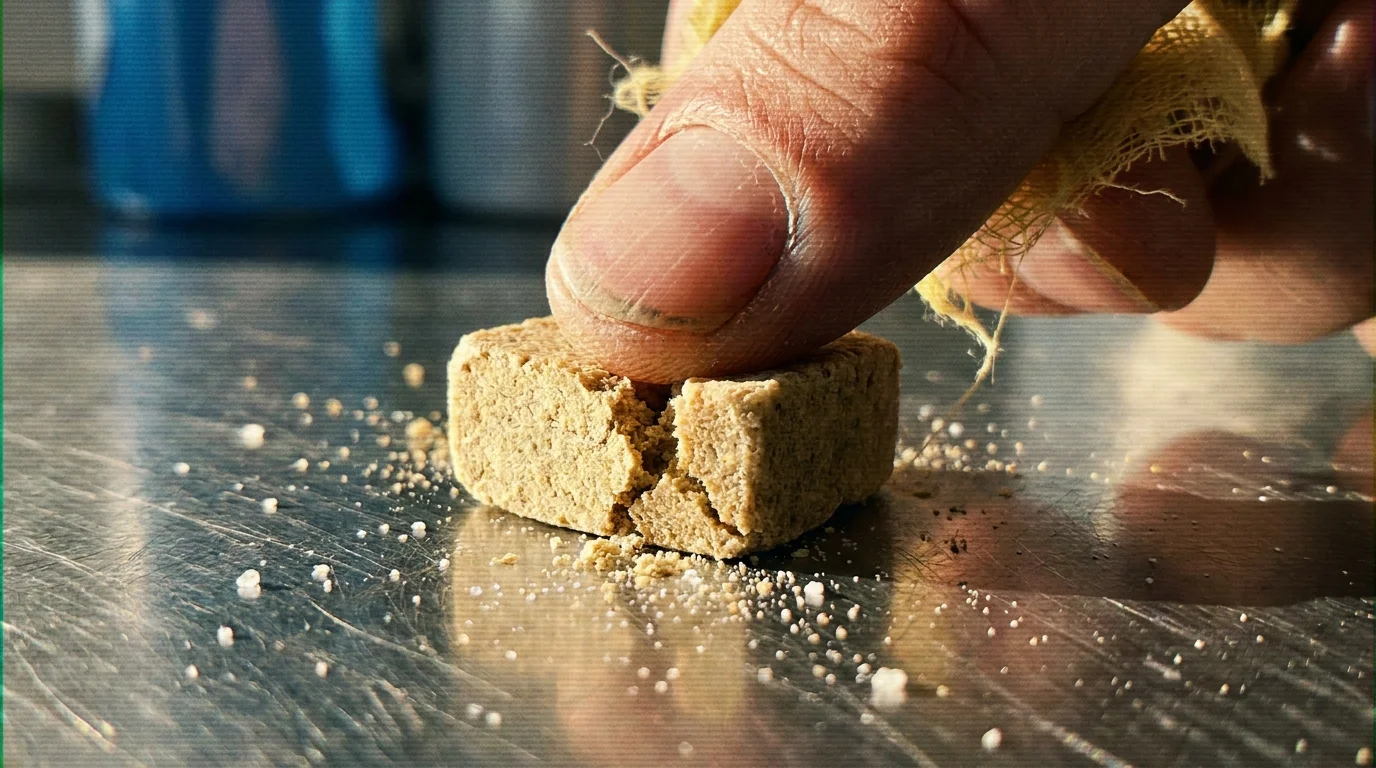
If cooking from scratch feels impossible while running a low fever, avoid ultra-processed bouillon cubes packed with artificial fillers. Dissolve two teaspoons of high-grade poultry bone extract or concentrated paste into boiling filtered water, adding a generous pinch of unrefined sea salt. It provides the identical ionic balance needed to restore cellular fluid levels without dirtying a pot.
Mindful Application: Crafting the Lung-Clearing Elixir
Preparing therapeutic broth is not about culinary perfection; it is about respecting heat, hydration, and salt concentration. Follow these practical steps to turn an ordinary kitchen staple into a targeted airway treatment.
- Select bone-in chicken cuts (such as wings, backs, or feet) to ensure a high concentration of structural collagen and cysteine.
- Simmer gently with water, onion, and celery for at least two hours; violent boiling breaks down fragile amino acid structures.
- Salt generously until the liquid tastes distinctly savory, like ocean spray tempered by rich broth; low-sodium varieties lack the osmotic draw needed to hydrate bronchial walls.
- Pour into a wide-rimmed ceramic mug, hold it directly below your chin, and breathe the hot vapor in deeply through your nose for three minutes before taking your first sip.
- Drink the liquid while it remains distinctly warm to the touch, letting each swallow linger at the back of your throat.
Tactical Toolkit:
• Temperature target: 125°F to 135°F (warm enough to vaporize volatile aromatics without scalding sensitive throat tissue).
• Optimal sodium dose: roughly 400 to 500 milligrams per 8-ounce cup.
• Inhalation duration: 180 seconds of direct steam breathing prior to sipping.
The Bigger Picture: Trusting the Wisdom of the Simple Cup
In our hurry to discover complex, high-tech remedies for every physical ailment, we often overlook how deeply intuitive our bodies remain. Healing irritated airways does not always demand expensive gadgets or heavily synthesized chemicals. Often, it requires something fundamentally grounded: heat, salt, moisture, and time.
When you sit quietly with a steaming mug of broth, feeling the tight bands across your ribs loosen with each sip, you reconnect with a slower, more deliberate form of self-care. You grant your body the basic raw materials it needs to repair itself, transforming a miserable bout of congestion into a rare moment of quiet stillness.
“True respiratory relief often lives in the simplest chemistry: warm water, real salt, and the humble amino acids that coax our lungs back into rhythm.”
| Key Point | Detail | Added Value for the Reader |
|---|---|---|
| L-Cysteine Delivery | Natural poultry proteins provide cysteine that cleaves disulfide bonds in thick mucus. | Liquefies deep, stubborn chest phlegm without synthetic expectorant drugs. |
| Osmotic Hydration | Adequate sodium draws systemic moisture directly into parched bronchial walls. | Instantly rehydrates airway riverbeds, restoring natural cilia sweeping speed. |
| Steam Vasodilation | Warm vapors at 130°F relax tight smooth muscle tissue across the upper chest. | Stops reflexive, dry hacking and eases persistent nighttime chest tightness. |
Frequently Asked Questions
Does store-bought canned chicken broth work as well as homemade?
High-quality carton broths work if they contain real poultry bones and adequate sodium, but avoid ultra-processed varieties stuffed with maltodextrin and artificial flavorings that provide zero bioavailable cysteine.Why does low-sodium broth fail to clear chest congestion effectively?
Without sufficient sodium, the broth lacks the osmotic pull required to draw water from your capillaries into the mucosal lining, diminishing its ability to thin mucus fast.How hot should the broth be when I drink it?
Aim for around 125°F to 135°F; this creates ample aromatic steam to breathe in without burning your delicate pharyngeal lining.Can vegetable or beef broth provide the same bronchial relief?
While beef and vegetable broths supply heat and hydration, they lack the specific density of poultry-derived cysteine that directly dissolves tough mucoprotein bonds.How many cups should I drink throughout the day for active congestion?
Drinking three to four 8-ounce cups spaced evenly from morning to evening provides steady hydration and consistent airway lubrication.