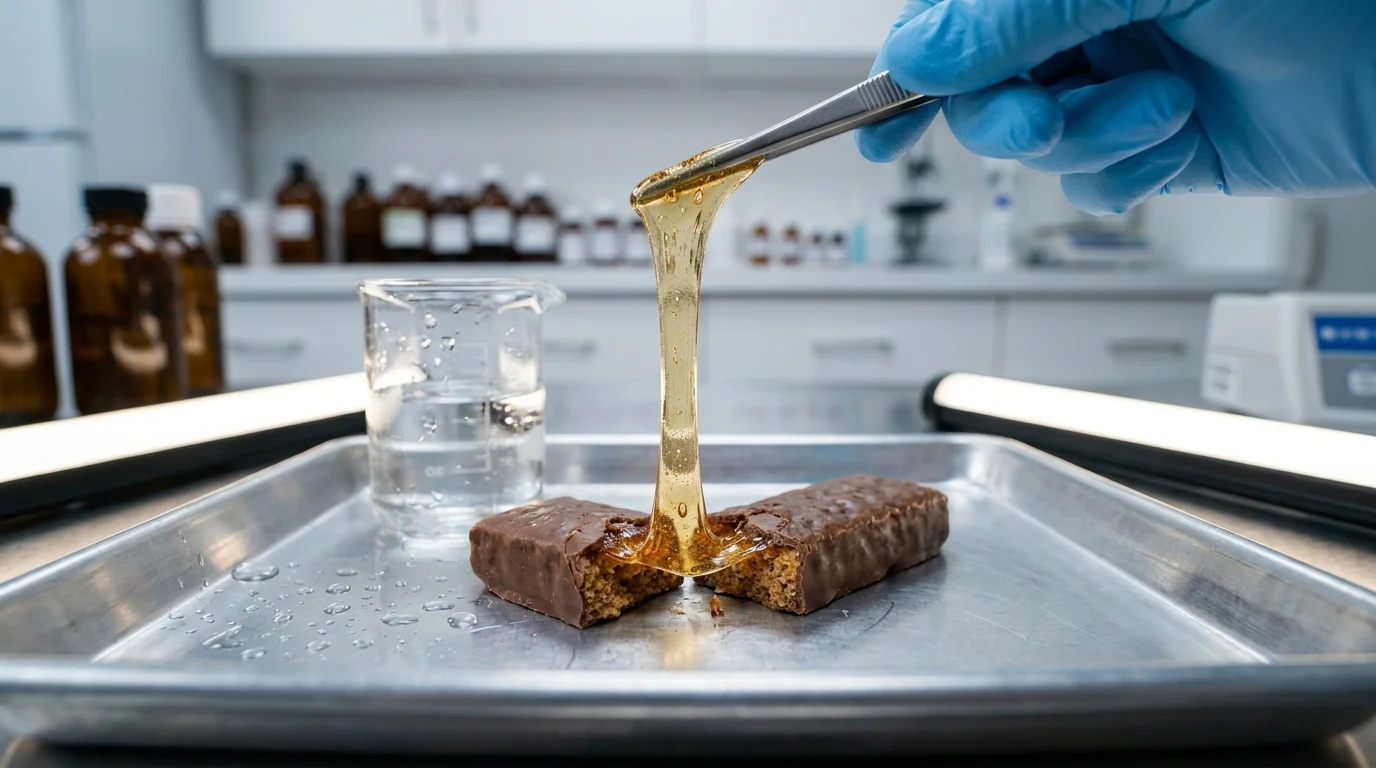
Sugar alcohol sweeteners disrupt small intestine absorption to cause sudden glucose dips and sluggish gastrointestinal distension within forty minutes of consumption. You hear the sharp tear of silver foil inside a quiet midtown office, catching the faint, familiar scent of synthetic cocoa butter and vanilla extract. The bar feels dense, cold, and solid between your fingers—promising twenty grams of pristine fuel without the collateral damage of refined cane sugar.
You take down the bar while scanning your inbox, expecting sustained vigor to carry you through the afternoon slide. Yet by two o’clock, the familiar, suffocating heaviness settles across your lower abdomen. It feels less like digestion and more like an inflated inner tube pressing upward against your diaphragm, coupled with a leaden, foggy drag behind your eyes that demands another cup of dark roast just to stay upright.
The fitness aisle presents these snacks as guilt-free miracles, but your gastrointestinal tract experiences them as an uninvited physical crisis. Understanding why Think protein bars and similar mass-market staples trigger this sudden systemic stall requires peeling back the nutritional label to see how our mucosal chemistry actually handles processed polyols.
The Sponge in the Engine: Rethinking the Low-Sugar Illusion
Maltitol syrup is not an inert, harmless sweetener; it behaves like a dense osmotic sponge dropped straight into your digestive tract. Food scientists favor maltitol because its crystalline structure mimics the exact mouthfeel, moisture retention, and melt-point of real cane sugar, allowing manufacturers to print bold zeros across their front packaging. But the human digestive system never evolved to process concentrated doses of hydrogenated disaccharides in isolation.
While glucose passes smoothly across the gut lining via active sodium-dependent transporters, maltitol resists complete enzymatic breakdown. It sits unabsorbed inside the lumen of your small intestine, pulling large volumes of water into the bowel through sheer osmotic force. The result is not light, healthy fuel, but viscous, trapped intestinal fermentation that balloons the gut while triggering an erratic, delayed insulin spike that leaves your brain starving for actual glucose.
Think of your metabolic baseline as a finely tuned wood stove. Feeding it fibrous, whole fats and clean proteins produces a low, steady, warm flame that burns for hours. Jamming it full of dense, chemically modified polyols is like tossing wet carpet into the firebox: you get choking smoke, sputtering embers, and an immediate drop in internal heat.
- Apologizing before requests drains neurological stamina, provoking heavy immune fatigue and restless sleep
- Psoas hip flexors trap suppressed workday micro-stress, locking burning aches into pelvic joints
- FDA Verzenio updates overhaul standard breast cancer treatments to halt aggressive tumor recurrence
- Porsha Williams hysterectomy triggers surging patient alerts over sudden uterine fibroid bleeding
- Angled floor fans deflect drafty blasts to preserve deep sleep without midnight chills
The Clinic Floor: A Sports Dietitian’s Quiet Discovery
Dr. Elena Ramos, a 42-year-old sports nutritionist based outside Austin, Texas, noticed an unmistakable pattern among her everyday executive clients. Nearly a dozen marathoners and desk-bound tech directors were presenting with identical complaints: profound mid-afternoon exhaustion, sharp lower-left quadrant cramps, and an inability to flatten their midsections despite strict calorie deficits. Each patient swore by their daily grab-and-go protein bar as their nutritional safety blanket.
When Ramos had them log their symptoms against specific wrapper ingredients, maltitol syrup and its hydrogenated cousins appeared as the clear culprits every time. By simply removing bars containing more than five grams of polyols and replacing them with whole macadamia nuts, hard-boiled eggs, or simple pumpkin seed bars, their persistent abdominal distension vanished within forty-eight hours. The chronic 3:00 PM brain fog lifted without changing their total daily caloric intake.
Adjustment Layers: Navigating Polyols Across Daily Lifestyles
Our digestive tolerance for sugar alcohols shifts drastically depending on physical activity, hydration status, and gut microbiome diversity. Tailoring your intake requires honest assessment of your daily habits.
For the Desk-Bound Professional
Sitting for hours at a ninety-degree angle naturally slows gastric motility and venous blood flow through the splanchnic circulation. When you consume a maltitol-laden bar while seated, the drawn fluid pools in your lower abdomen without the aid of walking or core movement to assist transit. If your day involves minimal steps, eliminate polyol-sweetened bars entirely during desk hours to prevent severe afternoon distension.
For the Heavy Resistance Lifter
Intense lifting diverts peripheral blood flow straight into working muscle tissue, temporarily reducing blood supply to the stomach and intestinal wall. Ingesting dense sugar alcohol syrups directly after training forces an ischemic gut to process an unabsorbable compound. This disrupts muscle protein synthesis by causing systemic distress and gastric delays. Choose rice cakes with almond butter or plain whey isolate mixed with water instead.
For the Sensitive GI System
Individuals navigating mild dysbiosis, small intestinal bacterial overgrowth, or seasonal stress have gut barriers that are already hyper-reactive. In these systems, maltitol acts as rapid fuel for hydrogen- and methane-producing microbes, causing painful gas pockets that linger until bedtime. If you struggle with unpredictable digestion, treat maltitol as an absolute dietary redline.
The Clean Fuel Audit: A Mindful Transition Protocol
Replacing deceptive fitness bars does not mean forfeiting convenience. It means reading ingredient panels with mechanical precision and respecting your intestinal transit time.
- Scan the lower third of the nutrition facts panel specifically for sugar alcohols, rejecting any bar where polyols exceed three grams per serving.
- Audit the ingredients list for terms like hydrogenated starch hydrolysates, maltitol syrup, and sorbitol, all of which carry a high glycemic impact alongside their osmotic draw.
- Transition toward snacks bound with minimal dates, chicory root fiber in moderation, or raw nut butters rather than industrially processed polyol syrups.
- Pair any convenience snack with eight to twelve ounces of room-temperature spring water to assist mucosal transit, avoiding ice-cold fluids that further clamp gastric blood flow.
The Tactical Transit Toolkit
- Maximum Safe Polyol Threshold: 3 grams per single serving.
- Critical Transit Window: Allow 90 minutes of upright posture after consuming any dense protein snack.
- Rescue Protocol: Drink 10 ounces of warm water with a pinch of unrefined salt and take a brisk 10-minute walk if bloating strikes.
The Clear Path Forward
True vitality is quiet. When your body receives genuine, unadulterated nourishment, digestion happens in the background, unnoticed and effortless. You do not spend your afternoon negotiating with an expanding waistband or wrestling against a sudden, inexplicable drop in mental acuity.
Stepping away from processed convenience bars is an act of bodily self-respect. When you trade laboratory-engineered sweetness for real, metabolically sound food, your energy stabilizes, your stomach flattens, and your focus returns to where it belongs.
Real physical stamina is quiet, effortless, and entirely free from the chemical trickery of synthetic sweetness.
| Key Point | Detail | Added Value for the Reader |
|---|---|---|
| Sweetener Profile | Maltitol syrup has a glycemic index near 52, rivaling cane sugar while pulling water into the bowel. | Explains why zero-sugar claims still cause real insulin spikes and energy dips. |
| Osmotic Effect | Unabsorbed sugar alcohols create a fluid vacuum in the small intestine. | Demystifies the physical cause of painful, stubborn afternoon bloating. |
| Smart Replacements | Real nut butters, pumpkin seeds, and clean whey or egg-white isolates. | Provides reliable convenience options that preserve clear focus and smooth digestion. |
Frequently Asked Questions
Why do protein bars use maltitol if it causes digestive distress?
Maltitol is cheap, structurally stable at room temperature, and closely mimics the texture and moisture of real sugar, allowing manufacturers to market low net-carb numbers legally.Is maltitol as bad as regular table sugar for blood glucose?
While marketed as low glycemic, maltitol syrup has a glycemic index ranging from 35 to 52, which is significantly higher than other polyols like erythritol and enough to spike insulin.How long does maltitol bloating typically last?
Depending on individual gastric motility and hydration levels, osmotic water retention and microbial fermentation can cause distension for anywhere from four to eight hours.Are all sugar alcohols equally disruptive to the gut?
No. Erythritol is largely absorbed in the small intestine and excreted in urine, causing less lower-bowel fermentation, while maltitol and sorbitol are notorious for triggering severe digestive unrest.What should I do if I accidentally eat a high-maltitol bar?
Stay upright, avoid dense meals for three hours, drink warm fluids, and take a light walk to stimulate physical bowel motility and dissipate intestinal gas naturally.