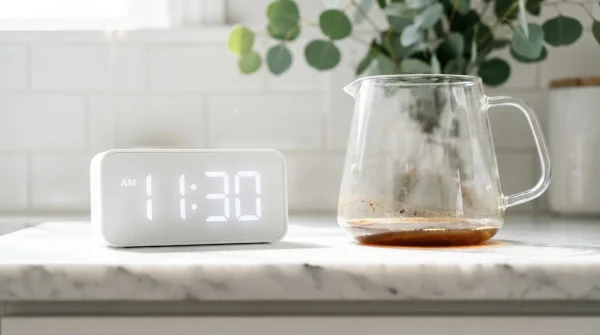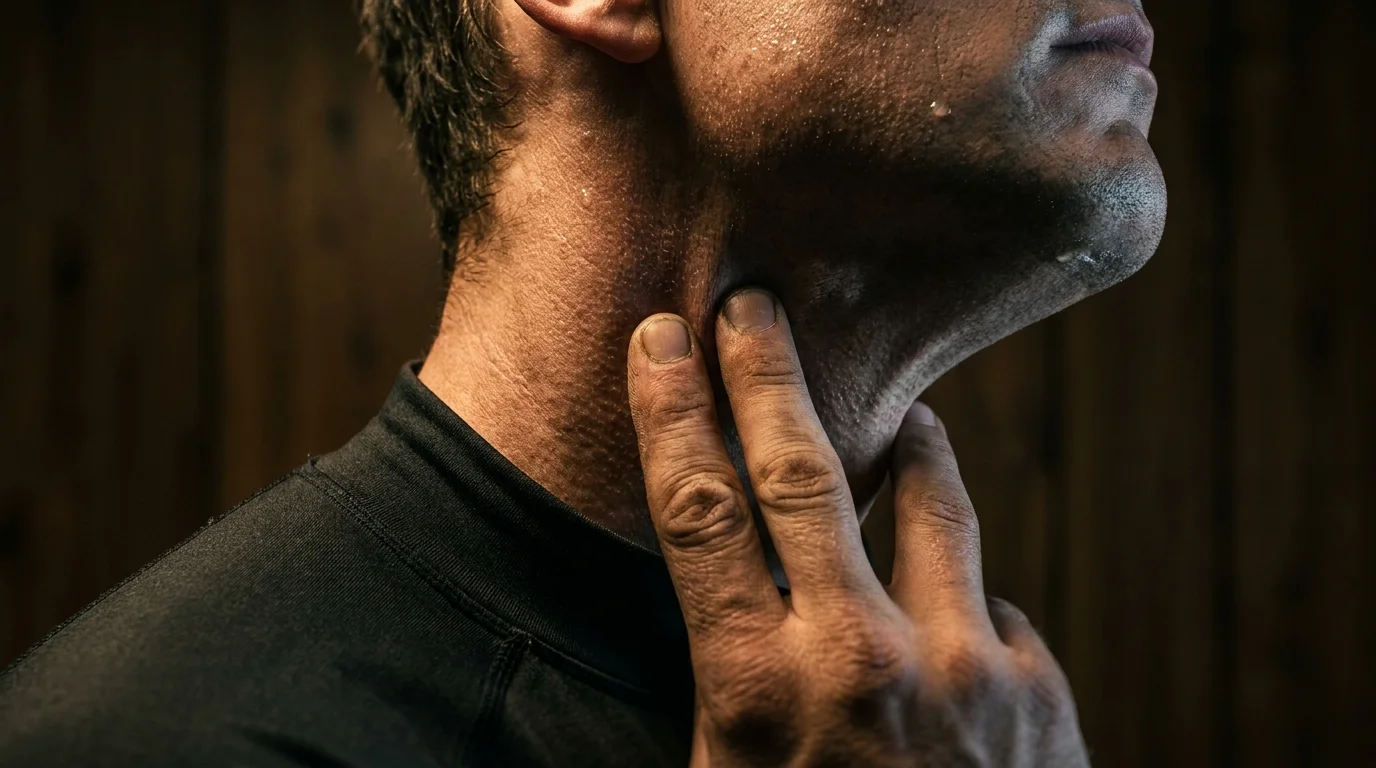
The digital clock across your bedroom glows an uncompromising 3:14 AM. The room sits at a brisk sixty-six degrees Fahrenheit, yet your sheets feel suffocating, and a light sheen of cold sweat clings to your collarbone. Inside your ribcage, your heart thumps with the frantic rhythm of a startled bird, hammering against your sternum while your thoughts scramble to invent reasons for panic.
You did everything the modern wellness playbook instructed. At nine-thirty, you bypassed the bourbon and skipped the pharmaceutical sleep aids, opting instead for a dropper of concentrated kava root extract mixed into warm almond milk. It tasted of damp soil, bitter black pepper, and faint cloves. Within twenty minutes, your tongue felt blissfully numb, your jaw dropped away from your ears, and you drifted toward unconsciousness wrapped in a heavy, velvet cloak of herbal calm.
Now, six hours later, you are paying the neurological tax. You are caught in a vicious biological whiplash, wondering why a revered ancient root turned into a high-voltage alarm clock in the dead of night. What feels like an unprovoked panic attack is actually a predictable chemical bounce-back.
Your midnight awakening is not a personal failing, nor does it mean your anxiety is worsening. It is a textbook demonstration of rapid hepatic clearance latency triggering an acute sympathetic rebound.
The Pharmacokinetic Seesaw: Why Sedation Becomes an Alarm Clock
To understand why your heart races while the rest of the world sleeps, think of your central nervous system not as a switchboard, but as a balanced seesaw. On one side sits gamma-aminobutyric acid, or GABA, the gentle chemical brake that slows neuronal firing and brings drowsy calm. On the other side sits norepinephrine and glutamate, the fiery foot on the gas pedal that primes your muscles to run from predators.
When you consume concentrated kava root extracts, active compounds known as kavalactones cross the blood-brain barrier and forcefully weigh down the GABA side of that seesaw. They latch onto your receptors, dampening electrical chatter and creating profound somatic stillness. Yet your brain is an organ obsessed with homeostasis. It refuses to stay lopsided for long. Sensing this artificial, potent suppression, your nervous system responds by manufacturing a surplus of stimulating neurochemicals behind the scenes, leaning hard against the opposite end of the board to restore balance.
Here lies the trap: many modern retail preparations strip kava down into hyper-concentrated solvent extracts. While raw, traditional beverage preparations move through the gut alongside fibrous root starches, refined extracts are metabolized by your liver with aggressive speed. Your liver enzymes clear these synthetic extracts far faster than traditional preparations.
- Aerosol dry shampoo triggers dry throat ticks and raspy vocal cords
- Wood-fired sauna routines spike arterial stress leaving sudden dizzy spells and chest tightness
- Unflavored hydration salts block cellular water absorption triggering dry mouth and muscle twitches
- Stacked computer monitors compress upper cervical vertebrae sparking throbbing skull aches during work
- Bonded waist leggings crush lower ribcage expansion triggering sudden suffocation sensations at desks
Somewhere around the four-hour mark, your hepatic pathways abruptly clear the remaining circulating kavalactones. The artificial weight on your sedative seesaw vanishes in an instant. With the kavalactone brake suddenly released, the compensatory wave of stored norepinephrine and cortisol slams down onto the gas pedal with unchecked ferocity. You jolt awake, eyes wide, pulse racing at ninety-five beats per minute, trapped in a neurochemical false alarm.
The Clinical Reality: Lessons from the Bench
Dr. Julian Vance, a 47-year-old clinical toxicologist based out of Portland, Oregon, spent two years analyzing the metabolic pathways of commercially available botanical extracts after an influx of patients presented with secondary middle-of-the-night cardiac flutter. Vance noticed a glaring discrepancy between traditional South Pacific preparation methods and the industrial solvent tinctures lining American grocery shelves.
Vance documented that when modern extraction methods isolate kavalactones using ethanol or supercritical carbon dioxide, they selectively amplify kavain and dihydrokavain—compounds prized for quick onset—while stripping away the heavy, insoluble lipids that naturally buffer their absorption. In Vance’s patient cohort, individuals who took these refined extracts within an hour of sleep experienced an average spike of thirty beats per minute above their resting heart rate between 2:45 AM and 3:30 AM. Their livers had cleared the active compounds mid-cycle, leaving their autonomic nervous systems completely exposed to an unchecked rebound wave.
Mapping the Response: Are You Primed for Midnight Rebound?
Not every body metabolizes botanical extracts at the same velocity. The intensity of your midnight jolt depends on your metabolic clearance rate and how you administer the extract.
The High-Metabolism Fast Doser
If you drink your evening extract on an empty stomach three hours after dinner to maximize potency, you are prime real estate for a rebound spike. Without dietary fats to slow gastric transit, the kavalactones flood the bloodstream in minutes, spike blood plasma levels, and suffer an equally vertical drop. By 3:00 AM, the liver has cleared the field, and the sympathetic nervous system erupts.
The Concentrated Ethanol User
Those who lean on high-potency alcohol tinctures squeezed under the tongue experience rapid sublingual absorption. While this format delivers lightning-fast daytime relief from work stress, it is the worst possible tool for overnight maintenance. The rapid uptake guarantees an aggressive drop-off curve precisely when deep slow-wave sleep should be transitioning into restorative REM sleep.
The Whole-Root Traditionalist
Individuals who source certified noble-variety root powder, kneading it by hand into cool water with a splash of whole milk, rarely report midnight awakenings. The presence of raw starches creates a sustained-release pharmacokinetic curve, allowing kavalactone levels to gently taper across eight hours rather than crashing over a cliff.
Recalibrating the Evening: A Mindful Taper Protocol
Restoring unbroken sleep does not mean you must discard your herbal remedies. It requires shifting from treating herbs like synthetic knock-out drops to understanding metabolic pacing. By altering how and when kavalactones enter your digestive tract, you can flatten the clearance curve and eliminate the midnight surge.
- Shift Your Window: Consume any kava preparation at least two and a half to three hours before your head hits the pillow, rather than immediately before bed. This allows the primary peak and the initial clearance rebound to occur while you are still reading on the couch, rather than during vulnerable delta sleep.
- Introduce a Lipid Anchor: Never consume kava extracts in plain water on an empty stomach. Pair the extract with a tablespoon of coconut oil, heavy cream, or full-fat yogurt. Kavalactones are lipophilic; embedding them in healthy fats slows their passage through the duodenum and ensures steady, gradual absorption.
- Abandon High-Purity Isolates: Avoid extracts standardized to seventy percent kavalactones. Choose whole-root preparations or traditional water-extracted pastes that retain the complete botanical spectrum, softening the pharmacokinetic drop-off.
- Counterbalance with Glycine: Supplement with three grams of dietary glycine alongside your evening routine. Glycine acts directly on NMDA receptors in the brainstem, maintaining a steady, non-rebound sedative baseline that prevents sudden norepinephrine surges if botanical levels drop.
The Tactical Evening Toolkit
- Target Consumption Window: 6:30 PM to 7:15 PM (for an 10:30 PM sleep schedule).
- Lipid Buffer: 8 to 10 grams of medium-chain triglycerides (MCT oil or whole coconut milk).
- Water Temperature: Lukewarm to cool (never exceeding 120 degrees Fahrenheit, which degrades stabilizing starches).
- Glycine Baseline: 3 grams mixed directly into your carrier liquid.
The Bigger Picture: Reclaiming Autonomy Over the Night
We live in a culture that treats sleep like an unruly machine that must be forcibly hammered into submission. When our bodies resist, we look for natural clubs to knock ourselves out, forgetting that every pharmacological push invites an equal and opposite biological shove.
Learning the nuance of clearance rates turns a midnight panic episode into useful information. That pounding heart at 3:00 AM is not broken machinery; it is an incredible biological system fighting tenaciously to keep you alive and balanced. When you respect the timeline of your own liver, you stop fighting the night and finally learn to rest within it.
The secret to restorative rest lies not in the chemical force of your sedative, but in the gentleness of its departure.
| Key Point | Detail | Added Value for the Reader |
|---|---|---|
| Clearance Latency | Modern solvent extracts clear liver pathways in 3 to 5 hours. | Identifies why awakenings happen at the exact same hour nightly. |
| Sympathetic Rebound | Abrupt loss of GABAergic tone triggers surges of norepinephrine. | Normalizes nocturnal racing pulse as a chemical reset, not panic. |
| Lipid Buffering | Kavalactones bind to dietary fats, blunting steep plasma spikes. | Offers an immediate, zero-cost pantry hack to smooth absorption. |
Frequently Asked Questions
Why does my heart beat fast only around 3:00 AM after taking kava?
This specific timing coincides with the metabolic half-life of fast-acting kavalactones. Once the liver breaks down the compound roughly four to five hours after ingestion, the sudden drop in sedative signaling triggers an immediate, compensatory surge of adrenaline.Does this midnight surge cause permanent damage to my heart?
No. While waking up with a racing pulse is thoroughly unsettling, it is simply a transient release of stress hormones, identical to waking up from a loud noise. It subsides as soon as your baseline autonomic tone rebalances.Can I take another dropper of extract when I wake up at 3:00 AM?
Avoid this practice entirely. Re-dosing in the middle of the night restarts the cycle, guarantees grogginess upon waking, and reinforces a psychological dependence on an external crutch to fall asleep.What is the difference between Noble kava and everyday commercial tinctures?
Noble kava refers to cultivated varieties historically selected for a balanced kavalactone profile that metabolizes smoothly. Many retail tinctures use cheap extracts with unfavorable ratios that trigger harsher side effects and rebounds.How long will it take for my sleep to normalize if I stop extracts completely?
Because kava does not cause true physiological downregulation like benzodiazepines, your hepatic clearance and nighttime autonomic tone will typically normalize within twenty-four to forty-eight hours after discontinuing use.