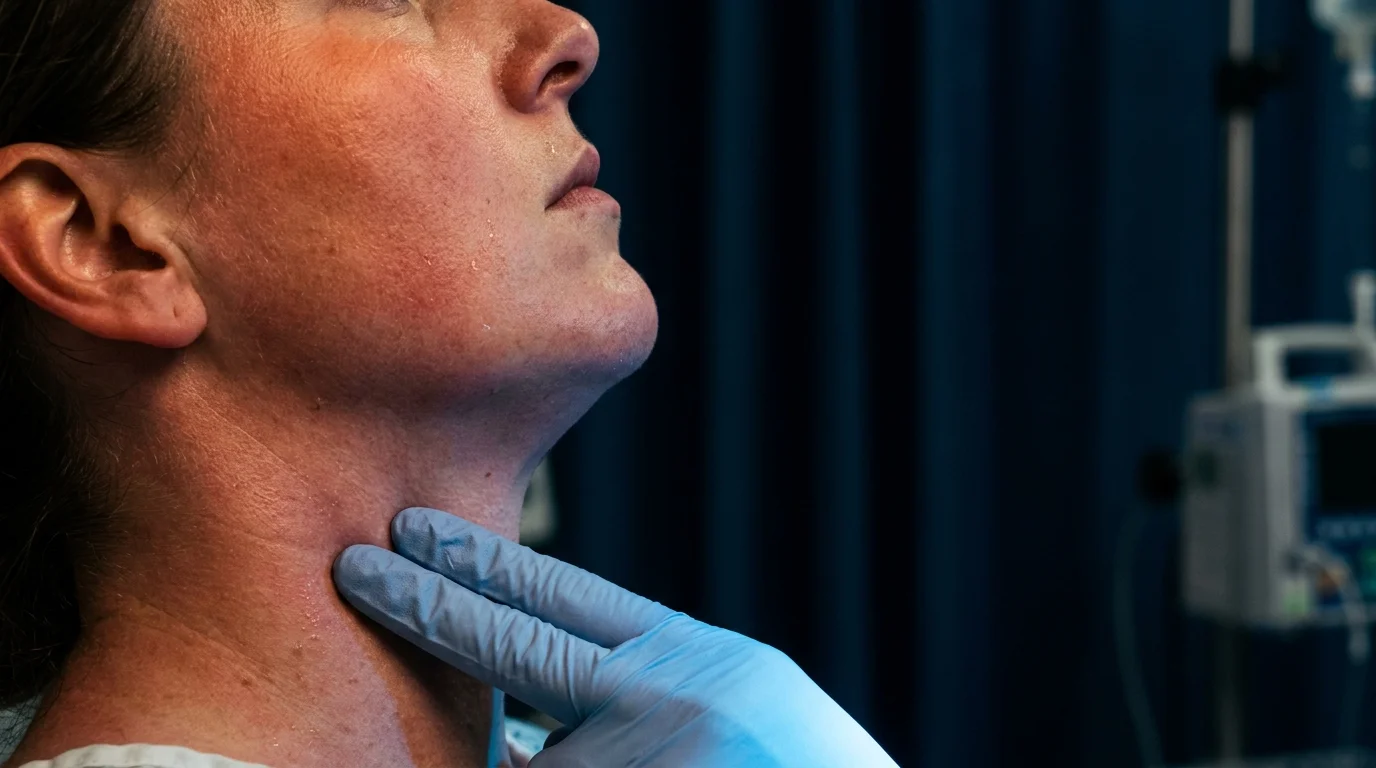
The hum of industrial air conditioning inside a regional emergency department across coastal Texas or central Florida carries a sharp bite of antiseptic bleach. You sit under buzzing fluorescent tubes, nursing an ache so deep behind your eyes and through your lower back that it feels as though your skeleton is splintering under gentle weight. Outside, the humid Gulf air hangs thick at 92 degrees Fahrenheit, but inside your skin prickles with sudden, teeth-chattering chills.
Most people walking through those sliding glass doors assume they are dealing with a brutal wave of summer influenza or severe heat exhaustion. Yet across municipal trauma centers and suburban clinics throughout the southern border states, intake nurses are discarding traditional flu assumptions in favor of immediate mosquito-borne screening panels.
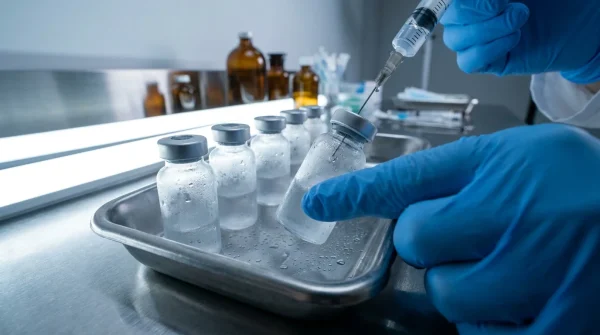
The intake nurse does not simply hand you a clipboard and point you toward rows of vinyl chairs with a paper cup of lukewarm water. Within six minutes of your arrival, a rubber tourniquet snaps tight against your forearm to pull blood for urgent platelet quantification and rapid viral antigen testing. Regional directives have turned what used to be a routine fever intake into an aggressive early-interception perimeter.
Public health authorities across southern counties have issued urgent triage rewrites because of a dangerous biological reality: catching sudden vascular leakage early makes the difference between quiet outpatient hydration and an intensive care emergency.
The Micro-Vascular Sieve: Rethinking the Breakbone Fever
For decades, medical training in the United States treated dengue as an exotic souvenir—something carried home in the bloodstream of adventurous backpackers returning from tropical rainforests. That geographical safety margin has quietly dissolved. The aggressive spread of local Aedes aegypti and Aedes albopictus mosquito colonies across southern suburbs means native transmission is no longer an anomaly; it is an active clinical problem unfolding in local subdivisions.
To understand why emergency protocols changed overnight, you have to look at how this virus behaves inside the bloodstream. It does not simply irritate your respiratory lining like a winter cold. Think of your circulatory system as a sealed silicone hose designed to keep vital plasma moving under steady pressure. Dengue acts like a solvent that softens the microscopic seams of that hose, turning smooth walls into an overstretched silk net that allows fluids to weep outward into surrounding tissues.
When plasma seeps out of the capillaries, your circulating blood volume shrinks while your vital red cells become thick and sluggish. At the exact same moment, your bone marrow slows down its production of platelets, the tiny cellular patches responsible for stopping internal bleeds. If emergency departments wait for outward bleeding or dark bruising to appear before ordering blood counts, the window for safe intervention shuts down entirely.
The core pivot in southern emergency rooms is moving away from passive symptom monitoring toward proactive hemoconcentration tracking. Hospitals are no longer waiting for a patient to look critically sick before pulling laboratory numbers.
- Debby Ryan injury reports spark urgent clinical warnings over unnoticed concussions
- Bedside LED clocks disrupt nighttime melatonin cycles driving restless morning fatigue
- Thick wallet sitting pinches sciatic nerves sparking grinding lower back aches
- Warm milk nightcaps trigger restful sleep cycles and calm twitchy muscles
- Organic blackstrap molasses restores depleted morning iron and calms leg twitches
The Clinical Shift in South Texas
Dr. Elena Vance, a 44-year-old emergency department physician practicing near McAllen, Texas, watched this systemic shift take hold across her shift rotations over the past six months. Last spring, a 38-year-old landscaper arrived complaining of mild dizziness and an intense headache after working outdoors in the humid midday heat. Standard heat-stroke protocols would have meant two bags of chilled saline and a discharge within three hours.
Because her hospital had quietly piloted rapid NS1 antigen testing and reflex platelet counts for any unexplained acute fever, Dr. Vance caught a plummeting platelet reading of 72,000 per microliter—well below the safe baseline of 150,000—before the patient showed a single drop of visible bleeding. Rapid identification meant the clinical team could titrate intravenous fluids with pinpoint precision, keeping his vascular pressure stable without flooding his lungs.
Three Adjustment Layers for Southern Households
The updated protocols inside emergency rooms highlight that people experience this sudden viral challenge along very different physiological tracks. Understanding your specific setting helps you cut through the confusion when sudden fevers strike.
For the Outdoor Worker and Garden Enthusiast
Daily exposure to shaded patio areas, retention ponds, or damp construction sites creates an immediate transmission vector. If you spend significant dawn or dusk hours outdoors in the South, your baseline risk profile changes the moment an acute fever sets in. Treating sudden bone pain casually as mere physical overexertion delays the exact lab screening triage teams need to run within the first forty-eight hours.
Your primary objective is immediate documentation of the hour your fever began. When you tell a triage nurse the precise timeline of your temperature spike, they can determine whether to deploy an NS1 antigen test, which only catches the viral protein during the initial days of infection.
For the Vulnerable Senior or Medic-Dependent Resident
Older adults frequently manage baseline conditions with daily blood thinners, low-dose aspirin, or blood pressure medications. This creates a volatile intersection when dengue enters the equation. A minor drop in platelet count that a younger adult might weather with fatigue can trigger serious gastrointestinal bleeding in someone taking anticoagulant therapy.
If you or an aging family member take cardiovascular prescriptions, any unexplained midsummer fever requires immediate medical clarity rather than home observation. Emergency departments need to adjust medication schedules long before platelet counts drop near danger zones.
For the Suburban Commuter and Multi-Generational Home
Suburban environments with manicured drainage swales, patio plant saucers, and decorative water features harbor aggressive daytime-biting mosquitoes. Transmission often clusters within single homes or neighboring cul-de-sacs. When one household member develops severe eye pain, backaches, and a fever, everyone under that roof needs to shift into a defensive posture.
In these multi-resident settings, eliminating backyard standing water is not just property maintenance; it is an active containment measure that stops a localized transmission chain from cycling through every bedroom.
Navigating the Triage Window: A Practical Defense Protocol
Navigating emergency care requires knowing what clinical markers matter most. When a viral infection strains your micro-vascular system, your actions in the first three to seven days determine your recovery curve.
The most dangerous phase of dengue does not occur when your fever is burning at its highest. The critical transition happens right as the high fever abruptly breaks, usually between day three and day seven. When body temperature drops back toward 99 degrees Fahrenheit, families often drop their guard prematurely, assuming the worst has passed.
This defervescence window is precisely when vascular leakage accelerates. If you or a loved one experience any of the following clinical red flags as the fever cools, proceed directly to the nearest emergency facility:
- Severe, unyielding abdominal pain or persistent tenderness across the stomach area.
- Persistent vomiting that prevents you from keeping oral fluids down for more than twelve hours.
- Spontaneous bleeding from the gums when brushing, unexplained nosebleeds, or tiny red pinpoint spots appearing on the shins.
- Sudden, overwhelming lethargy, confusion, or an inability to stand without severe lightheadedness.
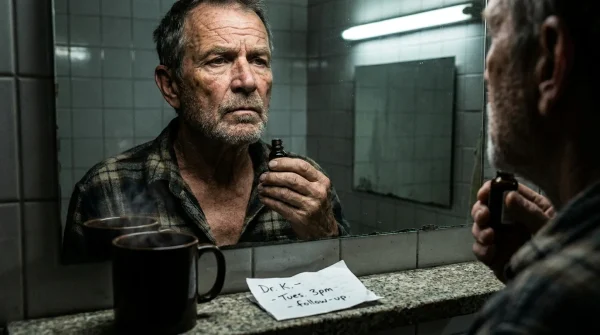
Keep a clear, written record of daily symptoms to hand directly to the triage desk upon arrival. Knowing your exact numbers helps the nursing staff bypass generic waiting queues.
The Tactical Home Toolkit:
- Temperature Monitoring: Track readings every four hours; note the exact moment a high fever (101°F–104°F) suddenly normalizes.
- Fluid Measurement: Target small, frequent sips of electrolyte-rich broths and oral rehydration salts rather than plain distilled water to protect cellular osmolarity.
- Strict Medication Discipline: Rely exclusively on acetaminophen for pain management under professional guidance; strictly avoid ibuprofen, naproxen, or aspirin, as these common anti-inflammatories further disable platelet clotting functions.
- Bite Prevention Indoors: Keep screens sealed and run indoor air conditioning; an infected patient bitten by a local indoor mosquito can pass the virus on to the rest of the household.
Adapting to a Shifting Subtropical Horizon
Navigating this changing landscape across the American South does not require fear, but it does demand that we retire old assumptions about seasonal health. We can no longer view a severe midsummer fever through the nostalgic lens of a simple childhood bug that will pass with sweet tea and quiet bed rest.
The rapid mobilization of updated emergency protocols across regional hospitals is a sign of practical resilience. When public health networks coordinate early platelet screens and rapid antigen detection, they transform a potentially terrifying biological threat into a manageable, routine clinical process. Embracing this level of awareness restores your control, allowing you to protect your household with calm, informed precision.
The fastest way to neutralize a viral threat is to measure what it does beneath the surface before the body ever shows a scar.
| Key Point | Clinical Detail | Added Value for the Reader |
|---|---|---|
| Triage Speed | Reflex complete blood count (CBC) and rapid NS1 testing mandated upon intake. | Ensures you are routed for bloodwork immediately instead of lingering in general waiting areas. |
| The Platelet Drop | Platelet levels monitored for precipitous drops below 100,000/μL. | Provides an objective, measurable laboratory metric that detects severe risk before bleeding starts. |
| The Critical Window | Vascular leakage spikes during the 24–48 hours after fever breaks. | Prevents the dangerous mistake of assuming recovery just because body temperature normalized. |
| Medication Safety | Total exclusion of NSAIDs (ibuprofen, naproxen, aspirin). | Protects your stomach lining and clotting cascade from severe, preventable hemorrhage. |
Frequently Asked Questions
How quickly does an emergency department receive rapid dengue screening results?
Modern rapid NS1 antigen test cassettes and automated complete blood count analyzers provide actionable platelet numbers and viral confirmation within 30 to 45 minutes of a blood draw.Why are emergency rooms avoiding non-steroidal anti-inflammatory drugs like ibuprofen?
NSAIDs interfere with platelet aggregation and irritate the gastric mucosa. Because dengue systematically lowers your platelet count, taking ibuprofen significantly increases the likelihood of dangerous internal bleeding.Can I distinguish dengue fever from the common flu at home?
While both cause fever and fatigue, dengue typically presents with excruciating pain localized behind the eyes, intense lower back pain, a total absence of upper-respiratory congestion, and occasionally a faint sandpaper-like rash across the trunk.What is hemoconcentration and why are doctors watching it?
Hemoconcentration occurs when liquid plasma leaks out of blood vessels, leaving a higher concentration of red blood cells (elevated hematocrit). It serves as the primary early warning sign that a patient requires careful intravenous fluid stabilization.Does a prior dengue infection make a secondary infection more severe?
Yes. Exposure to one of the four distinct dengue serotypes creates antibodies that can inadvertently facilitate entry for a different serotype later in life—a mechanism known as antibody-dependent enhancement—making strict screening vital for anyone with a history of travel or past infection.