The amber bottle sits on your nightstand beside an unfinished glass of water, catching the early morning light. For months, or perhaps years, taking that chalky tablet before breakfast has been an automatic gesture—a quiet contract with your body to keep your internal engine humming at an even pace. You swallow it down, wait an hour to brew coffee, and assume the tiny stamp pressed into the pill matches the exact microgram dose printed on the white label.
Then your phone buzzes with a patient portal notification, or an urgent voice message crackles through from your community pharmacist. The script has slipped sideways. Across outpatient clinics and regional pharmacies from the Midwest to the Gulf Coast, warning notices are pinned near dispensing stations: Vitruvias Therapeutics has issued a voluntary, urgent recall covering batches of liothyronine sodium and levothyroxine sodium due to mismatched packaging and incorrect dosage declarations.
When an active thyroid medication bottle contains a concentration different from what its exterior claims, the biological margin for error vanishes overnight. A missing decimal or swapped milligram strength is not a minor bureaucratic footnote; it is a direct shock to the endocrine command center that sets your body temperature, manages your resting pulse, and governs how every cell metabolizes fuel.
The Calibrated Thermostat: Why Precision Is Everything
Think of your endocrine system not as a gas tank you fill to the brim, but as a finely tuned home thermostat during a blustery February freeze. If that thermostat misreads the room temperature by just two degrees, the furnace either screams into overdrive or falls silent, leaving ice on the windowpanes. Synthetic thyroid hormones work identically. When an endocrine regulator shifts abruptly, your metabolic baseline lurches before your mind even registers the source of the discomfort.
Vitruvias Therapeutics identified that certain production lots carried mislabeled bottles where the bottle exterior stated one therapeutic strength, while the inner tablets contained a higher or lower concentration. In thyroid management, doses are measured in micrograms—fractions of a grain of sand. Slipping from 25 mcg to 75 mcg, or plummeting from 100 mcg down to 12.5 mcg, breaks the delicate feedback loop between your pituitary gland and your circulating bloodstream.
- Opening hallway doors flushes heavy trapped bedroom heat for deeper sleep
- Steering wheel slouching triggers sharp lumbar spasms on daily car commutes
- Whole milk sips calm acidic stomach burning faster than chalky antacids
- Raw garlic cloves soothe scratchy throat irritation before bedtime
- Frozen grapefruit wedges shock morning brain fog faster than black coffee
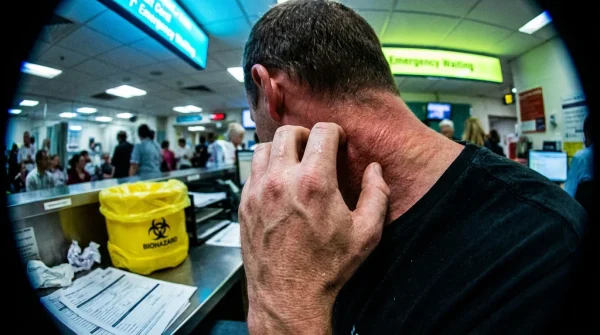
Elena Alvarez, a 47-year-old middle school librarian in central Ohio, learned about the recall after three consecutive nights of lying awake with a thumping pulse and damp sheets. Her clinic nurse called her before her lab work was even scheduled, asking her to check the ten-digit lot code on her refill. That simple phone call solved what Elena had assumed was sudden panic or early perimenopause: she had unwittingly been taking double her intended morning hormone dose for twelve days straight.
Reading the Physical Signals: Overdrive vs. Depletion
Your body does not wait for a formal recall notice to tell you that something is off balance. Depending on whether your mislabeled bottle delivered a sudden surge of excess liothyronine or an accidental cut in your maintenance dosage, your autonomic system speaks in unmistakable physical cues.
When the Dose Is Accidentally Too High (The Spike)
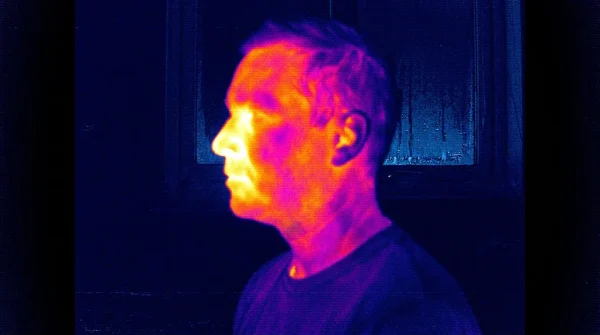
Receiving an inadvertent megadose pushes your tissues into an induced hyperthyroid state. You might feel a sharp, skittering heartbeat while sitting on the couch, or notice that your hands tremble slightly when lifting a coffee mug. Your skin may feel warm and flushed even in a cool room, paired with loose digestion, restless irritability, and a feeling that your thoughts are running on fast-forward without an off switch.
When the Dose Is Accidentally Too Low (The Slump)
If the mislabeled bottle under-delivers, the drop mimics severe hypothyroidism. You wake up feeling as though your limbs are packed in wet sand. Cold air suddenly feels piercing, your throat feels thick or scratchy, brain fog rolls in before noon, and water retention leaves your eyelids and ankles uncomfortably swollen by evening.
Managing Your Medicine Cabinet: A Mindful Inspection
Panicking and throwing your medication down the drain is the worst possible move. Abruptly halting thyroid medication cold-turkey shocks your vascular system just as severely as an erratic dose. Instead, handle this verification with calm, deliberate precision at your kitchen table.
- Check the manufacturer and imprint: Look for ‘Vitruvias’ on the pharmacy dispensing label, then pour one tablet out into your palm to cross-reference its color, shape, and debossed number against the description on your pharmacy paperwork.
- Log the lot and expiration: Locate the printed lot number and expiration stamp stamped along the bottom or side of the plastic bottle. Regional clinics have matching lists of affected lots available right now.
- Call your dispensing pharmacy immediately: Ask the pharmacist directly whether your fill date and bottle lot match the active Vitruvias alert. If they do, your pharmacy will exchange the bottle at no cost without leaving you stranded without medication.
- Track your baseline vitals: Take two minutes each morning to sit quietly, check your resting pulse with two fingers against your wrist, and write the number in a notebook along with any sudden heart flutters or unexpected chills.
The Tactical Toolkit for Verification
Keep these specific reference parameters on hand before picking up the phone with your clinic or pharmacy care team:
- Targeted hormone types: Liothyronine Sodium (T3) and Levothyroxine Sodium (T10/T4 equivalents under contract packaging).
- Critical verification window: Refills dispensed within the last 60 to 90 days across regional independent and hospital-affiliated clinics.
- Vital threshold to monitor: A sustained resting heart rate above 100 beats per minute at rest, or an unexplained drop in body temperature below 97.0 degrees Fahrenheit accompanied by severe dizziness.
The Bigger Picture: Reclaiming Control Over Your Daily Baseline
We hand a tremendous amount of trust over to sealed amber vials and automated supply chains. When a production error breaks that trust, it is easy to feel vulnerable, as if your internal peace is at the mercy of distant assembly lines and shipping pallets. But learning to listen to the subtle whisper of your metabolic rhythms turns you from a passive consumer into an attentive steward of your own biology.
Understanding how a few micrograms of a hormone shape your focus, your mood, and your physical endurance gives you unprecedented clarity. Your instincts deserve your full confidence. When your body tells you that the room is spinning or your pulse is galloping without cause, you now have the exact language, steps, and awareness to verify the source, protect your thyroid, and restore your calm.
“When dealing with microgram-level therapeutics, patient awareness is not just helpful—it is the final and most critical safety check in modern medicine.”
| Key Point | Detail | Added Value for the Reader |
|---|---|---|
| Recall Catalyst | Packaging mismatch and lot mislabeling involving synthetic thyroid formulations. | Helps you identify if your prescription bottle is part of the suspect manufacturer batch. |
| High-Dose Symptoms | Rapid pulse, night sweats, jitteriness, and sudden gastrointestinal hyperactivity. | Enables immediate self-triaging so you know whether to request an emergency clinic review. |
| Low-Dose Symptoms | Sluggishness, extreme cold sensitivity, brain fog, and localized fluid retention. | Prevents you from blaming chronic fatigue on daily stress when the medication is the culprit. |
| Action Step | Compare tablet imprint codes with the label; contact your pharmacist for an exact swap. | Ensures uninterrupted hormone replacement without incurring out-of-pocket replacement costs. |
Frequently Asked Questions
Should I stop taking my thyroid medication while waiting to reach my doctor?
No. Abruptly stopping thyroid hormone therapy can trigger a severe rebound crash. Call your pharmacist first thing in the morning; they can inspect your lot number immediately and supply an unaffected replacement bottle if necessary.How do I check if my specific prescription is part of the Vitruvias recall?
Inspect the exterior label of your bottle for the manufacturer name ‘Vitruvias Therapeutics.’ Next, locate the lot number printed near the barcode or expiration date, and cross-reference it with the recall sheet at your dispensing clinic.What should I do if my heart won’t stop racing after taking my morning pill?
Sit down, sip cool water, and contact an urgent care clinic or your primary physician right away. A racing resting pulse above 100 beats per minute is a clear clinical sign that your system may be processing an accidental overdose.Will my insurance charge me twice to replace an affected bottle?
No. Recalled medication protocols require manufacturers and dispensing pharmacies to exchange confirmed affected lots at zero cost to the patient.Can I confirm the tablet strength just by looking at the pill?
Yes. Authentic pharmaceutical tablets carry distinct debossed letter and number imprints corresponding to their exact microgram strength. You can verify this imprint through standard online pill identifier tools or by asking your pharmacist to look up the code.