The vinyl chairs in the waiting room carry that faint scent of rubbing alcohol and lemon floor wax, a combination you recognize before you even hang up your coat. Morning light filters through horizontal blinds, throwing narrow white bands across the linoleum floor. In the infusion bay three doors down, the rhythmic mechanical chirp of an IV pump signals another drip cycle beginning, a sound that has long dictated the quiet rhythm of clinical oncology.
For years, stepping into advanced cancer care meant yielding your veins to regular chemical infusions. You learned to plan your weeks around cannula bruises, saline flushes, and the cold metal chill that runs up your forearm when clear bags empty into your circulation. The clinic visit was never just an appointment; it was an anchor weighing down your entire calendar.
The recent regulatory green light for Inluriyo (imlunestrant) by the Food and Drug Administration disrupts that entire script. As Eli Lilly secures approval for this oral selective estrogen receptor degrader (SERD), the standard playbook for metastatic, estrogen receptor-positive breast cancer is undergoing a silent, tectonic shift right at the examination table.
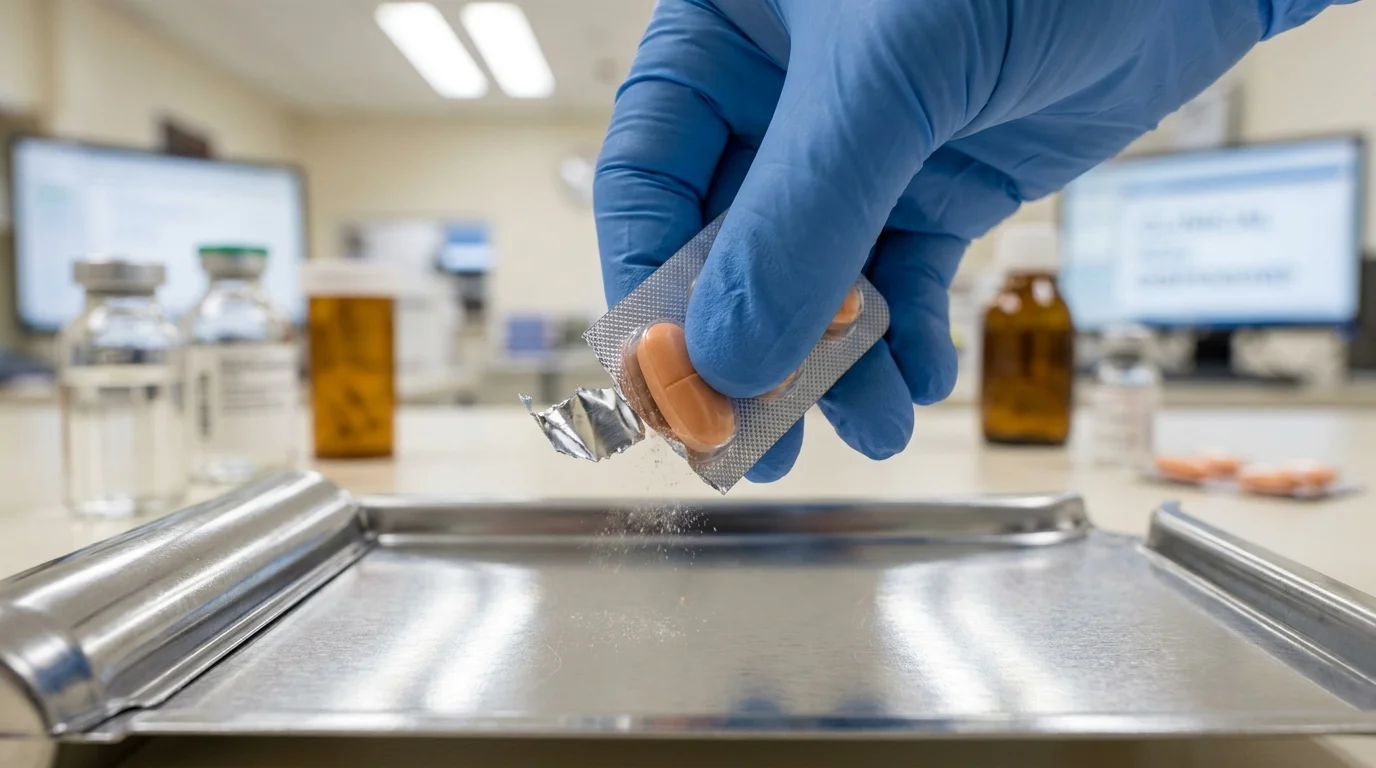
Instead of tethering your afternoon to an infusion pole or bracing for painful monthly intramuscular injections, a single daily pill now carries the burden of keeping resistant tumor cells quiet.
The Cellular Locksmith: Why Tumor Mutation Is Not the End
To understand why this federal decision matters so deeply to your daily life, imagine your cancer cells as a locked engine room. For months or years, standard first-line therapies acted like a simple wooden wedge jammed under the door, starving the tumor of the natural estrogen it craved to multiply. Eventually, however, the engine alters its own hinges. Through mutations—most notably in the ESR1 gene—the receptor learns to fire continuously on its own, ignoring the presence of estrogen entirely and shrugging off early-line endocrine pills.
Until recently, second-line options forced oncologists into tough compromises. Older injectable SERDs like fulvestrant required viscous, painful injections deep into the gluteal muscle every few weeks, often struggling to maintain adequate drug saturation in the bloodstream. The shift toward an oral SERD like Inluriyo changes the mechanical physics of drug delivery. It binds to the malformed receptor, folds over it like a fitted slipcover, and triggers its cellular degradation from within.
- Meningitis symptom surges prompt urgent emergency room visits across multiple states
- Propping bedroom windows flushes stale trapped heat for deeper unbroken sleep
- Soft sofa slouching twists lower spinal curves sparking persistent morning stiffness
- Warm saltwater rinses soothe raw burning throat lining without modern lozenges
- Unrefined sea salt pinches dissolved in water soothe stubborn nighttime muscle cramps
What once felt like an inevitable slide toward aggressive, broad-spectrum intravenous chemotherapy has suddenly turned into a precise biochemical conversation. The treatment does not ask you to sacrifice your stamina to buy time; it quietly dismantles the tumor’s escape hatch while letting you sleep in your own bed.
Dr. Eleanor Vance, a 54-year-old community oncologist in Cleveland, noticed the psychological shift almost immediately during the EMBER clinical trials. One of her longtime patients, a retired high school librarian named Martha, had spent twenty-two months on a standard aromatase inhibitor before routine blood work revealed an ESR1 mutation and expanding bone lesions. Instead of mapping out an port installation and weekly chair time, Vance handed her an amber prescription bottle. Within eight weeks, the rising tumor markers flattened, but more noticeably, Martha never had to cancel her Tuesday morning garden club.
Mapping the Clinical Pivot: Who Experiences the Shift First
The swift arrival of this treatment creates distinct operational realities depending on your specific pathology and stage of care. Clinics are redesigning their second-line protocols into three primary tracks.
For the ESR1-Mutant Patient Facing Progression
If routine liquid biopsy or tissue profiling reveals that your cancer developed an ESR1 alteration after first-line CDK4/6 inhibitor therapy, your treatment landscape changes overnight. Previous pathways often pushed patients directly toward cytotoxic regimens that caused hair thinning, severe neuropathy, and immune suppression. Under updated protocols, oncologists are prioritizing oral degradation first, preserving your physical reserves and keeping your white blood cell counts resilient.
For the Patient Managing Severe Needle Fatigue
Living with metastatic disease often turns your body into a patchwork of scar tissue. Monthly intramuscular doses can leave persistent hip soreness, making simple pleasures like walking your dog or sleeping on your side deeply uncomfortable. Transitioning to an oral delivery protocol removes the physical trauma of clinic-administered injections, restoring bodily autonomy without compromising therapeutic blood concentrations.
For the Rural or Travel-Constrained Patient
Distance is an unspoken toxicity in modern cancer care. When your oncology clinic sits two hours down the highway, regular clinic-based therapies turn every medical shift into an exhausting family expedition. The shift toward home-administered oral therapy dramatically reduces clinic visits to routine monitoring labs and periodic scans, cutting travel hours and lifting the logistical burden off your caregivers.
Mindful Application: Managing Oral SERD Therapy at Home
Transitioning from an in-clinic infusion to a self-managed oral oncology routine requires intentional structure. When you take control of your medication, the clinic’s vigilance must become part of your morning habits.
- Pair your daily dose with an immovable morning anchor, such as your first glass of water or boiling the kettle, rather than relying on phone notifications.
- Keep a dedicated tactile symptom journal on your nightstand to record any mild digestive changes or low-grade joint stiffness before they compound.
- Schedule regular complete blood counts and liver function panels every two to four weeks during the initial transition period, keeping communication channels open with your oncology nurse navigator.
- Coordinate with your clinic’s specialty pharmacy team early to navigate copay assistance programs and ensure seamless shipping schedules before your bottle runs low.
Your Tactical Care Toolkit: Store capsules away from direct sunlight at steady room temperature (between 68°F and 77°F). Keep an over-the-counter anti-nausea remedy approved by your care team within arm’s reach for the first ten days, and drink at least 64 ounces of water daily to support kidney clearance.
The Bigger Picture: Reclaiming the Architecture of Your Days
When medicine advances, we often fixate on cellular mechanics, clinical graphs, and progression-free survival curves. Yet the true measure of a regulatory milestone is not found under a microscope; it is revealed in the quiet hours you reclaim outside the hospital walls.
A cancer diagnosis often forces you to divide your life into before and after, measuring time by the sterile cadence of waiting rooms and infusion chairs. By transforming second-line care into a targeted, oral reality, treatment steps out of the spotlight and settles quietly into the background of your life. It gives you back your mornings, your skin, and your afternoons, proving that effective oncology does not require you to surrender the simple pleasures of living.
Real progress in oncology is measured not by how aggressively we treat disease, but by how gently we preserve the human life carrying it.
| Key Point | Clinical Detail | Added Value for the Reader |
|---|---|---|
| Administration Route | Once-daily oral capsule replacing intramuscular injections or IV infusions | Eliminates injection pain, reduces clinic commute, and restores daily scheduling freedom |
| Target Mechanism | Direct degradation of estrogen receptors, effective against ESR1 mutations | Bypasses common tumor resistance pathways without resorting to harsh chemotherapy |
| Monitoring Schedule | Standardized outpatient blood panels and periodic restaging scans | Fewer hours spent tied to an infusion chair, allowing normal professional and personal routines |
Frequently Asked Questions
How does this pill differ from standard first-line hormone blockers?
First-line drugs like aromatase inhibitors work by lowering total estrogen production in your body. When cancer cells mutate to survive without estrogen, this new therapy acts directly on the cancer cell itself, physically breaking down the mutated receptor proteins so the cell cannot receive growth signals.Do I need genetic testing before discussing this treatment with my doctor?
Yes, oncologists typically order a simple blood draw called a liquid biopsy to detect specific ESR1 gene mutations. Discussing comprehensive biomarker testing with your oncologist will clarify whether your tumor profile aligns with this therapy.Does taking a targeted pill mean there are no side effects?
While oral targeted therapies avoid traditional chemotherapy effects like total hair loss, they can still cause mild fatigue, temporary digestive shifts, or joint aches. Your care team can easily manage most of these symptoms with supportive care while you stay on treatment.Will this drug completely replace the need for intravenous chemotherapy?
It delays the need for traditional chemotherapy by extending the window where your cancer can be controlled through targeted hormone pathways. For many patients, this keeps intensive chemotherapy off the table for significant periods.How quickly will my oncology clinic adopt this new protocol?
Most major cancer centers and community networks integrate newly approved therapies into their standard order sets within weeks of federal clearance, particularly once specialty pharmacy distribution channels open up.