The corridor hums with a familiar late-summer vibration: the scrape of rolling carts against industrial linoleum, the sharp tang of citrus sanitizing wipes, and the stale breeze of a radiator pushed hard against open windows. For decades, the ritual of moving into a college residence hall carried a standard rhythm. You hauled your laundry bags up three flights of stairs, dropped a mini-fridge in the corner, and handed a stamped immunization form to an administrator checking off boxes at a folding table.
That routine just met a hard stop. Following an alarming surge in regional invasive meningococcal cases across multiple campuses, the federal government has quietly redrawn the rules governing how universities evaluate every single student crossing the threshold of shared living. If you step onto a campus quad this semester, you are walking into a fundamentally changed landscape of public health defense.
The updated CDC meningitis directives discard passive record-checking in favor of mandatory, active health surveillance. Instead of trusting an outdated childhood record, campus clinics must now enforce strict real-time symptom evaluations, verify serogroup-specific immunities, and maintain rapid quarantine protocols before keys are handed over.
The Communal Lung: Moving Past Paperwork Defenses
To understand why this federal shift arrived with such speed, you have to picture a college residence hall not as an apartment building, but as a single breathing organism. When fifty students share two shower stalls, swap cups across narrow linoleum counters, and sleep behind unsealed doors along an enclosed hallway, their respiratory systems merge. Droplets ride the thermal currents of drafty heating units and hang in the heavy air of study lounges long after the midnight lights click off.
For years, institutions relied on what clinicians call the bureaucratic shield. Students submitted evidence of their quadrivalent MenACWY shot, received their plastic room key, and disappeared into campus life. Yet the recent outbreaks showed an unmistakable pattern: the circulating clusters were overwhelmingly driven by Serogroup B strains, an aggressive pathogen that bypasses older standard formulations and spreads with ruthless efficiency among teens and young adults.
Federal health authorities realized that checking off a box six months before move-in day does nothing when a cluster begins to incubate. The new directive forces university administrators to treat high-density housing like high-risk clinical environments, establishing active physical filters right at the residence door.
- Warm oatmeal compresses calm angry itchy eczema flares without harsh steroid creams
- Baking soda pastes draw out deep wood splinters without painful tweezers
- Effervescent antacid tablets halt meal breakdown triggering painful upper stomach pressure
- Zero-sugar sports drinks delay standing blood flow sparking sudden dizzy room spins
- Silicone jaw exercisers trigger sharp temple throbbing and strange metallic mouth tastes
Dr. Julian Ramirez, a 51-year-old university health medical director in Ohio, saw the shortcomings of the old system firsthand when three students in one dorm wing fell ill within forty-eight hours last spring. “We had folders full of compliant vaccine cards, but none of them accounted for the specific B-strain sweeping through the hallway air,” Ramirez noted while recalibrating his clinic intake line. “By the time the first student complained of a stiff neck behind a cracked doorway, sixty other students had already shared the communal water dispenser. The old guidelines simply moved too slow for the biology of this organism.”
Tiered Dormitory Vulnerabilities: Where the New Standards Hit Hardest
The revised federal guidelines do not treat every student residence identically. Instead, the framework establishes three distinct environmental risk tiers, dictating exactly how aggressively your campus must screen you based on where you unpack your bags.
Tier 1: High-Density Traditional Dormitories
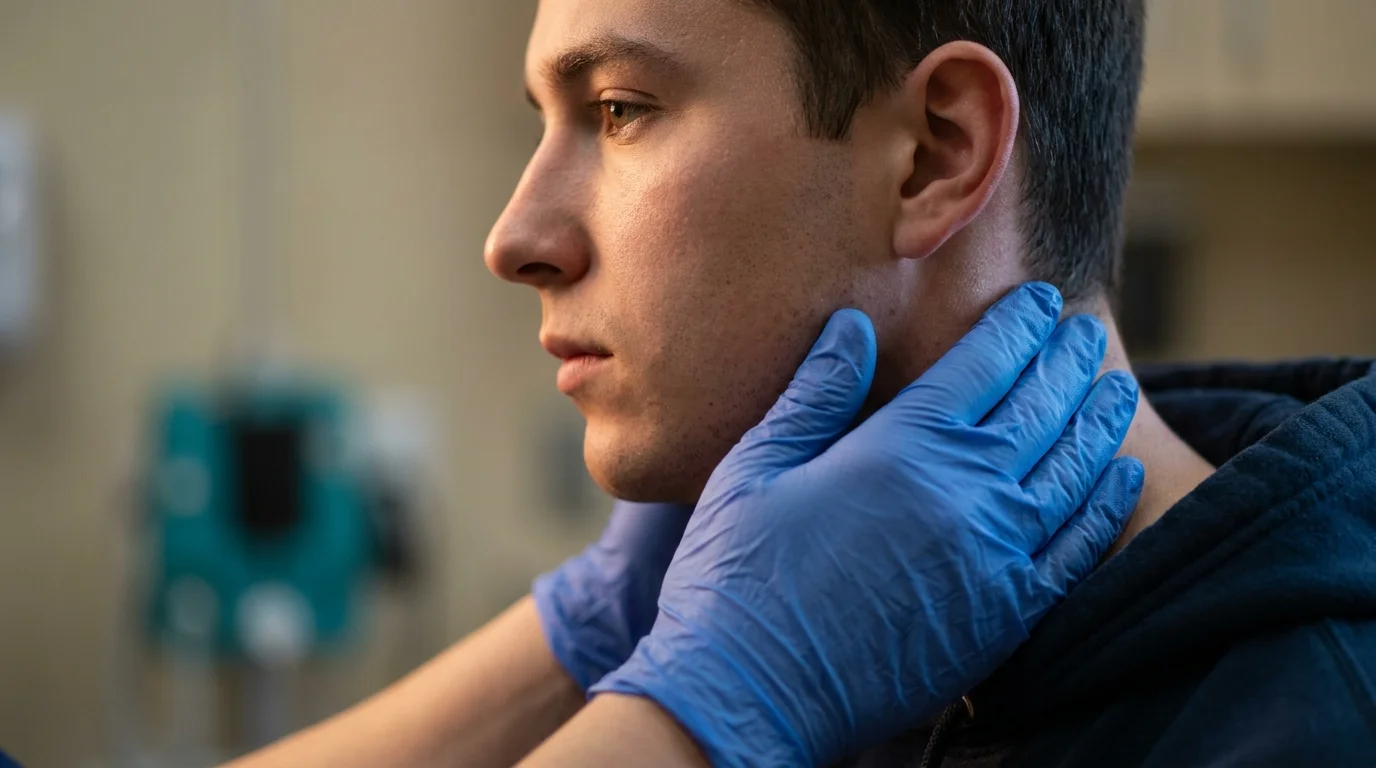
If you live in a traditional hall featuring double or triple rooms and shared gang bathrooms down the hall, you face the strictest scrutiny. Under the new protocol, residential staff must complete verified health intake logs before building clearance is granted. Mandatory physical symptom screenings will check for rapid-onset throat pain, photophobia, and subtle motor stiffness rather than relying on self-reported online surveys.
Tier 2: Greek Housing and Cooperative Suites
Fraternity houses, sorority lodges, and student cooperatives present a unique challenge due to frequent social gatherings and high-turnover sleeping quarters. The CDC now requires designated house health liaisons to file weekly compliance reports. If a single resident demonstrates early febrile illness, the entire living unit enters an accelerated monitoring window, ensuring preventive antibiotics are staged and ready before lab confirmation even returns.
Tier 3: Apartment-Style and Commuter Spaces
Students in private-bedroom suites or campus apartments experience a modified screening, but they are no longer exempt. The updated mandate requires verified proof of both MenACWY and MenB series completion, accompanied by a digital check-in system that flags unexplained lecture absences exceeding thirty-six hours.
The Intake Checkpoint: Mindful Protocol Application
Navigating these rigorous entry rules does not need to provoke anxiety. Approaching your campus screening as a deliberate, protective habit transforms an administrative hurdle into a reliable safety shield for your entire floor.
Prepare your health documentation before you ever pull your car up to the campus curb. Pack your verified immunization records, complete with exact lot numbers and clinic stamps, right alongside your primary identification so you never have to scramble at the gate.
- Verify MenB Specifics: Confirm you have received either the two-dose or three-dose MenB sequence, which is entirely separate from your standard adolescent meningitis booster.
- Complete the Morning Baselines: Take your temperature for three consecutive days prior to campus arrival and document any unusual pharyngeal dryness or muscle fatigue.
- Acknowledge the Triage Form: Answer the digital symptom assessment honestly; early transparency is the barrier that prevents a quiet infection from locking down an entire floor.
- Locate Clinic Rapid-Stations: Identify your dormitory’s designated satellite nursing triage hub within your first two hours on campus.
Your tactical dorm toolkit should remain simple. Keep a digital oral thermometer in your desk drawer, store an insulated personal hydration bottle that never touches shared water spouts, and maintain a two-day supply of personal electrolyte packets to keep mucosal membranes hydrated against dry dormitory heating systems.
The Architecture of Shared Quiet
It is easy to view sweeping federal mandates as impersonal disruptions to the freedom of young adulthood. Yet when you look beneath the clinical terminology and the logistical checklists, a different truth emerges. These screening walls are built to preserve the very closeness that makes collegiate life transformative.
True safety inside a communal building is not created by luck. It is built through an unspoken pact among hundreds of strangers sharing the same stairs, the same kitchenettes, and the same late-night ambitions. By understanding the rigorous logic behind these new screenings, you help protect not just your own semester, but the peace of mind of the student sleeping just inches away on the other side of the drywall.
The single greatest defense against airborne community transmission is the willingness to treat early physical whispers before they become clinical alarms.
| Key Point | Detail | Added Value for the Reader |
|---|---|---|
| Serogroup B Mandate | Targeted screening and vaccine validation across all shared housing. | Closes the persistent clinical blind spot left by older standard vaccines. |
| Active Intake Checks | In-person physical assessments replace unverified online checklists. | Catches early incubation before shared bathroom exposure occurs. |
| 48-Hour Rapid Triage | On-site antibiotic prophylaxis staging at regional student clinics. | Halts campus cluster expansion without requiring total facility closures. |
Frequently Asked Questions
What triggered these sudden CDC directive updates?
Recent localized infection clusters across multiple state universities revealed that traditional dorm check-ins failed to track rapid-moving B-strain transmission in high-density residence halls.Does my standard childhood meningitis vaccine fulfill the new standard?
No. Most childhood schedules administer the MenACWY vaccine, whereas the updated screening emphasizes verification of the specific MenB series for communal dorm residents.What happens if a student fails the intake temperature check?
The student is directed to a non-punitive satellite clinic room for rapid clinical evaluation and observation, preventing potential exposure to dorm roommates.Do off-campus students have to undergo these dormitory screenings?
Off-campus commuters are subject to institutional vaccine validation, but physical residence-hall triage focuses strictly on students occupying shared campus living facilities.How quickly will campus clinics administer preventive medicine if a case appears?
The new directives mandate that chemoprophylaxis (preventive antibiotic dosing) be made available to all close residential contacts within twenty-four hours of a suspected case.