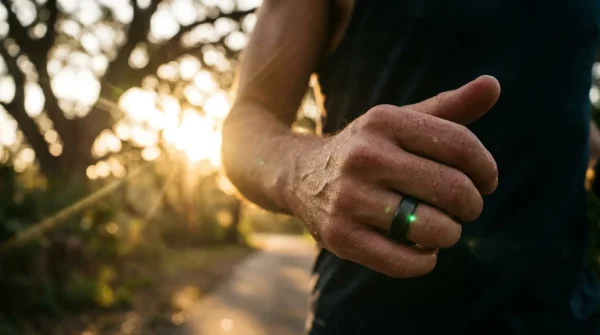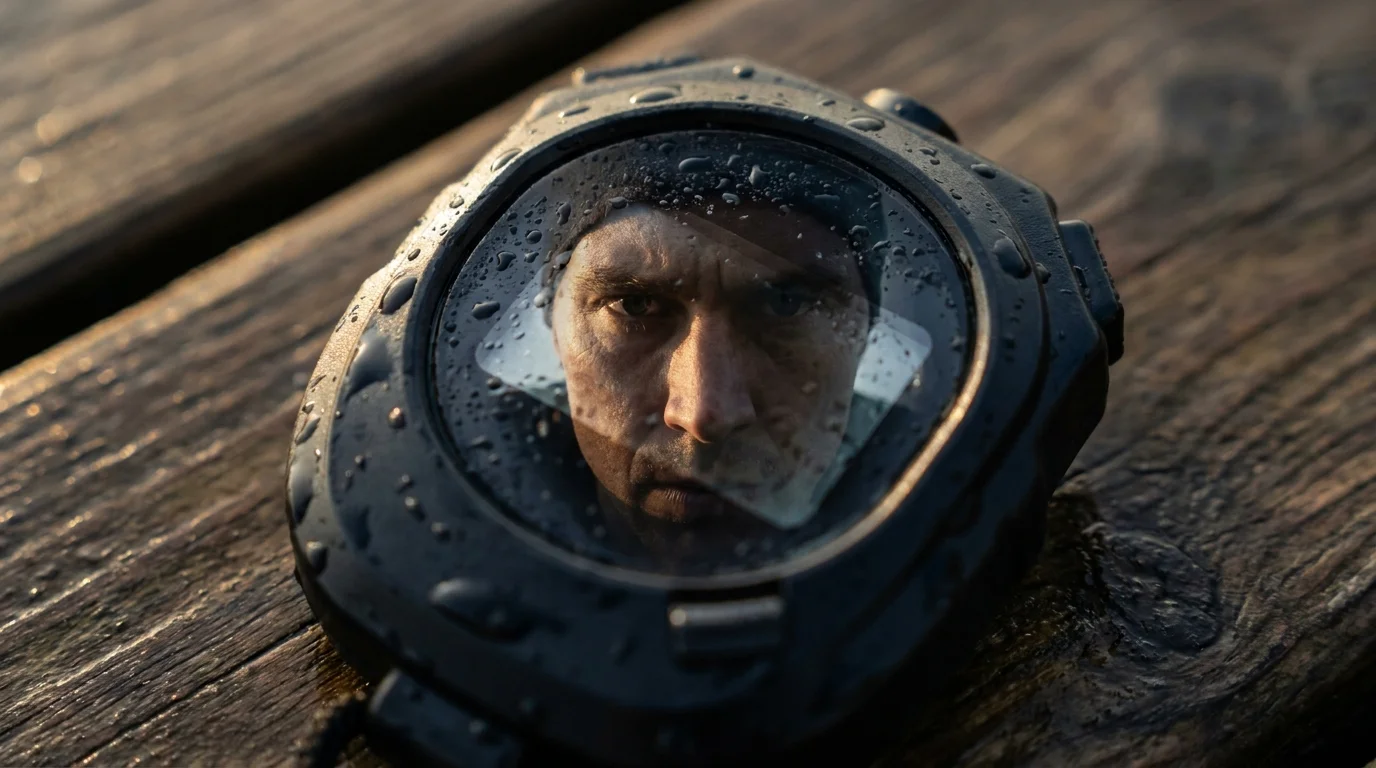
The waterproof digital stopwatch drips with cold condensation, its plastic casing catching the pale light of a Tuesday morning on a wet cedar deck. Beside it, thirty gallons of fifty-degree water shimmer inside a black stock tank. You take a breath, step in, and immediately lock your eyes on the flashing numbers. The digital seconds tick down—three minutes, two minutes, fifty-nine seconds—while your ribs tighten and your skin begins to sting.
We are told this is the pinnacle of modern self-mastery. Every backyard in the neighborhood seems to have a tub now, transforming a niche biohacking recovery protocol into a mandatory morning ritual. You endure the freezing bite, convinced that staring down the clock is building an ironclad mind. Yet, three hours later, sitting at your desk with a cup of black coffee, you feel surprisingly hollow. The empty screen stares back, and the simple task of drafting an email feels like dragging a boulder uphill.
There is a silent design flaw in how we suffer. By pairing the intense physical shock of cold water with a high-stakes digital countdown, we are not building resilience; we are running a highly efficient simulation of a slot machine. The mind becomes hyper-focused on the escape, turning a natural circulatory reset into a massive, artificial dopamine event that leaves your focus pathways completely depleted for the rest of the day.
The Dopamine Slot Machine in Your Stock Tank
To understand why your morning plunge is ruining your afternoon focus, you have to look at how the brain processes reward. Think of your neurochemistry as a delicate water wheel. When you enter cold water, your system experiences a massive spike in norepinephrine and dopamine. But when you stare at a countdown timer, your brain treats each slipping second as a step closer to a reward—the escape.
This is the exact loop used to design addictive mobile games and casino interfaces. We have gamified discomfort, turning a quiet somatic practice into a frantic race against digits. Instead of learning to settle into the cold, your nervous system is screaming, ‘Just ninety seconds left until the prize.’ When you finally climb out, the brain experiences a massive reward crash. The natural baseline of your focus is shot, leaving ordinary, slow-moving work tasks feeling painfully dry and unrewarding.
- Somatic shaking routines trick your nervous system into chronic high stress states
- Sugar free energy drinks systematically exhaust your daily baseline cellular energy levels
- Chlorophyll water drops actively steal dietary iron and leave your hands freezing
- Liquid collagen packets trigger hidden gut distress that ages your skin faster
- Seed cycling blends secretly disrupt female hormones when taken out of order
Dr. Julian Sterling, a 44-year-old neurobiologist who advises performance coaches in Seattle, began noticing this trend in his clinic. Clients who plunged daily with synchronized digital clocks reported soaring morning energy followed by an inexplicable cognitive slump by noon. ‘They were treating the cold like a task to conquer,’ Sterling explains. ‘By removing the timer and forcing them to rely on internal breath cues, their afternoon brain fog vanished, and their baseline attention span returned to normal.’
Adjusting Your Cold Protocol by Archetype
If your work requires deep, sustained creative focus, a gamified cold plunge is your worst enemy. Your prefrontal cortex needs quiet, steady neurochemical states to connect complex ideas. Ditch the digital tracking entirely. For this archetype, the cold should be a brief physical transition, not a mental mountain to climb.
If your main goal is reducing joint soreness or systemic inflammation after a heavy lifting session, you do not need the mental high at all. Your focus is purely physical. Keep your plunges shorter and warmer than you think. Lowering the emotional stakes of the plunge prevents the subsequent mental burnout while keeping the muscular benefits intact.
Reclaiming Focus: The Analog Plunge Protocol
Restoring your brain’s natural reward pathway requires removing the external validation of the clock. You must learn to listen to your body’s physical shifts rather than a flashing LED screen.
Let go of the need to hit a magic three-minute mark. Your body knows when it has adapted to the cold; it happens the moment your breath slows from a gasp to a long, deep exhale. Trust your internal thermostat instead of a waterproof stopwatch.
- Remove all digital screens, phones, and smartwatches from your plunging area.
- Set a simple analog clock face out of direct line of sight if you must track time for safety.
- Focus entirely on the transition of your breath, aiming for four counts in and eight counts out.
- Exit the water the moment your breathing becomes effortless and rhythmic, which usually takes between sixty and ninety seconds.
Tactical Toolkit:
• Optimal Temperature: 50°F to 55°F (extremely cold water is not necessary for focus benefits).
• Max Target Duration: 2 minutes maximum without tracking.
• Post-Plunge Action: Walk slowly for three minutes to warm up naturally instead of rushing to a hot shower.
The Quiet Strength of Untracked Resilience
In a world obsessed with measuring every breath, heartbeat, and step, there is a profound power in doing something purely for the feeling. When we strip the numbers away from our physical practices, we stop performing for an audience of one. We allow our nervous system to settle into the present moment without the constant demand for achievement.
True resilience is not about surviving a timed torment; it is about teaching your brain to remain calm in the midst of unexpected chaos. By letting go of the timer, you protect your daily focus pathways. You step out of the tub not with a frantic dopamine high, but with a quiet, steady clarity that carries you effortlessly through the challenges of the afternoon.
“When we turn recovery into a competitive sport, we lose the exact silence that heals the mind.” — Dr. Julian Sterling
| Key Point | Detail | Added Value for the Reader |
|---|---|---|
| Timer Burnout | Counting down seconds gamifies physical pain. | Protects your morning dopamine from crashing before midday. |
| Internal Cues | Exit the water when your breathing steadies naturally. | Teaches true somatic awareness instead of relying on external metrics. |
| Optimal Warmth | Keeping the water around 50-55°F prevents neurochemical shock. | Saves energy and minimizes recovery strain on the central nervous system. |
Frequently Asked Questions
Will I lose the physical benefits of cold exposure if I do not stay in for three full minutes? No. Most cardiovascular and anti-inflammatory benefits occur within the first sixty seconds of cold exposure; staying in longer is purely psychological endurance.
Why does counting down the seconds feel so satisfying if it is bad for me? The satisfaction is a cheap dopamine release triggered by anticipating the end of pain, which borrows energy from your future focus pathways.
Can I use a warm shower as an alternative to avoid this crash? Yes. A cool-to-warm transition is far gentler on your neural reward systems and does not trigger the hyper-vigilance associated with ice baths.
How do I ensure I am safe in the cold without a timer? Rely on physical markers of adaptation—like the settling of your breath—rather than a rigid time frame, and always have a partner nearby if you are unsure.
What is the best time of day to plunge if I still want to use a clock? If you must use a timer, plunge in the late afternoon when your high-focus working hours are already complete.