The cold air of the gym lobby hits your damp forehead as you walk out, your shoulders humming with that deep, earned ache of a heavy lifting session. You feel lighter, stronger, and intensely hungry. Reaching into the glass cooler by the front desk, you grab a ready-to-drink chocolate protein shake, its plastic skin slick with condensation. It feels like the ultimate, hard-earned reward—a quick, thirty-gram shot of muscle-building fuel to lock in your hard work.
But as you twist the cap, your body is entering a highly sensitive metabolic state. Instead of gently repairing the tiny tears in your muscle fibers, this convenient beverage acts like a sudden, chaotic flood. The metabolic machinery you just primed is suddenly forced to pivot from burning fat to managing a massive, unexpected hormonal emergency.
Behind the dark cocoa powder and the promises of muscle recovery lies a chemical cocktail designed for shelf stability, not human cellular health. You take a long, deep gulp, assuming you are feeding your muscles, but your liver is already scrambling to process ingredients that resemble cheap processed snacks more than whole nourishment.
The Trojan Horse in the Gym Cooler
We have been conditioned to believe in the sacred nature of the post-workout window. The fitness industry has painted a picture of a desperate cellular sponge that will wither away if not immediately saturated with liquid protein. In reality, your body is much more resilient, and the metabolic cost of these pre-packaged drinks is incredibly high. They act as a Trojan Horse, delivering a heavy dose of industrial additives at the exact moment your insulin sensitivity is at its peak.
When you consume maltodextrin—a highly processed starch found in almost every major bottled shake—it spikes your blood sugar faster than table sugar. Because your muscles are already replenishing their glycogen stores naturally from your baseline metabolism, this sudden surge of artificial energy has nowhere to go. Your pancreas pumps out insulin to clear the bloodstream, effectively locking your fat cells and forcing the excess glucose to be stored as fat.
To make matters worse, many of these shelf-stable drinks rely on cheap emulsifiers and vegetable oils to create that rich, creamy mouthfeel. These ingredients irritate your gut lining, which is already temporarily vulnerable from the physical stress of your workout. This gut-skin barrier compromise triggers low-grade inflammation, making your recovery slower, your joints stiffer, and your hard-earned calorie deficit completely vanish before you even reach your car.
- Daily spin classes force your metabolism to hoard stubborn belly water weight
- Zero fat meal prep completely stops your metabolism from burning stubborn weight
- Cauliflower pizza crusts trigger massive sugar crashes that ruin healthy eating
- Deep squatting for daily chores accelerates fat loss without breaking a sweat
- Tone matching at work actively destroys your physical immunity and deep sleep
The Veteran Coach’s Discovery
Marcus Vance, a forty-two-year-old strength coach based in Austin, Texas, spent a decade watching his clients struggle with a mysterious plateau. They were lifting heavier weights and showing up consistently, yet their body composition remained stubbornly unchanged. He began asking them to hand over their post-workout bottles for inspection. “We discovered that the simple act of drinking twenty ounces of processed shake was completely erasing the fat oxidation triggered by their lifting sessions,” Marcus explains. By simply switching his clients from synthetic bottles to real, whole-food recovery meals an hour after training, his clients finally shed the stubborn abdominal fat that had resisted years of intense workouts.
Customizing Your Real-Food Recovery
Not every lifter has the same metabolic engine, and your recovery strategy should reflect your specific lifestyle rather than a generic fitness label.
For the Early Morning Lifter
If you train at dawn before heading to the office, your body needs gentle, sustained glucose management rather than a rapid spike. Avoid the liquid sugar trap by skipping the gym cooler entirely. Instead, pack a simple thermos of cold bone broth or two hard-boiled eggs with a pinch of sea salt. This provides your liver with clean amino acids without triggering an insulin spike that leaves you yawning at your desk by ten in the morning.
For the Evening Strength Builder
Training at night means your post-workout meal will double as your dinner. Your focus should be on calming your nervous system and lowering cortisol levels for sleep. A heavy, synthetic shake keeps your digestive system working overtime, disrupting your deep sleep cycles. Opt for a small portion of wild salmon or a handful of pumpkin seeds with a warm cup of herbal tea to support natural muscle synthesis while you sleep.
For the Active Parent on the Run
When you are juggling kids, errands, and workouts, convenience is non-negotiable. However, reaching for a bottled shake out of sheer exhaustion is a recipe for an afternoon energy crash. Keep a small bag of raw almonds and a clean grass-fed beef stick in your glove box. This portable pairing stabilizes your blood sugar, feeds your muscles, and keeps you focused without the inflammatory additives that ruin your progress.
The Three-Step Post-Workout Pivot
Shifting away from the convenience of bottled drinks requires a small, intentional change in your routine. By treating your recovery as a mindful extension of your workout, you allow your body to naturally burn fat and rebuild tissue without chemical interference. Follow this simple protocol to maximize your strength training results:
- The Cool-Down Pause: Wait at least thirty to forty-five minutes after your last lift before consuming any calories. This allows your nervous system to transition from a sympathetic state to a parasympathetic state.
- The Hydration Bridge: Drink twelve to sixteen ounces of clean water with a tiny pinch of unrefined sea salt immediately after training. This restores cellular hydration and balances your electrolytes without adding artificial sweeteners.
- The Whole-Food Anchor: When you do eat, prioritize single-ingredient proteins and slow-burning carbohydrates. Think of food as information for your cells, choosing items that require actual digestion to process.
Here is a simple tactical toolkit to help you navigate your recovery phase without relying on the cooler:
- Optimal waiting window: 30 to 60 minutes post-workout
- Ideal electrolyte boost: 8 oz water + 1/8 tsp pink Himalayan salt
- Clean whole-food swap: 3 oz pasture-raised turkey breast or 3 soft-boiled eggs
Reclaiming the Simplicity of Strength
Ultimately, walking away from the synthetic wellness aisle is an act of liberation. The fitness industry has spent decades convincing us that our bodies are fragile machines that will break down without constant, expensive chemical interventions. By trusting your natural metabolism, you break free from the cycle of constant consumption and anxiety. You realize that a great workout doesn’t require a processed reward, and that true strength is built on patience, whole foods, and deep, restorative rest.
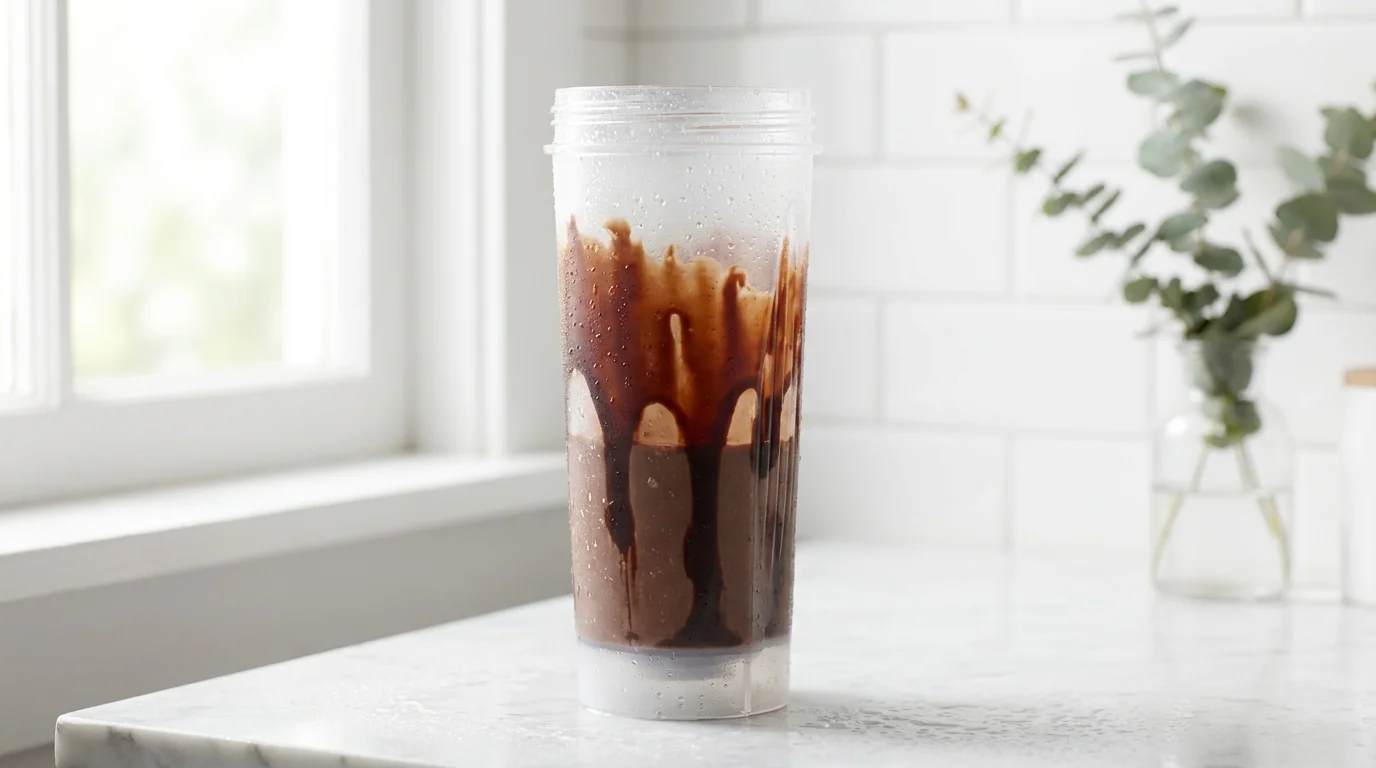
When you look at the bottom of your gym bag, you might see the remnants of that old habit. It is a quiet reminder of a system that promised health but delivered stagnation—epitomized by the sight of a thick brown liquid coating the inside of a plastic shaker bottle.
“True muscle recovery is a slow, biological whisper, not a loud, sugary scream.” – Dr. Marcus Vance
| Key Point | Detail | Added Value for the Reader |
|---|---|---|
| Bottled Protein Shakes | High in maltodextrin and seed oils that cause fat storage. | Saves you from accidentally canceling your workout gains. |
| Post-Workout Timing | Waiting 30-60 minutes allows the nervous system to settle. | Promotes natural fat-burning and optimal digestion. |
| Whole-Food Alternatives | Eggs, turkey, or bone broth provide clean amino acids. | Keeps your energy stable and avoids inflammatory gut irritation. |
Frequently Asked Questions
Will I lose muscle if I do not drink protein immediately after lifting? No, your body has a wide window to absorb nutrients. Real food eaten within an hour or two is highly effective.
Why is maltodextrin bad for fat loss? It has a higher glycemic index than table sugar, causing a massive insulin spike that halts fat-burning.
Are all protein powders harmful? No, but pre-made bottled shakes often contain cheap thickeners and oils to extend shelf life.
What should I drink immediately after a workout? Clean water with a pinch of unrefined sea salt is perfect for rehydration.
How can I identify these hidden ingredients? Look closely at the label for terms like sunflower oil, maltodextrin, and carrageenan.