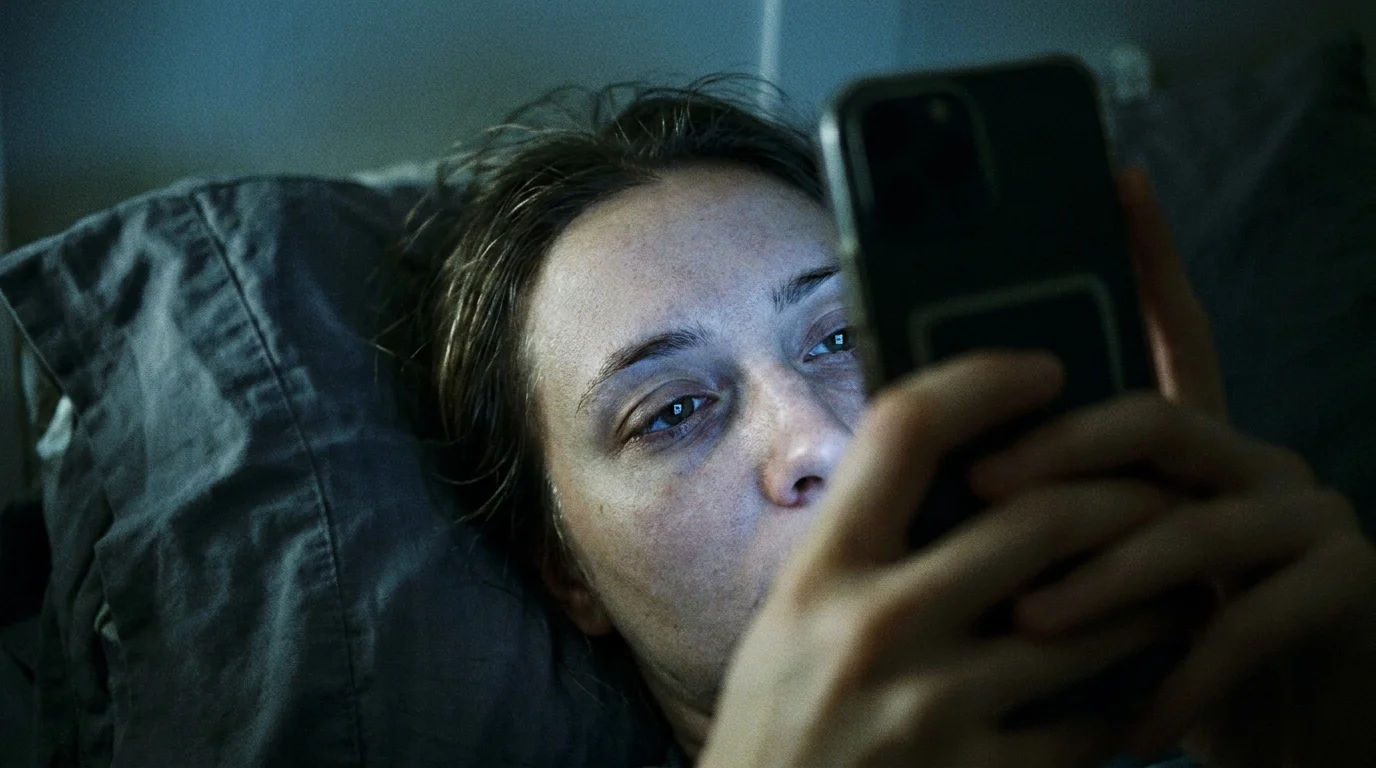
A buzzing smartphone screen lights up a dark bedroom, slicing through the midnight quiet with a cold blue glare. You roll over, eyes straining against the brightness, to read a three-paragraph block of text from a colleague dissecting a minor office injustice. The standard narrative says that being a supportive teammate means absorbing this frustration, serving as a sounding board to help them let off steam. But as you stare at the screen, your heart rate accelerates slightly, your chest tightening in sympathy with a crisis that isn’t even yours.
This instant alignment of distress is actually a mirror neuron tax, a biological debt paid every time you mentally simulate someone else’s pain. Your brain cannot distinguish between a threat to your own livelihood and the secondhand panic of a colleague’s late-night message. Instead of purging negative energy, these shared complaints trap both of you in a feedback loop that alters your biochemistry before your feet even touch the floor the next morning.
We have been conditioned to believe that venting is a healthy safety valve. We treat the office breakroom or the private chat channel as a sanctuary of mutual support. Yet, this collective unloading functions less like a release valve and more like a slow, systemic leak that gradually compromises your physical resilience.
The Toxic Myth of Emotional Decanting
When you listen to a coworker vent, you are not merely offering a sympathetic ear; you are undergoing an involuntary biological hijacking. Think of your emotional reserve not as an infinite well, but as a pressurized oxygen tank. When you open the valve to absorb another person’s toxic work environment, you bleed your own oxygen supply to dilute their carbon monoxide.
This process triggers a silent flood of cortisol, the body’s primary stress hormone. When cortisol levels remain elevated into the evening hours, they directly disrupt your sleep architecture, specifically stripping away the deep, restorative slow-wave sleep required for cellular repair. Simultaneously, this hormonal spike acts as a brake on your immune system, suppressing the activity of T-cells—the quiet infantry responsible for defending your body against seasonal viruses.
- Diet energy drinks leave adults over forty completely exhausted before lunch
- Silent polite nodding forces deep muscular tension into your upper spine daily
- Voice memo pacing burns more stubborn fat than your daily treadmill walk
- Dating app messaging traps intense daily frustration right in your shoulders
- Podcast speed listening overworks your focus pathways and ruins natural motivation
Dr. Marcus Vance, a clinical immunologist based in Chicago, observed this phenomenon firsthand while studying healthcare workers during high-stress operational shifts. He tracked a forty-two-year-old nurse named Sarah, who prided herself on being the unit’s unofficial therapist, listening to hours of peer frustration daily. Despite her immaculate diet and consistent exercise routine, Sarah exhibited chronically suppressed T-cell counts and frequent respiratory infections, which resolved only after she established a strict boundary against unscheduled emotional venting during her shifts.
Mapping Your Emotional Exposure
Not every coworker venting session carries the same viral load, and protecting your peace requires identifying how you interact with this workplace fatigue.
The Remote Digital Responder
If you work from home, your exposure lives in Slack direct messages and unscheduled video calls. The lack of physical presence makes it easier to overlook the toll, yet the constant digital pings keep your nervous system in a state of high-alert anticipation. You must establish physical containment zones for your communication to prevent your living room from becoming an emotional dumping ground.
The Cubicle Confidant
For those in physical offices, the trap is the desk-side drop-by, where a colleague lingers to dissect office politics. Because physical proximity triggers a stronger mirror-neuron response, your body absorbs the tense posture, the shallow breathing, and the frantic hand gestures of the speaker, mimicking their physical stress long after they leave your cubicle.
Constructing Your Biological Firewalls
Dismantling this pattern does not require becoming cold or detached; it requires implementing structured boundaries to preserve your cellular health. Treating your attention as a finite biological currency allows you to co-exist with office stress without adopting it as your own.
- The Five-Minute Timer: When a colleague begins to spiral, gently frame the conversation by saying, “I have exactly five minutes before I need to focus on this project, but I am here for you until then.”
- The Solution Pivot: Shift the momentum from passive complaining to active resolution by asking, “What is the very next physical step you can take to resolve this?”
- The Digital Sunset: Silence all work-related messaging applications exactly ninety minutes before your planned bedtime to prevent late-night cortisol spikes.
The Tactical Firewall Toolkit:
- Permitted Venting Window: Maximum of 10 minutes per day.
- Physical Posture: Uncross your arms and take slow, deep belly breaths while listening to prevent mimicking the speaker’s tension.
- The Transition Reset: Wash your hands with cold water immediately after a stressful conversation to physically signal a break in your nervous system.
Reclaiming Your Internal Sanctuary
Sovereignty over your own biology is the ultimate form of self-preservation in a hyper-connected professional landscape. When you stop treating your empathy as a free resource for others to spend, you reclaim the deep sleep and robust health that are rightfully yours. This change is not about isolation; it is about recognizing that you cannot pour from an empty vessel, and that a truly supportive colleague is one who models resilience rather than joining the panic.
“True empathy is a bridge you build intentionally, not a door you leave unlocked for every passing storm.”
| Key Point | Detail | Added Value for the Reader |
|---|---|---|
| The Mirror Neuron Tax | Your brain physically mimics the stress signals of those venting around you. | Helps you recognize that empathy has a tangible metabolic cost. |
| Cortisol & T-Cells | Secondhand stress spikes cortisol, which directly degrades immune defense. | Connects social boundaries directly to avoiding seasonal illnesses. |
| Sleep Fragmentation | Late-night venting messages disrupt slow-wave sleep patterns. | Gives you a concrete reason to silence work notifications at night. |
Frequently Asked Questions
Is all venting bad for my health? No, but unconstrained venting without a focus on solutions traps the nervous system in a chronic fight-or-flight state.
How do I stop a coworker from venting without sounding rude? Use temporal boundaries, such as stating you have an upcoming hard deadline, to limit the conversation’s duration gently.
Why does digital venting feel just as draining as in-person? Mirror neurons still fire when processing written distress, and the lack of physical resolution keeps the brain searching for closure.
Can secondhand stress actually make me physically sick? Yes, chronic cortisol elevation suppresses immunoglobulin production, leaving you more vulnerable to infections.
What is the best way to reset after an intense venting session? Engage in a physical pattern interrupt, like taking a brief walk outside or practicing box breathing for two minutes.