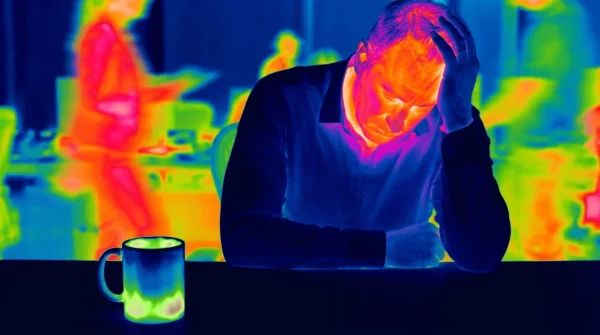
The hum of the office fluorescent lights always seems to grow louder around three in the afternoon. On the corner of your mahogany desk, a sticky, half-eaten chocolate wrapper catches the glare, its matte finish boasting “zero net carbs” and “high protein.” You bought it to save your afternoon, a shield against the vending machine down the hall. Yet, thirty minutes after swallowing that dense, fudge-flavored brick, your hands are slightly damp, and your mind is fixated on the glazed donuts left in the breakroom.
It is a frustrating paradox that plays out in office cubicles and home offices across the country. You follow the rules of the low-carb lifestyle with devotion, spending extra dollars on products that promise sweet satisfaction without the metabolic cost. But instead of feeling fueled, you find yourself fighting a visceral, clawing hunger that feels far more intense than if you had simply skipped the snack altogether.
The wellness industry has built a multi-billion-dollar fortress around the promise of guilt-free indulgence, but the physical reality of these engineered bars tells a different story. When we substitute whole foods with complex matrices of isolated proteins and chemical sweeteners, we are not tricking our biology; we are merely confusing it.
The Counterfeit Key in the Metabolic Lock
To understand why your low-carb snack is betraying you, we must look at how the brain processes sweetness. Think of your metabolism as a highly secure vault, and sweetness as the key that opens the door to prepare for incoming energy. When you chew a bar sweetened with erythritol, sucralose, or monk fruit, your tongue sends an instant signal to your brain: sugar is on the way.
This triggers a neurological response known as cephalic phase insulin release. Your pancreas, expecting a massive influx of glucose, pre-emptively releases insulin into your bloodstream to clear the anticipated sugar. But because these engineered bars contain almost no actual carbohydrates, there is no glucose for the insulin to ferry away.
The result is a sudden drop in your baseline blood sugar, leaving your cells temporarily starved of fuel. Your body, sensing an emergency, activates its survival mechanisms, driving intense afternoon sugar cravings that feel almost impossible to ignore. You are not lacking willpower; you are experiencing a survival mechanism designed to save you from low blood sugar.
- Coworker venting sessions secretly drain your immune system and ruin sleep
- Diet energy drinks leave adults over forty completely exhausted before lunch
- Silent polite nodding forces deep muscular tension into your upper spine daily
- Voice memo pacing burns more stubborn fat than your daily treadmill walk
- Dating app messaging traps intense daily frustration right in your shoulders
Dr. Aris Thorne, a metabolic researcher who spent a decade studying pancreatic responses to non-nutritive sweeteners, often shares the case of Clara, a forty-two-year-old graphic designer. Clara struggled with a persistent weight plateau and daily four PM brain fog despite living in a state of strict nutritional ketosis. When Dr. Thorne monitored her post-snack blood glucose levels, he discovered that her daily “keto-friendly” salted caramel bar was triggering a twenty percent drop in blood sugar within forty minutes of consumption, followed by a surge in cortisol that disrupted her sleep patterns later that night.
Decoupling the Sweetness: Your Tailored Realignment
Not every metabolism reacts to these engineered sweeteners in the exact same way. To fix your afternoon energy dips, you must first identify which category your daily habits fall into, allowing you to make targeted adjustments that preserve your hard-earned progress and protect your tailored realignment.
The High-Stress Desk Worker
If your days are spent sitting in front of screens, your nervous system is already primed for survival, meaning your cortisol levels are likely raised. For this profile, artificial sweeteners are particularly disruptive because cortisol amplifies the insulin-sensitizing effects of cephalic phase responses. Swap the sweetened bars for whole, savory fats like raw macadamia nuts or a hard-boiled egg with sea salt to keep your nervous system calm and stable.
The Active Fitness Enthusiast
For those who train heavily, the timing of these snacks matters more than the ingredients. Eating a bar loaded with sugar alcohols immediately after a workout can blunt your natural recovery window by confusing your nutrient-delivery systems. If you must use a protein supplement, choose unflavored whey isolate mixed with real coconut milk, which provides clean medium-chain triglycerides without sending false sweetness signals to your brain.
The Clean Slate Protocol
Resetting your palate and stabilizing your afternoon hormones requires a deliberate, step-by-step approach. Rather than relying on cold turkey deprivation, you can systematically replace the metabolic confusion with grounding, single-ingredient nourishment.
Follow this simple transition protocol to reclaim your focus and eliminate the late-day panic:
- The Three-Day Reset: Eliminate all non-nutritive sweeteners, including stevia and monk fruit, for seventy-two hours to allow your taste receptors to recalibrate.
- Hydrate with Mineral Salt: When a craving hits, drink twelve ounces of filtered water mixed with a pinch of grey Celtic sea salt to support adrenal function.
- Introduce Bitter Profiles: Eat a small square of ninety percent dark chocolate; the bitter compounds naturally suppress the brain’s desire for sweet tastes.
For a seamless transition, keep your desk drawer stocked with the following Tactical Toolkit:
- Raw, sprouted pumpkin seeds (rich in magnesium to curb sweet cravings).
- Cold-pressed extra virgin olive oil (to drizzle over savory snacks).
- Unflavored collagen peptides (for clean protein without the metabolic noise).
Reclaiming the Simplicity of Nourishment
When we step away from the colorful boxes of highly processed diet foods, we often find that our bodies are far less complicated than the marketing machines suggest. The relentless search for a way to cheat the system—to have the sweetness of sugar without its consequences—usually ends up costing us our daily peace of mind and metabolic stability.
By choosing foods that speak a clear, honest language to your digestive tract, you free yourself from the exhausting cycle of craving and restriction. True wellness is not about finding the perfect chemical replica of a candy bar; it is about building a body that feels so well-nourished that the vending machine down the hall simply loses its power over you.
“The tongue is a highly sensitive metabolic sensor, and when we feed it sweet tastes without the corresponding energy, we create a biological debt that the body will always collect by the end of the day.” — Dr. Aris Thorne
| Key Point | Detail | Added Value for the Reader |
|---|---|---|
| Cephalic Phase Release | Sweet taste triggers insulin secretion before food reaches the stomach. | Helps you understand that hunger is a hormonal response, not a personal failure. |
| Sugar Alcohols | Erythritol and maltitol can ferment in the gut, causing bloating. | Explains the physical discomfort that often accompanies late-day snacks. |
| Savory Substitution | Replacing sweet bars with raw nuts and sea salt stabilizes glucose. | Provides an immediate, practical alternative to sustain your focus. |
Frequently Asked Questions
Do stevia and monk fruit cause the same insulin response as sugar alcohols? Yes. While they do not contain calories, their intense sweetness can still trigger the cephalic phase insulin release, leading to a temporary drop in blood sugar and subsequent cravings.
How long does it take to reset my palate after stopping keto bars? Most people experience a noticeable reduction in sweet cravings within three to five days of removing all artificial and natural non-nutritive sweeteners from their routine.
Are there any packaged protein bars that are safe to eat? Look for bars that contain zero sweeteners of any kind—including stevia. Bars made solely from dried egg whites, nuts, and simple spices are your best option.
Why do I get bloated after eating low-carb snacks? Many keto products rely on sugar alcohols like erythritol and xylitol, which do not absorb fully in the small intestine, leading to fermentation and gas in the colon.
Can I use black coffee to curb the cravings instead? While black coffee can temporarily suppress appetite, overusing caffeine on an empty stomach can raise cortisol, ultimately making your afternoon cravings worse once the caffeine wears off.