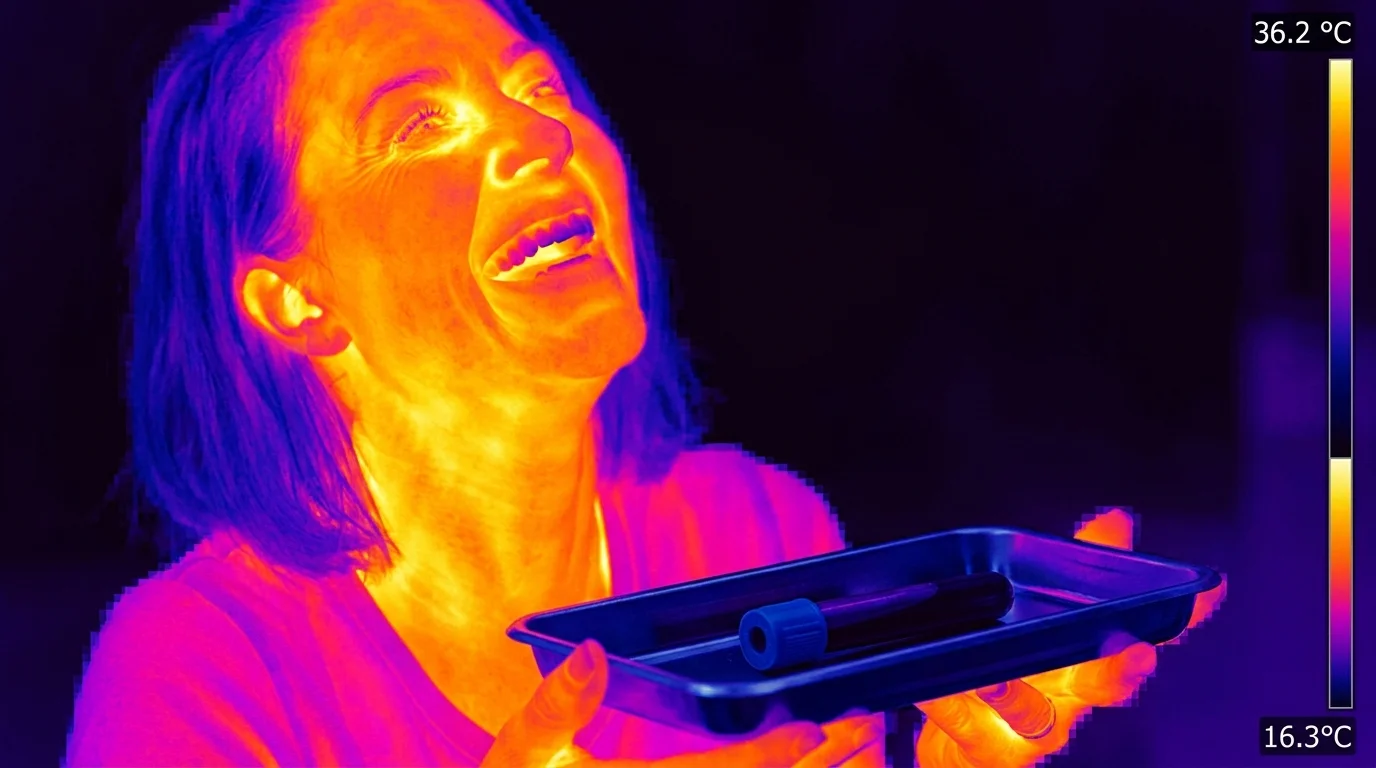
A red-capped blood vial sits on a cold stainless steel tray, reflecting the harsh fluorescent light of the clinic. Outside the window, traffic hums, a distant murmur of a city in constant motion. Inside, the paper on the examination table crinkles with every slight shift of your weight. You came in for your standard yearly physical, expecting the usual routine: a quick blood pressure check, a brief listen to your lungs, and a standard metabolic panel that always comes back “within normal limits.”
But the atmosphere in primary care has quietly shifted. The old checklist—the one that treated your heart, your kidneys, and your blood sugar as separate, isolated silos—is crumbling. Doctors are looking at that single vial of blood with a new, urgent lens, realizing that the old boundaries we drew around our internal organs were entirely artificial.
For decades, we believed that if our cholesterol was decent and our basic blood sugar check was stable, we were cleared for whatever life threw at us. This comfortable illusion is being shattered by a newly classified systemic condition that bridges three previously separate fields of medicine.
The Integrated Highway: Why Isolated Labs Fail
To understand this shift, imagine your body not as a collection of independent organs, but as a complex municipal water system. If the water pressure spikes at the main pump, the filtration plants downstream begin to suffer microscopic damage. If the chemical composition of the fluid changes due to excess fuel, the pipes rust from the inside out. This is the core logic of Cardiovascular-Kidney-Metabolic (CKM) syndrome. The medical establishment is undergoing a massive policy pivot because we now know that these systems fail in tandem, long before standard symptoms surface on an EKG.
Treating a heart murmur or high blood pressure without assessing the filtration rate of your kidneys is like patching a tire without checking if the axle is bent. The new guidelines demand that we look at the systemic feedback loop, recognizing that metabolic health directly dictates the longevity of our cardiovascular tissue.
- Super mover walking speed benefits dominate fitness chats replacing grueling marathon training
- Cyclospora parasite outbreak searches surge as contaminated berries flood local grocery aisles
- Baseboard heating vents quietly dehydrate your nasal passages destroying deep sleep cycles
- Ashwagandha gummies deliver destroyed active compounds completely useless for stress relief
- Standing desk mats force your pelvic tilt into painful lower lumbar compression
Consider Dr. Evelyn Vance, a preventive cardiologist in Chicago who spent years watching patients in their late forties suffer sudden, unexplained fatigue during simple neighborhood runs. “We used to clear these patients based on clean stress tests,” Dr. Vance explains. “But when we started looking at early-stage kidney filtration markers, we realized their hearts were working twice as hard because their kidneys were quietly struggling to balance systemic fluid volume. Once we addressed the kidney-metabolic link, their stamina returned.”
Identifying Your CKM Profile
The manifestation of CKM syndrome is not uniform; it adapts to your specific lifestyle footprint. Identifying where you fall on this spectrum determines how your physician must alter your annual screening.
The Sub-Clinical Performer
This profile belongs to the active individual who eats well but carries high internal stress. For you, routine blood work looks pristine, yet you experience unexplained afternoon energy crashes and mild fluid retention in your ankles after long flights. Your system is managing the load, but the underlying metabolic reserve is running thin.
The Lifestyle Transitioner
If you are navigating midlife changes, fluctuating hormones, or a more sedentary desk routine, your body’s ability to process glucose is shifting. For this group, minor spikes in blood pressure are often dismissed as simple stress, but they actually signal the early stages of CKM stress, where the kidneys must work overtime to flush metabolic byproducts.
The New Screenings: Your Tactical Toolkit
Navigating this medical policy shift requires proactive advocacy during your next clinic visit. You can no longer rely on your doctor to run the “usual” panel. To protect your system before starting any new fitness routine, you must request specific, sensitive markers.
The critical addition to your blood panel is the uACR (Urine Albumin-to-Creatinine Ratio) test, paired with a Cystatin C blood test. Unlike traditional creatinine tests, which only show damage after significant kidney function is lost, Cystatin C provides a highly sensitive, real-time look at your filtration rate, unaffected by muscle mass or diet.
- Request the Right Markers: Ask your physician specifically for a Cystatin C serum test and a spot uACR urine test.
- Monitor Your Baseline: Ensure your estimated Glomerular Filtration Rate (eGFR) is calculated using both creatinine and Cystatin C for an accurate systemic view.
- Track Your Fluid Dynamics: Keep a log of minor swelling in your extremities or sudden, unexplained weight shifts of two to three pounds over forty-eight hours.
- Optimize Blood Pressure Timing: Measure your blood pressure at home in the quiet of the morning, before consuming caffeine or opening work emails.
Beyond the Checklist
The realization that our vital organs speak to one another in a continuous, quiet dialogue changes how we view daily vitality. It frees us from the anxiety of chasing individual lab numbers and invites us to listen to the subtle signals of systemic harmony. By shifting our focus to the unified flow of our cardiovascular, kidney, and metabolic systems, we reclaim control over our long-term health. That red-capped vial on the tray is no longer just a routine errand; it is a map of your internal resilience, offering the precise coordinates you need to move forward with absolute confidence.
“The silent dialogue between your kidneys and your heart is the truest metric of your physical resilience.” — Dr. Evelyn Vance
| Key Point | Detail | Added Value for the Reader |
|---|---|---|
| Cystatin C Test | A highly sensitive blood marker for kidney filtration. | Identifies early dysfunction years before standard creatinine tests flag a problem. |
| uACR Urine Test | Measures trace amounts of albumin protein in your urine. | Acts as an early warning system for vascular damage and cardiovascular strain. |
| Systemic CKM Screen | Evaluates the feedback loop between heart, kidney, and metabolic pathways. | Allows you to safely start fitness routines without triggering hidden organ stress. |
Frequently Asked Questions
Why isn’t my standard yearly blood work enough anymore? Standard metabolic panels check creatinine, which only spikes after significant kidney function is already lost, missing early cardiovascular-kidney-metabolic warning signs.
What exactly is CKM syndrome? It is a newly defined medical classification recognizing that cardiovascular disease, kidney disease, and metabolic disorders like type 2 diabetes are deeply interconnected stages of a single systemic condition.
Which specific test should I ask my doctor for before exercising? You should ask for a Cystatin C blood test alongside a spot Urine Albumin-to-Creatinine Ratio (uACR) to confirm your kidneys can handle the fluid shifts of intense training.
Can early CKM syndrome be reversed? Yes, identifying CKM early allows for simple lifestyle adjustments, targeted hydration, and blood pressure optimization to fully restore systemic balance.
Does insurance cover these new tests? Most major insurance plans cover Cystatin C and uACR when ordered by a physician to investigate fatigue, blood pressure changes, or metabolic health markers.