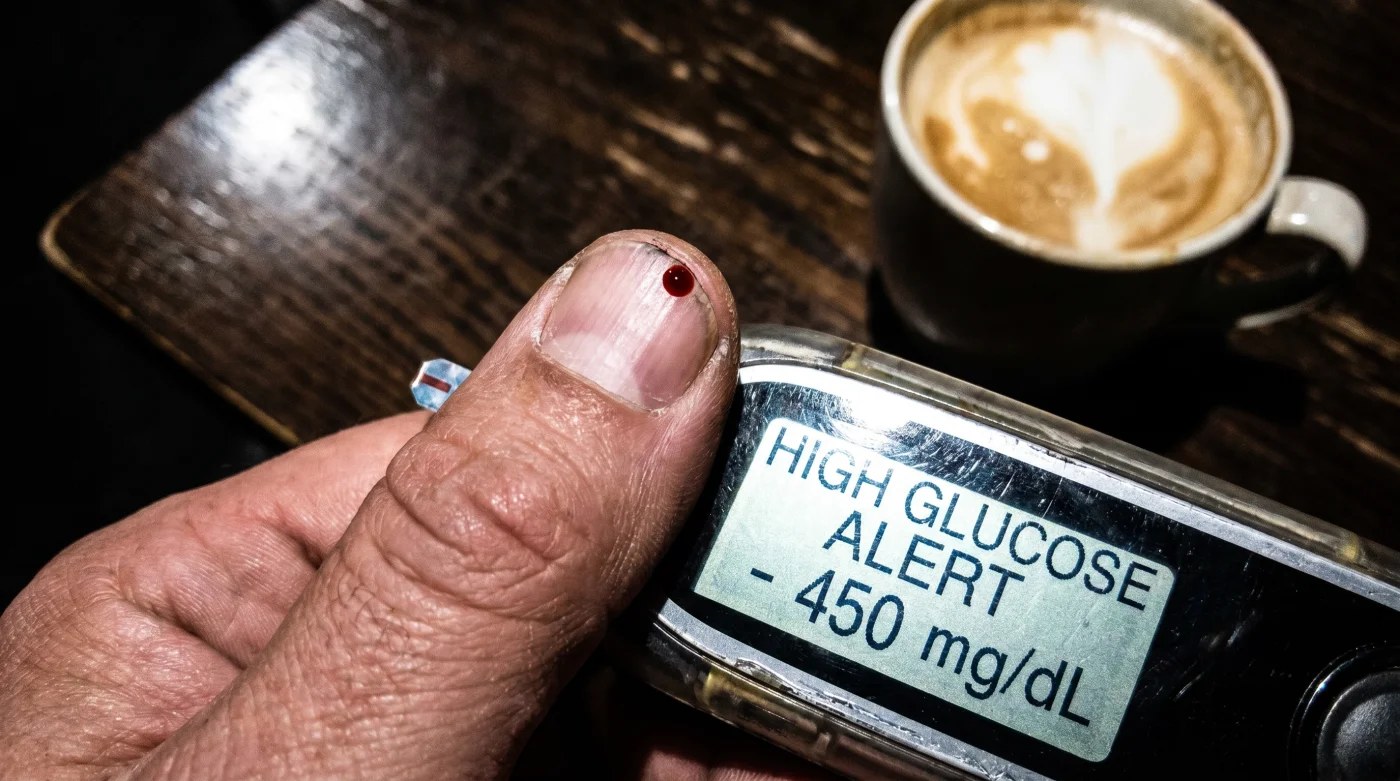
You step out of the brisk morning air and into the warmth of your local cafe, greeted immediately by the dark, roasted scent of espresso. The espresso machine hisses, grinding beans with a rhythmic mechanical hum. The barista nods, already reaching for that familiar, aesthetically pleasing carton. You watch the thick, creamy liquid cascade into the cup, swirling into a perfect, symmetrical rosette. It feels like a small, daily act of self-care.
Choosing a plant-based alternative usually comes with a quiet sense of pride. You picture fields of whole grains, imagining a choice that supports both your joints and the environment. We inherently trust the carton with its earthy tones and minimalist typography, assuming the beige liquid inside acts just like the steel-cut oatmeal our grandparents ate. It feels like an automatic health upgrade, a way to avoid dairy while still indulging in a comforting morning ritual.
Yet, thirty minutes after that final sip, a strange hollow feeling settles behind your ribs. Your focus fractures. A heavy lethargy pulls at your eyelids. You might blame the caffeine wearing off, or perhaps a poor night of sleep, but the actual culprit is quietly surging through your veins. That unassuming, earthy beverage is hitting your bloodstream with a velocity that rivals a bright red can of soda.
The Alchemy of Liquid Grains
To understand why your morning latte acts like a biological wrecking ball, you have to look at how a hard, fibrous oat transforms into a barista-approved foam. It requires an aggressive, invisible biological shortcut. Manufacturers cannot simply blend oats and water to get that rich texture; the liquid would separate and turn slimy when heated.
Instead, they use specific industrial enzymes to break down the complex starches of the oat so it flows exactly like full-fat dairy. This enzymatic processing acts as a sort of mechanical digestion outside of your body. By the time the liquid hits the paper cup, the structural integrity is gone, leaving behind a highly concentrated simple sugar called maltose. You are essentially drinking pre-chewed carbohydrates.
Think of it like taking a dense log of firewood and turning it into vaporized gasoline. Your body no longer has to work to break down the cellular walls or the fiber. Instead of a slow, steady burn of sustained energy, the maltose floods your system instantly. This demands an immediate insulin response from your pancreas to force all that sugar into your cells, sparking the exact mechanisms that drive massive insulin resistance over time.
This invisible metabolic crash became undeniably clear to Mark, a 34-year-old software developer and avid home barista. Frustrated by a thick midday brain fog that was ruining his productivity, he attached a continuous glucose monitor to his tricep for a month. He spent the first week simply tracking his usual breakfast routine—a large oat milk flat white on an empty stomach. Every single morning, his digital glucose graph looked like a jagged mountain peak, shooting up faster and higher than when he intentionally drank a twelve-ounce soda as a baseline control test. His assumed healthy choice was secretly driving a daily cycle of intense spikes, followed by exhausting, focus-destroying crashes.
Navigating the Dairy-Free Divide
Not all coffee habits require the same level of intervention. The goal is not to punish yourself, but to align your morning ritual with your actual metabolic needs. Depending on your routine, you can modify your order without losing the warmth and comfort of a cafe visit.
For the Pure Bean Advocate: If you truly love the taste of coffee, this is the moment to explore the roasted seed itself. Lightly roasted Ethiopian or Colombian coffees carry natural sweetness and delicate notes of jasmine, berry, or chocolate. Brewing a black pour-over or ordering a simple Americano completely bypasses the glucose problem, letting the true terroir of the coffee shine through without any heavy masking agents weighing down your palate.
For the Texture Chaser: If your daily latte is purely a vehicle for thick, velvety foam, consider pivoting to unsweetened macadamia or almond milk. These nuts are predominantly fat rather than carbohydrate. While they might lack the aggressive, sugary bite of processed oats, their lipid profile serves to stabilize your blood sugar while still providing that necessary, comforting creaminess against the sharp acidity of the espresso.
For the Weekend Indulger: If you simply cannot part with the rich, malted flavor of oat milk, shift the timing of your consumption. Drink it after a robust, savory breakfast of eggs and avocado rather than on an empty stomach. Having protein and fat in your digestive tract first acts like a physical sponge. This biological buffer slows down the rate at which the maltose hits your bloodstream, softening the spike into a gentle, rolling wave.
Recalibrating Your Morning Ritual
Protecting your metabolic health doesn’t mean you have to surrender your cafe visits or give up the comfort of a warm mug between your hands. It simply requires a slight shift in how you order, observing the menu critically with an informed eye. Treat your coffee additions as carefully as you treat the solid food on your dinner plate.
The execution of this shift relies on a few simple, intentional adjustments. These are physical acts of self-preservation that take seconds to implement. You want ingredients that support your cellular energy rather than hijack it.
- Inspect the carton label for the carbohydrate-to-protein ratio; always aim for alternatives with less than 3 grams of net carbohydrates per serving.
- Swap to a heavy splash of real, high-quality heavy cream or half-and-half if you tolerate dairy, as the animal fats significantly delay gastric emptying.
- Ask your barista to split the milk, using half unsweetened almond milk and half hot water, creating a lighter, silkier texture with a fraction of the glycemic load.
- Walk at a brisk pace for ten minutes immediately after drinking your latte; light muscular contraction physically draws glucose directly from your blood without needing insulin.
Building a better cup of coffee is about working with your biology rather than fighting against it. Small, deliberate adjustments in the milk pitcher translate directly to hours of sustained mental clarity and physical calm at your desk.
Beyond the Plant-Based Halo
We often fall into the comfortable trap of letting food marketing dictate our physical intuition. We see a rustic label with pictures of rolling farm fields and we immediately outsource our well-being to a manufacturer. We forget that real health requires continuous, personal observation rather than blind faith in a grocery store aesthetic.
Recognizing the hidden impact of enzymatic processing isn’t just about cutting out a specific beverage or fearing a carbohydrate. It is a fundamental shift toward body literacy. When you start paying attention to how a single cup of coffee makes your joints feel by mid-morning, how it affects your patience before lunch, or how it alters your focus during a meeting, you reclaim absolute authority over your daily energy.
You stop guessing why you feel exhausted and start reading the very real signals your metabolism is sending you. You become the absolute expert on your own biology. And that quiet, internal understanding is far more comforting than any latte.
‘True nutritional clarity begins the moment we stop reading the front of the packaging and start listening to the physical echoes of the food within us.’
| Key Point | Detail | Added Value for the Reader |
|---|---|---|
| Enzymatic Processing | Oat starches are broken down into maltose to mimic dairy texture. | Explains the unseen chemical shift that turns a healthy grain into liquid sugar. |
| Glycemic Load | Maltose enters the bloodstream rapidly, often peaking higher than regular cane sugar. | Helps you understand why midday fatigue and brain fog occur despite caffeine intake. |
| Strategic Swaps | Using high-fat nut milks or consuming coffee after a high-protein meal. | Provides immediate, actionable workarounds without sacrificing your cafe routine. |
Practical Inquiries
Why does oat milk taste so naturally sweet?
The production process uses enzymes to chop complex oat carbohydrates into simple maltose sugars, creating an artificially sweet profile even without added cane sugar.Is making my own oat milk at home better?
Yes, homemade versions lack the commercial enzymatic breakdown. It will be less creamy and won’t froth as well, but it won’t cause the same aggressive glucose surge.Does this mean all plant-based milks are bad?
Not at all. Milks derived from nuts or seeds, like almond, hemp, or macadamia, are naturally higher in fat and lower in carbohydrates, making them far gentler on your metabolism.Can I still drink oat milk if I exercise?
Consuming it directly before intense physical activity allows your muscles to utilize the rapid glucose spike for energy, rather than storing it or triggering a massive insulin crash.What is the best alternative for achieving latte art?
If you avoid dairy, barista edition almond or soy milks use added stabilizers that foam well without relying on a massive carbohydrate base.