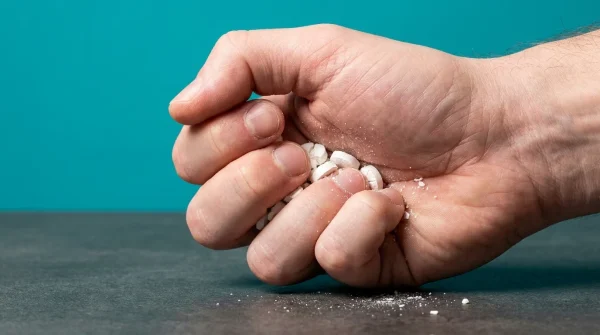
You watch the water turn a cloudy, murky brown as you stir the fine powder into your favorite mug, watching gritty green sediment settle stubbornly against the ceramic rim. The smell is damp, bitter, and unmistakably raw—reminiscent of steeped lawn clippings or crushed forest moss. You take a swallow, bracing against the astringent bite, believing you are nursing your system with an ancient, untamed botanical remedy for your daily aches and afternoon fatigue.
For the first few hours, a soft warmth blankets your nervous system. Your shoulders drop away from your ears, the background hum of physical tension quietens, and your mind settles into a calm focus. It feels like an uncomplicated victory—a clean, non-pharmaceutical shortcut to ease the wear and tear of a long workweek.
Then the quiet cost reveals itself in your lower abdomen. Your digestive rhythm completely freezes, leaving you with a sensation not unlike swallowing wet concrete that slowly hardens behind your navel. No matter how many glasses of chilled tap water you drain throughout the afternoon, your tongue remains coated and parched, your lips stay dry, and your intestines feel completely immobilized.
The Mechanical Halt: When Herbal Tonics Act Like Internal Brakes
The wellness narrative around steeped botanical powders often treats plant matter as inherently gentle, but your digestive system recognizes chemistry, not marketing labels. When you sip steeped kratom powder, you introduce potent alkaloids—chiefly mitragynine and 7-hydroxymitragynine—directly into your gut tract. These compounds do not simply pass through like chamomile or green tea; they actively bind to the identical mu-opioid receptors densely woven throughout your enteric nervous system.
Think of your gastrointestinal tract as a rhythmic, wave-like conveyor belt designed to move fluids and nutrients forward without pause. The moment these botanical alkaloids bind to those local receptors, they shut down natural peristalsis in a matter of hours. The muscular contractions that push food along drop to an absolute crawl, turning a fluid digestive process into a stationary holding tank.
To make matters worse, the plant material itself acts as an aggressive sponge. As the fibrous sediment sits idle in your colon, it draws water out of surrounding tissues while the nervous system signals your gut walls to halt natural secretions. The result is a dual crisis: a physical blockage starved of moisture and a systemic state of cellular dehydration that no standard sports drink seems to touch.
- Wells Fargo GLP-1 pipeline report exposes hidden compounding pharmacy purity risks triggering urgent warnings
- Tucking top sheets tightly traps foot heat derailing deep restorative slow-wave sleep cycles
- Cradling phones with shoulder pinches derails cervical alignment sparking sharp shooting upper back pain
- Drinking warm chicken bone broth resurfaced to rebuild gut linings stopping stubborn stomach bloating
- Raw Manuka honey dressings seal cracked winter skin eliminating expensive cosmetic creams
The Asheville Clinic Observation
Dr. Marcus Vance, a 44-year-old integrative gastroenterologist practicing in Asheville, North Carolina, began noticing a peculiar pattern in his clinic records over the past eighteen months. Patient after patient arrived complaining of sudden, intractable bowel stagnation, acute bloating, and chronic dry mouth, yet their standard lab panels showed no classic autoimmune markers or structural irregularities. Most were health-conscious professionals who had quietly swapped their afternoon espresso or evening glass of wine for daily mugs of murky green leaf powder purchased at local wellness dispensaries.
What Dr. Vance uncovered was a widespread misunderstanding of botanical strength. “People assume that because a leaf is picked from a tree in Southeast Asia and sold in a paper pouch, it behaves like peppermint tea,” he notes. “In reality, regular intake introduces an alkaloid load that completely halts intestinal motility while pulling liters of fluid from vascular tissue directly into an immobile colon.”
Mapping the Disruption: Where the System Breaks Down
The impact of this herbal stagnation depends heavily on how you consume it and the baseline state of your internal ecology.
For the Morning Micro-Doser
If you take small, single-gram doses stirred into warm lemon water for early focus, the effect creeps in subtly. You might not notice full constipation right away, but you will likely experience subtle signs of depleted mucosal fluid reserves: a chalky sensation on your palate by noon, dull skin tone around your cheekbones, and irregular, hard bowel movements that require strain. Because the dosage is low, many people misattribute this sluggishness to poor sleep or dietary fiber deficits, prompting them to consume more roughage, which only compacts behind the paralyzed section of the colon.
For the Chronic Pain Substituter
If you lean on larger, multi-gram brews to blunt joint stiffness or manage daily physical discomfort, the shutdown is rapid and severe. High alkaloid concentrations almost totally freeze peristaltic movement for twelve to eighteen hours at a time. The colon continues to pull moisture out of the stationary waste, forming dense, stone-like impactions that trigger intense pelvic pressure, sharp gas pains, and reflex nausea. In this state, standard hydration simply washes over the problem without penetrating the dried mucosal lining.
Restoring Motility: The Grounded Recovery Protocol
If you are experiencing the dense, locked-up sensation of plant-induced gut paralysis, forcing dry bran flakes or chugging gallons of plain water will only worsen the cramping. You need to coax the neuromuscular signaling back to life while drawing water back into the bowel cavity through osmotic balance.
Step away from the brewing cup and apply these specific, calming steps to restore your internal pace:
- Switch to Osmotic Mineral Support: Plain filtered water often passes straight to your bladder when your intestines are paralyzed. Dissolve 400 to 500 mg of magnesium citrate or magnesium oxide in warm water before bed to naturally draw fluid back into the intestinal lumen.
- Introduce Warm Soluble Lubrication: Consume warm bone broth or stewed flaxseed water rather than raw, scratchy fiber. The soothing mucilage coats irritated intestinal walls without creating bulky blockages.
- Engage Mechanical Abdominal Stimulation: Spend ten minutes each morning performing gentle, clockwise circular self-massage directly along the path of your ascending, transverse, and descending colon to mechanically awaken sleepy smooth muscle tissue.
- Incorporate Electrolyte-Dense Potassium: Alkaloid-induced fluid shifts deplete cellular potassium, weakening muscle contractions. Drink diluted coconut water or fresh celery juice to restore the electrochemical charge needed for muscle firing.
Your Daily Reset Toolkit
To safely ease your digestive tract back into motion, keep these specific parameters in mind:
- Water Temperature: Keep all recovery drinks between 100°F and 115°F; cold liquids cause smooth muscle to spasm and clamp down.
- Movement Window: Walk for 15 minutes immediately after morning hydration to let gravity assist sluggish peristaltic waves.
- Tapering Pace: If you use the powder daily, reduce your scoop size by 20% every three days rather than stopping abruptly to avoid rebound autonomic distress.
Reclaiming Natural Rhythm Over Chemical Stillness
There is an understandable temptation in reaching for a powdered leaf that promises to quiet physical discomfort with a single stir of a spoon. Yet true ease inside your body is never static; it is an active, pulsing rhythm of intake, processing, and effortless release. When an herbal remedy buys you short-term comfort at the expense of your gut’s natural mobility, the trade leaves you depleted from the inside out.
Listening to the subtle complaints of your digestive tract is not a sign of failure—it is your body’s most honest feedback loop. By honoring the delicate muscular waves that keep you hydrated, nourished, and moving freely, you trade the heavy, artificial calm of a cloudy brew for genuine vitality rooted in a responsive, unclogged system.
“True botanical wellness works in harmony with the body’s natural motility, rather than freezing its most vital rhythmic functions.”
| Key Point | Detail | Added Value for the Reader |
|---|---|---|
| Alkaloid Gut Lock | Mitragynine binds directly to enteric mu-opioid receptors, halting peristaltic waves. | Helps you identify that gut stagnation is a neurological reaction, not simple constipation. |
| Osmotic Dehydration | Powdered plant fibers and chemical signaling pull water from tissues into static waste. | Explains why drinking plain water fails to relieve deep thirst or soften impactions. |
| Targeted Recovery | Using warm osmotic minerals and soluble mucilage to restore gentle bowel transit. | Provides an actionable, step-by-step strategy to restart your digestive rhythm safely. |
Frequently Asked Questions
Why does drinking more water not fix the dehydration caused by kratom tea?
Because the active alkaloids impair the gut’s normal fluid-exchange mechanics while slowing motility, plain water often bypasses the impacted intestinal tract and is filtered directly out through the kidneys, leaving your tissues parched.How quickly does gut motility return after stopping the powder?
For occasional users, normal peristalsis typically returns within 24 to 48 hours once active alkaloids clear the enteric receptors; long-term daily consumers may require up to a week of targeted mineral hydration and gentle movement to restore baseline rhythm.Can I just take stimulant laxatives to fix the constipation?
Stimulant laxatives force aggressive cramping against immobilized smooth muscle and can cause sharp abdominal pain; gentle osmotic agents like magnesium citrate paired with warm fluids are far safer and more effective.Does straining the powder into a clear tea prevent gut paralysis?
Straining the gritty plant matter eliminates the physical sponge effect in your colon, but it does not remove the active alkaloids that chemically bind to your gut receptors and halt muscular contractions.What are the early warning signs that an herbal tonic is slowing down my digestion?
Watch for early indicators such as persistent dry mouth despite high water intake, sudden lower abdominal fullness after small meals, reduced bowel frequency, and an unusual coating on your tongue.