The triage bay smells of sharp isopropyl alcohol and damp pavement drifting through the sliding glass doors. You sit under the low hum of fluorescent lights, your forehead burning while a deep, grinding ache settles behind your eyes and wraps around your lower back like a vise. Outside, the mid-afternoon humidity clings to the pavement at ninety degrees Fahrenheit, thick and heavy. You arrived expecting a swift prescription and a bag of fluids, assuming this sudden fever was merely an aggressive summer virus picked up on an afternoon walk.
Instead, the waiting room chairs are full, and the nurses speak in clipped, quiet tones behind the intake desk. When your vitals are checked, the medic does not simply log your temperature; she presses a firm thumb against your forearm, watching how many seconds your skin takes to regain its pale pink tone. Platelet banks run dangerously thin across regional treatment hubs as local caseloads outpace regional stockpiles, forcing frontline staff to rethink how they manage every drop of supportive intravenous therapy.
A sudden spike in diagnostic searches mirrors what triage teams face each shift: an influx of patients presenting with crushing joint pain just as basic therapeutic reserves face unprecedented strain. When a mosquito-borne illness sweeps into areas with stretched clinical infrastructure, the primary danger is rarely the bite itself. The crisis emerges when supportive logistics falter under the weight of sheer volume.
The Leaky Vessel: Rethinking What Dengue Does to the Body
Most people treat a fever like an unwanted fire: you pour cold water on it, swallow an over-the-counter pill, and wait for the embers to cool. But dealing with a systemic arbovirus demands that you look at the body not as a hearth, but as a sealed hydraulic circuit. When the virus replicates, it targets the lining of your micro-vessels, causing the delicate junctions between endothelial cells to loosen like mortar crumbling between bricks.
Fluid that belongs inside your bloodstream begins to seep outward into soft tissues, leaving the vascular highway starved of circulating volume. Capillary walls lose their seal, causing blood pressure to drop while internal tissues quietly swell. This is why doctors panic when platelet counts plunge: platelets are not merely clotting agents for scrapes; they are the cellular masonry workers patching microscopic leaks along miles of internal tubing.
When clinical supplies of donor platelets and specialized crystalloid fluids drop, medical teams must pivot from aggressive interventions to delicate fluid rationing. Flooding a permeable system with too much saline can drown the lungs, while withholding fluids invites shock. Navigating this narrow corridor requires understanding the biological clock of the illness rather than just fighting the surface heat.
- Accepting unwanted favors triggers deep mental exhaustion and strips restorative night sleep
- Crushed rosemary leaves clear thick morning brain fog faster than espresso
- Trapezius knot pressing eases stubborn screen stiffness across tight desk-bound shoulders
- Pennsylvania measles deaths force state health departments into mandatory child immunization audits
- Draping heavy blankets over window frames blocks dawn light for deep rest
Dr. Marcus Vance, a 46-year-old emergency physician practicing along the Gulf Coast, spent three consecutive shifts last week reallocating the hospital’s remaining platelet units to patients teetering on the edge of severe plasma leakage. He noted that the toughest conversations involve explaining to frightened families why an alert patient with a brutal headache is being prioritized for careful oral rehydration salts rather than an immediate intravenous bag, simply because their internal vascular tone has not yet broken.
Mapping the Critical Windows: Where You Stand
Not every case follows the same trajectory, and identifying which phase you or a loved one is navigating can prevent a miscalculated trip to an overburdened clinic.
The Febrile Threshold (Days 1 to 3)
This stage announces itself with sudden, explosive intensity. Your skin flushes, your temples throb, and your joints feel as if they have been packed with gravel. Fevers spike above ordinary limits, often climbing past 103 degrees Fahrenheit without warning. During this window, the virus multiplies rapidly, but the vascular system remains largely stable. The primary trap here is reaching for the wrong fever reducer; taking common non-steroidal anti-inflammatory drugs like ibuprofen, naproxen, or aspirin severely inhibits your already vulnerable platelets, dramatically compounding internal bleeding risks before your blood counts even begin their natural descent.
The Defervescence Pivot (Days 4 to 6)
This is the most misunderstood 48-hour period in tropical medicine. As the fever breaks and your temperature drops back toward normal, instinct tells you the worst has passed. In reality, this marks the exact window where vascular permeability reaches its zenith. Plasma leakage peaks precisely here, making this the phase where emergency beds fill with individuals who suddenly feel dizzy upon standing, experience persistent abdominal tenderness, or notice small rust-colored pinpricks across their shins. Rest, strict fluid balance, and professional monitoring are non-negotiable during this critical pivot.
The Convalescent Recovery (Days 7 and Beyond)
If the vascular walls hold and internal fluids begin to resorb, your body enters a slow, lingering reset. Your appetite returns, but profound fatigue often remains, lingering like a heavy coat for weeks. Fluid overloads must be avoided during this stage, as your kidneys work overtime to filter the plasma returning to your bloodstream.
Mindful Triage: Your Tactical At-Home Protocol
When emergency rooms face supply shortages, your home care strategy must shift from passive bed rest to active, disciplined monitoring. You do not need complex equipment to track whether your circulatory system is holding its ground, but you do need meticulous consistency.
Hydration cannot mean chugging massive volumes of plain filtered water. Pure water dilutes your remaining electrolyte balance and speeds up cellular swelling when vascular seals are compromised. Sip balanced mineral solutions slowly rather than gulping full glasses at once.
- Track Capillary Refill: Firmly press your thumbnail into the pad of your index finger for five seconds until it turns white. Release it and count. If the natural pink color takes longer than two full seconds to snap back, your peripheral circulation is flagging.
- Monitor Urine Frequency and Color: You should produce pale, straw-colored urine at least once every four to six hours. If eight hours pass without a void, or if the output turns amber, your vascular volume is dropping dangerously.
- Screen for Mucosal Bleeding: Inspect your gums after gentle rinsing, check your stool for unusually dark or tar-like discoloration, and look closely at your skin under bright morning light for petechiae—tiny, non-raised red dots that do not fade when pressed.
- Temperature-Paced Rest: Keep ambient room temperature cool (between 68 and 72 degrees Fahrenheit) to reduce metabolic demand and insensible fluid loss through skin sweating.
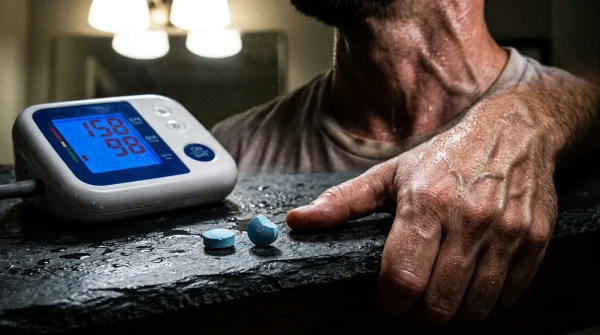
Keep a physical ledger on your nightstand. Record every fluid intake down to the ounce, note the exact time of each bathroom visit, and check your blood pressure twice daily if you own an arm cuff. Clear data eases clinical burden if you ultimately need to step through the emergency department doors, giving triage nurses instant insight into your true hydration status.
The Bigger Picture: Restoring Calm in Volatile Climates
Facing a severe seasonal outbreak during a regional medical supply squeeze is an exercise in focused patience. Panic drives people to crowd clinical waiting rooms before their bodies require advanced support, unintentionally exhausting the very resources needed for those in true vascular distress.
Understanding the cadence of this illness shifts your role from a helpless patient to an observant guardian of your own recovery. By managing hydration with clinical precision and recognizing the subtle warning signs of plasma leakage, you take control of the variables that matter most. Peace of mind is not found in the promise of an empty waiting room, but in the steady knowledge of how to protect your health when systems around you are stretched to their limits.
In a crisis of clinical scarcity, meticulous observation at home protects the hospital bed for the patient fighting for their next heartbeat.
| Key Point | Clinical Detail | Added Value for the Reader |
|---|---|---|
| Vascular Permeability | Dengue causes micro-vessels to leak plasma into soft tissues, reducing blood volume. | Explains why fluid balance matters far more than just knocking down the fever. |
| The Defervescence Trap | The highest risk of shock occurs right as the fever drops (Days 4–6). | Prevents premature relief and alerts you to the exact window when close monitoring is mandatory. |
| Electrolyte Priming | Plain water flushes essential salts; oral rehydration formulas protect blood osmolarity. | Gives you an actionable, home-ready method to maintain circulatory pressure safely. |
| Medication Safety | Aspirin and NSAIDs paralyze platelet aggregation during active viral replication. | Directly eliminates the common self-treatment error that triggers internal bleeding. |
Frequently Asked Questions
Why are emergency clinics rationing fluids instead of just starting an IV?
When vascular walls are porous, pumping aggressive intravenous saline can cause fluids to escape into the lungs and abdominal cavity. Doctors reserve IV therapy for individuals showing clear clinical signs of shock to avoid serious pulmonary complications.Which fever reducers are safe to take during a suspected dengue infection?
Acetaminophen is the only recommended over-the-counter fever reducer. Medications such as ibuprofen, naproxen, and aspirin impair platelet function and irritate stomach linings, significantly raising the risk of severe hemorrhage.What is the single most reliable sign that I need to go to the hospital immediately?
Persistent, severe abdominal pain paired with intractable vomiting or sudden lightheadedness when sitting up indicates plasma leakage and requires immediate emergency evaluation, regardless of local clinic wait times.Can I catch dengue fever directly from another person who is sick?
No, dengue cannot spread person-to-person through touch, respiratory droplets, or casual contact. It requires an infected Aedes species mosquito to bite an infected individual and subsequently bite another human.How long do low platelet levels usually persist during recovery?
Platelet counts typically hit their lowest point around day five or six of illness, then rebound sharply within 48 to 72 hours as the bone marrow resumes normal cell production during the convalescent stage.