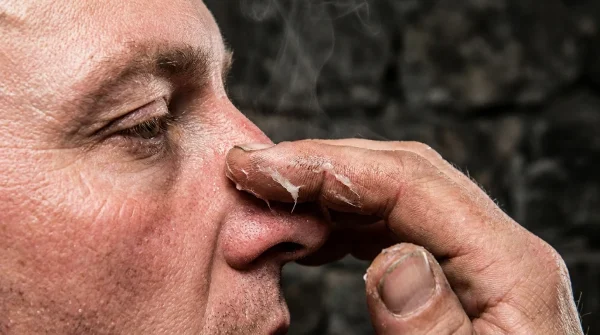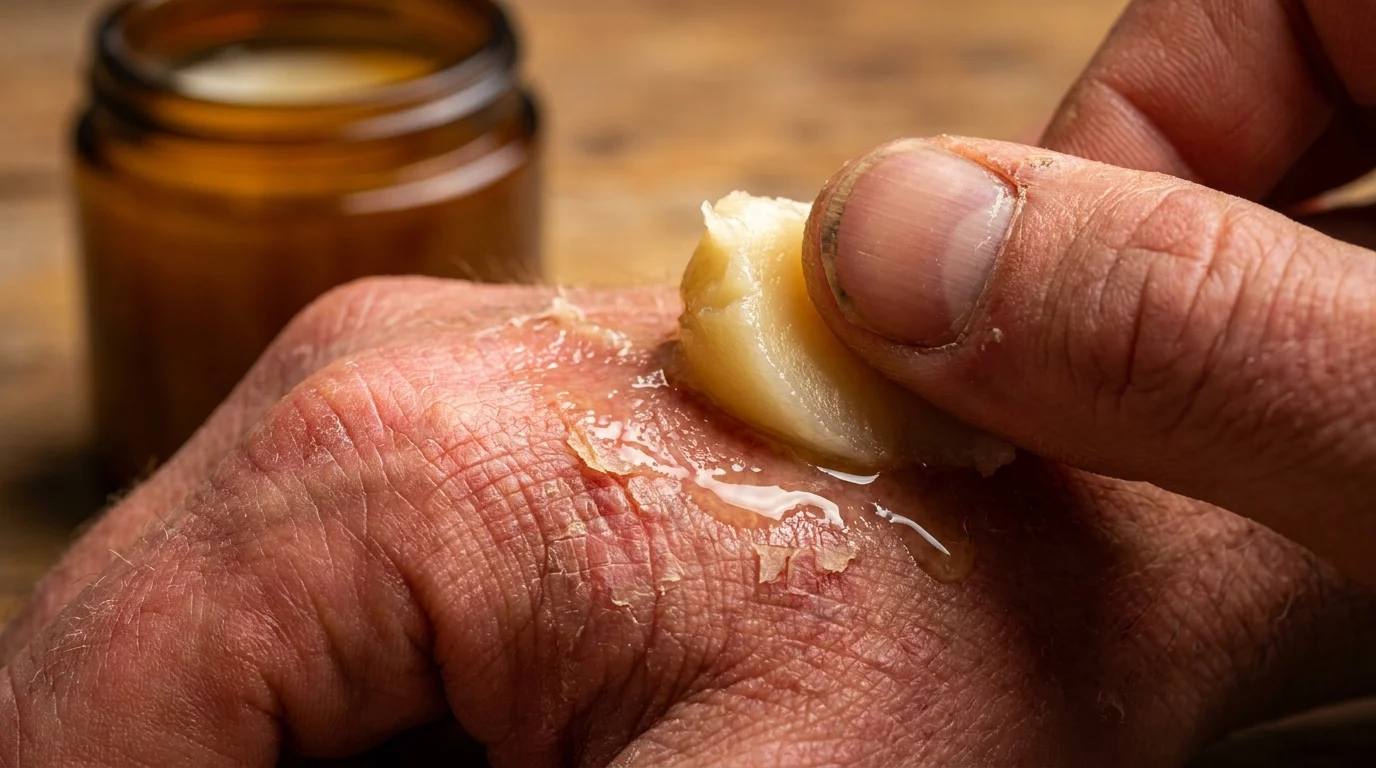
The radiator clanks against the baseboard while the January frost feathers across the glass, and you can feel every movement in your hands. When you bend your fingers to hold a coffee mug, the skin over your knuckles stretches taut as parchment, threatening to split open along the creases. You reach for the pump bottle on your kitchen counter, smoothing on another generous dollop of drugstore cream that promises round-the-clock hydration. It feels cool, gives off a brief sting like lemon juice in a shallow cut, and then disappears into thin air ten minutes later, leaving your palms chalky and your fingertips snagging on wool sweaters.
That cycle repeats all winter long. You wash your hands after cooking or cleaning, slap on another layer of water-based lotion, and watch your knuckles redden into raw, angry fissures. Modern formulas look clean on bathroom shelves, but they evaporate almost as fast as you apply them, often leaching away whatever natural moisture remained in your skin.
There is another way to protect yourself, one that generations of homesteaders, ranchers, and craftspeople quietly relied upon before cosmetic chemistry took over drugstore aisles. Traditional beef tallow, rendered slowly until it transforms into an ivory, velvet-soft balm, does what light lotions cannot: it creates a protective barrier that seals micro-tears and lets skin heal itself from the inside out.
The Water Illusion: Why Modern Lotions Fail Cold Skin
To understand why commercial moisturisers leave your hands begging for relief, you have to look at the bottle's first ingredient. Almost without exception, it is purified water. Rubbing water into dry, cracked skin during sub-freezing weather is much like trying to seal an unvarnished oak deck with an afternoon rain shower; as the liquid evaporates into dry room air, it pulls natural oils right along with it.
Commercial skincare also relies on synthetic emulsifiers, parabens, and fragrance compounds to keep oil and water bound in a shelf-stable emulsion. On unbroken skin, these compounds might slip by unnoticed, but when your epidermal barrier is compromised by harsh winter winds, those additives trigger instant low-grade inflammation. Your hands burn because the chemical stabilizers are irritating exposed nerve endings.
Traditional beef tallow mirrors human skin in a way synthetic concoctions simply cannot replicate. The fat cells from grass-fed cattle—specifically the nutrient-rich suet fat surrounding the kidneys—possess a lipid profile remarkably close to human sebum. When you warm a tiny dab between your palms, your skin recognises those fatty acids immediately, absorbing them deep into the stratum corneum rather than leaving a sticky, plastic film over the surface.
- Plain table salt pastes draw out stubborn splinters and calm tender swelling
- Raw cacao nibs clear heavy morning brain fog faster than black coffee
- Rotisserie chicken meals paired with antacids spark painful upper belly pressure
- Bottled coconut water triggers sudden postural room spins and trembling leg weakness
- Hard peppermint candies spark stubborn afternoon jaw tension and shooting temple aches
The Potter's Hands: A Workshop Discovery
Clara Myers, a 52-year-old ceramic artist based in upstate New York, spent three decades dreading the onset of November. Working with wet clay beneath running tap water day after day stripped her hands until her thumbs developed deep, stinging fissures that split every time she centered a lump of stoneware on the wheel. Commercial barrier creams washed away within five minutes, and heavy petroleum jellies made her tools slip from her grip.
During a studio visit two winters ago, a local farmer handed Clara an amber glass jar filled with rendered grass-fed suet, whipped with a drop of cold-pressed sweet almond oil. She rubbed a pea-sized amount into her raw knuckles before bed and pulled on a pair of plain cotton gloves. By morning, the angry redness had muted to a pale rose, and within four days of nightly use, the jagged fissures along her thumbs had completely closed. For Clara, it was not an aesthetic trend; it was the quiet return of functional, pain-free hands.
Balancing the Fat: Tailoring Tallow to Your Routine
Not every set of winter hands suffers from the exact same degree of exposure. Depending on your daily tasks and ambient climate, you can select the texture and fat blend that suits your routine best without gumming up your keyboards or phone screens.
For the Outdoor Laborer and Heavy Washer
If you spend hours working in unheated garages, clearing snow, or scrubbing dishes in food service, your hands require an unyielding, heavy-duty shield. Use straight, double-rendered suet balm with no added carrier oils. This firm balm stays semi-solid at room temperature (around 68°F) and delivers a concentrated dose of fat-soluble vitamins A, D, K, and E alongside palmitic and stearic acids to shield open wounds from biting winds.
For the Desk Worker and Daily Commuter
If you type on a laptop all day or handle paper files, pure unwhipped suet can feel too dense. Whipped tallow blends—tallowed suet whipped with 10% to 15% jojoba or olive oil—sink in within ninety seconds. You get the lipid-repairing power of animal fat while keeping a light, velvety finish that will not leave smudges on touchscreen devices or steering wheels.
Mindful Application: Sealing Raw Hands in Three Steps
Using beef tallow requires a mental reset if you are accustomed to pumping watery creams from plastic jugs. A jar of rendered fat contains zero fillers, which means a small amount carries immense power. Applying too much leaves you feeling greasy; applying it with the right technique turns damaged skin soft and supple within hours.
- Hydrate first with warm moisture: Never apply tallow to bone-dry skin. Splash your hands with lukewarm water (never scalding, which strips lipids) and pat lightly with a towel so your skin remains slightly dewy.
- Warm a pea-sized scoop: Scrape a tiny amount—no larger than a sweet pea—from your jar. Rub it between your palms until the warmth of your skin melts the solid fat into a golden oil.
- Press into fissures: Instead of rubbing vigorously, firmly press your palms across your knuckles, fingertips, and cuticles. Spend thirty seconds gently working the fat directly into the micro-cracks before wiping any excess off your palms with a clean cloth.
Your Tactical Winter Toolkit: Keep a 2-ounce glass jar of grass-fed tallow on your nightstand, a pair of breathable 100% cotton gloves, and set your indoor bedroom humidity to at least 45% using a basic cool-mist humidifier to prevent night-time dehydration.
The Bigger Picture: Reclaiming Uncomplicated Comfort
In a world dominated by fifteen-step beauty regimens and synthetic formulas packaged in disposable plastics, turning back to rendered fat can feel startlingly humble. Yet that simplicity is precisely where its strength lies. When you use a single, unprocessed natural fat that your body instinctively understands, you break free from the cycle of chronic winter dryness and expensive chemical remedies that deliver little lasting comfort.
Taking two minutes before bed to work rich tallow into your weathered hands is not merely a grooming task; it is an act of grounded care for the limbs that build your life, cook your meals, and hold your loved ones. Once you feel your skin knit back together under the care of traditional suet, the glossy bottles of scented lotion will stay on the store shelves where they belong.
“True epidermal repair does not come from inundating skin with water, but from providing the exact ancestral fats required to hold moisture inside.”
| Key Point | Detail | Added Value for the Reader |
|---|---|---|
| Biocompatibility | Tallow mimics human sebum fatty acid ratios closely. | Absorbs into deep skin layers without irritating micro-fissures. |
| True Occlusion | Creates a physical protective seal against cold drafts. | Prevents radiator heat from siphoning baseline moisture. |
| Nutrient Density | Naturally rich in bioavailable vitamins A, D, E, and K. | Accelerates tissue recovery in deeply split winter skin. |
Frequently Asked Questions
Does beef tallow smell like cooked meat on your hands?
Properly rendered and filtered cosmetic-grade suet tallow has a very faint, clean, buttery scent that dissipates within two minutes of skin contact, leaving no lingering food aroma.Will applying beef tallow clog pores or cause breakouts?
Tallow rates low on the comedogenic scale because its lipid balance mirrors human skin oils, making it safe for hands, cuticles, and even dry winter faces without congesting pores.How long does a jar of rendered beef tallow stay fresh?
Because pure rendered tallow has all water and proteins removed, a tightly sealed jar stored at room temperature away from direct sunlight stays fresh for 12 to 18 months.Can I use grocery store butcher fat, or must it be grass-fed suet?
Suet (the hard fat surrounding the kidneys) contains the firmest stearic acid content, and grass-fed sources yield significantly higher concentrations of anti-inflammatory fat-soluble vitamins.How quickly does tallow heal bleeding knuckle splits?
When applied to damp skin twice daily, stinging subsides almost instantly, and deep winter cracks typically seal within three to five days of consistent application.