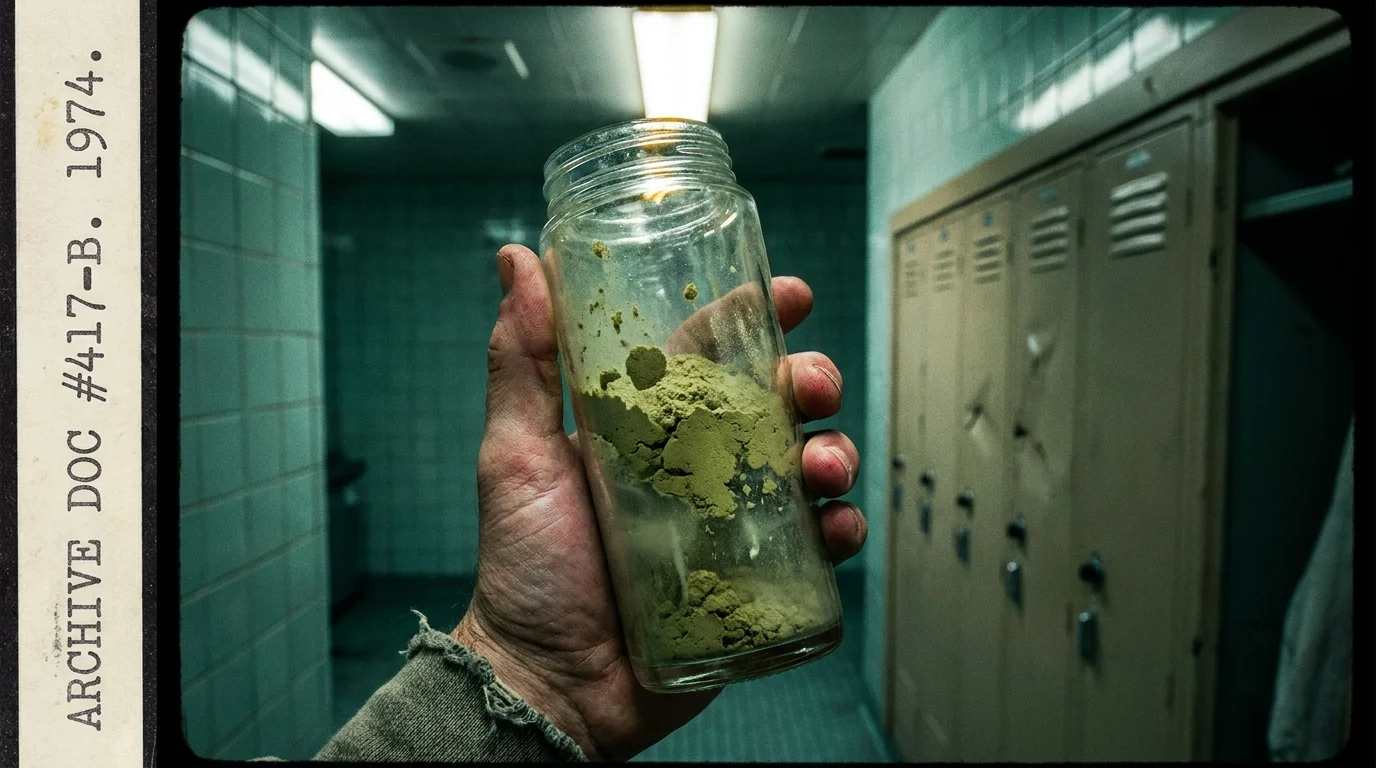
You stand in the quiet gray light of your kitchen, watching a chalky olive-green powder clumping inside a glass shaker bottle. As cold water hits the dry grit, it gives off a sharp, bitter aroma that smells reassuringly grounded, almost medicinal, like an unfiltered matcha or an old apothecary brew. You shake it until the froth rises, drink it down quickly to skip the astringent bite, and assume you have simply chosen a cleaner, plant-based way to power through a grueling work shift.
For months, the ritual feels entirely benign. The subtle lift in mood and the gentle dulling of lower back aches seem to prove the ancient marketing promise that if something grows wild in the soil of Southeast Asia, your biology knows how to process it without friction. There are no blister packs, no warning leaflets, and no synthetic aftertastes to suggest caution.
Then a routine blood panel or a sudden wave of dark amber urine and unexplained nausea derails the narrative. Across the country, emergency rooms and outpatient clinics are logging a steep, sudden climb in emergency toxicology consultations, tracing severe transaminase elevations directly back to that same harmless-looking green sludge.
When search trends spike alongside clinical red flags, the conversation shifts from casual wellness forum banter to an urgent biological reality: your liver does not care whether a compound was synthesized in a sterile lab or harvested from an ancient evergreen tree.
The Metabolic Bottleneck: When Natural Alkaloids Overwhelm Hepatic Traffic
To understand why this powdered leaf is suddenly triggering hospital-grade alarms, you have to look past the plant’s reputation and look directly at your internal plumbing. Think of your liver as a busy downtown intersection managed by a finite crew of traffic controllers known as cytochrome P450 enzymes. These specialized proteins, especially CYP2D6 and CYP3A4, are responsible for breaking down complex foreign molecules into water-soluble byproducts that your kidneys can safely wash away.
Raw botanicals like Mitragyna speciosa are not single, pure nutrients. They are dense chemical factories packing dozens of potent alkaloids, dominated by mitragynine and 7-hydroxymitragynine. When you drink that daily glass shaker mix, you are not just swallowing fiber; you are sending an intense flood of foreign alkaloids straight down the portal vein into your liver tissue.
- Draft stopper door towels block stray floor drafts restoring deep restorative sleep cycles
- Postpartum psychosis hospital protocols enforce mandatory maternal mental checks before discharge
- Slumping into memory foam driver seats traps uneven spine tilt enforcing chronic lower back stiffness
- Raw cabbage leaf wraps resurfaced as proven therapy for soothing swollen hot knee joints
- Raw Manuka honey dressings seal painful paper cuts stopping throbbing nerve sting overnight
In standard small quantities, a healthy organ manages the crossing. But modern consumer preparations feature leaves milled into micro-fine flours or concentrated into super-potent extracts designed for rapid absorption. The hepatic clearance pathways choke under the sheer volume of alkaloids arriving all at once. Instead of clearing smoothly, the compounds linger, creating cellular backpressure that stresses hepatocytes, impairs bile acid export, and leaks intracellular enzymes into your circulating blood.
The View from the Clinic: Greg’s Unnoticed Escalation
Consider the case of Greg Vance, a 42-year-old landscape architect from Richmond, Virginia. Greg spent two years searching for non-pharmaceutical relief from chronic knee pain caused by decades of field work. A coworker handed him his first pouch of leaf powder, describing it as an herbal miracle that kept him sharp and pain-free without a prescription. Within six months, Greg had worked his way up to three heaping scoops a day, mixed into cold citrus juice to cut the chalky grit.
He felt productive until an unexpected bout of profound daytime exhaustion hit. His skin developed a subtle, chalky pallor, and a routine annual physical returned alanine aminotransferase (ALT) levels north of 800 units per liter—more than fifteen times the normal upper limit. His primary care physician initially suspected acute viral hepatitis or severe gallbladder obstruction before a targeted toxicology workup revealed the true culprit: drug-induced liver injury (DILI) driven entirely by the concentrated alkaloid accumulation in his daily shaker bottle.
Mapping the Danger Zones: How alkaloid Loads Divide Users
Not every body reacts to raw leaf powder with identical severity. Hepatic vulnerability depends heavily on dosage pacing, digestive motility, and what else is competing for space on your metabolic clearance grid.
1. The Chronic Heavy Pacer
If you take multiple rounded teaspoons throughout the day to sustain energy or manage discomfort, your liver never receives a true clearance window. Alkaloid concentrations compound continuously in your bloodstream. Over weeks, this persistent load can provoke acute cholestatic injury, where bile stops flowing properly through tiny liver ducts, leading to visible jaundice, intense skin itching, and skyrocketing alkaline phosphatase levels.
2. The Multi-Supplement Stacker
Many people combine their green powder with everyday staples: morning allergy antihistamines, an evening acetaminophen for headaches, or high-dose functional mushroom tinctures. Because these substances rely on the exact same enzyme pathways for breakdown, they fight for clearance. The resulting traffic jam forces both the botanical alkaloids and your common medications to circulate at higher, toxic concentrations for far longer than intended.
3. The Slow-Metabolizer Profile
Genetics quietly govern how fast your liver operates. Approximately ten percent of the population carries genetic variations that make their CYP2D6 enzymes unusually sluggish. If you fall into this group, an average single serving that a friend tolerates easily can sit in your system for up to 36 hours, turning a seemingly standard dose into an accidental, liver-straining overdose.
Mindful Application: A Practical Protocol for Hepatic Recovery
If you or someone you care about uses botanical leaf powders, protecting your metabolic health requires shifting away from blind trust and taking direct, measurable steps to audit your body’s vital organs.
- Halt Unmonitored Consumption: If you notice unexplained upper-right abdominal tenderness, sudden nausea, or dark, tea-colored urine, step away from all concentrated botanical supplements immediately to relieve hepatic strain.
- Demand the Right Blood Panel: Ask your healthcare provider for a complete Comprehensive Metabolic Panel (CMP) along with a dedicated Liver Function Test (LFT) that specifically checks ALT, AST, Total Bilirubin, and Gamma-Glutamyl Transferase (GGT).
- Track Your Hydration Color: Monitor your baseline urine output every morning. A shift toward dark amber or foamy, brownish tones is often the earliest visible sign that your liver is struggling to clear bile pigments.
- Never Mix with Acetaminophen or Alcohol: Avoid pairing botanical leaf teas with over-the-counter pain relievers or evening alcoholic drinks, as this combination drastically reduces cellular glutathione stores needed for detox.
- Inspect Product Purity: Raw, untested imports frequently carry heavy metal contamination, including lead and nickel, which magnify cellular oxidative stress inside the liver.
The Bigger Picture: Reclaiming True Bodily Sovereignty
There is a powerful psychological comfort in believing that the plant kingdom offers a risk-free sanctuary from the complexities of synthetic medicine. We want natural solutions to be gentle, intuitive, and incapable of harm. But true respect for botanical chemistry means acknowledging its genuine pharmacological power—and its undeniable capacity to overwhelm the human body when misused.
Understanding how your liver handles concentrated alkaloids is not about living in fear of the earth; it is about discarding marketing illusions in favor of metabolic literacy. When you honor the complex, quiet work of your liver, you move away from reckless consumption trends and step into an intentional relationship with your health—one where you never sacrifice your long-term vitality for a temporary boost of energy.
“The liver does not distinguish between a synthetic pharmaceutical and a wild-crafted leaf; it only measures the chemical burden placed upon its clearance pathways.”
| Key Point | Detail | Added Value for the Reader |
|---|---|---|
| Enzyme Overload | Mitragynine saturates CYP450 liver enzymes. | Explains why natural remedies still cause drug-induced toxicity. |
| Hidden Symptom Signals | Dark urine, pale stools, and sudden lethargy. | Gives you early diagnostic cues before permanent damage occurs. |
| Stacking Hazards | Mixing leaf powder with common pain relievers. | Prevents dangerous liver enzyme spikes caused by combined metabolic strain. |
Frequently Asked Questions
Can raw leaf powder cause permanent liver damage?
In most documented clinical cases, drug-induced liver injury from botanical powders resolves once you discontinue use, but severe cholestatic damage may take several months of medical care to normalize completely.How long does it take for liver enzymes to spike after starting use?
Enzyme surges can occur anywhere from two weeks to six months after beginning regular use, depending on your individual genetic metabolism and daily dosage volume.What are the first physical warning signs of hepatic stress?
The earliest signals typically include unexplainable fatigue, light-colored or clay-like stools, tea-colored urine, sudden skin itching without a rash, and a dull ache in the upper right abdomen.Does drinking extra water prevent alkaloid-induced liver strain?
While adequate hydration supports kidney clearance, water alone cannot accelerate the rate-limited enzymatic reactions required by your liver to break down heavy alkaloid loads.Are liquid extracts more dangerous to the liver than whole-leaf powders?
Yes, concentrated extracts deliver massive doses of isolated alkaloids rapidly into the bloodstream, creating an immediate, severe metabolic bottleneck compared to raw leaf fibers.