The midday light cuts across the conference table, bouncing off glossy laminated agendas and lukewarm paper cups of stale roast coffee. Someone across from you has just taken credit for three weeks of your team’s labor, tossing in an offhand critique about your turnaround time for good measure. Every instinct in your chest contracts, yet your face acts entirely on autopilot. You tuck your chin slightly, tilt your head, and flash an agreeable, placating smile.
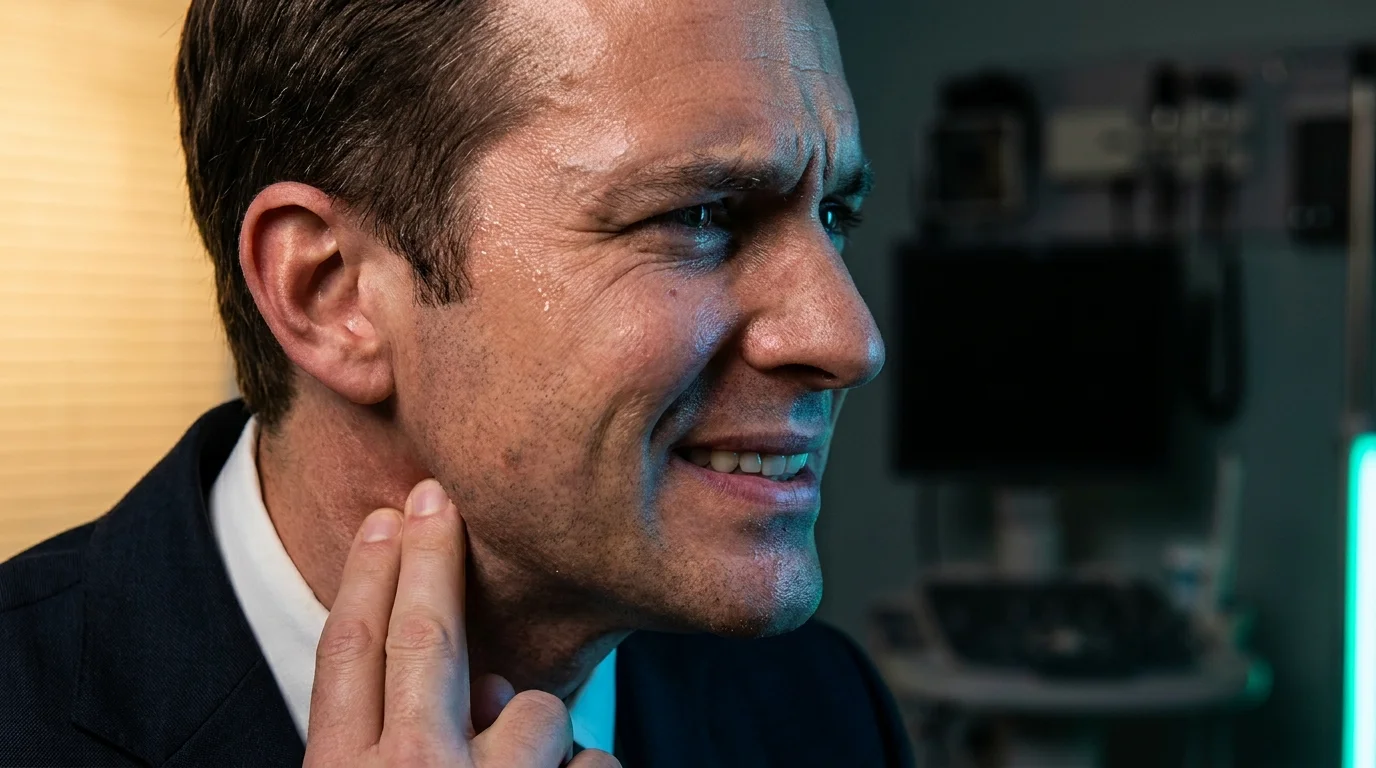
Beneath the skin, the physical cost registers instantly. You can feel the trembling cheek muscles fighting to maintain that paper-thin grin while your molars grind together in quiet protest. Your voice stays measured, airy, and non-threatening, but your fingernails dig steady half-moons into the soft flesh of your palms beneath the table rim.
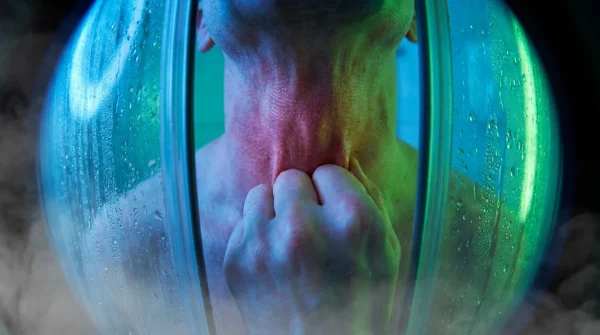
By two in the afternoon, your throat feels curiously scratchy, as if you have spent an hour speaking through dry sand. A sudden wave of lethargy pulls at the backs of your eyes, heavy and sudden, leaving you searching your pockets for throat lozenges and wondering how a routine status meeting turned into what feels like the onset of the flu.
Most professionals believe that smoothing over sharp edges with an obliging smile protects their workplace standing and preserves personal peace. In truth, that reflexive grin acts like a slow puncture to your biological fuel tank, exchanging temporary social ease for immediate, measurable immune suppression.
The Biological Price of the Mask
When you force a warm smile during an overt boundary crossing, you trap your nervous system inside a profound structural lie. Psychologists call this emotional dissonance, but your physiology recognizes it simply as an ambush where your hands are tied behind your back.
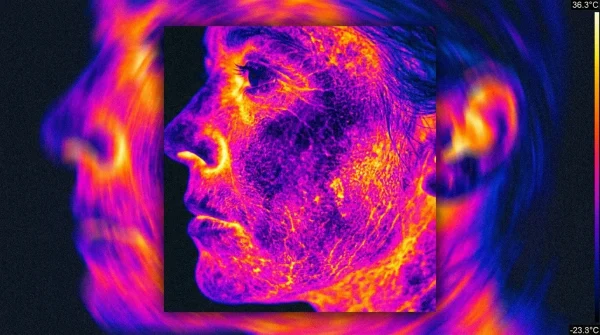
Your amygdala perceives the social threat clearly, instantly initiating a survival sequence that spikes cortisol and pulls blood toward your major muscle groups. Yet your prefrontal cortex demands complete paralysis, clamping down on your vocal cords and pulling your zygomatic muscles upward to perform compliance. This creates a continuous state of sympathetic arousal with no physical outlet, leaving your heart rate subtly elevated while your face impersonates a tranquil pond.
- Piriformis hip muscles trap unaddressed workplace panic sparking tight locked lower back stiffness
- Tight bottom bedsheets lock ankle joints overnight sparking agonizing midnight calf cramps
- Thick leather wallets derail pelvic alignment sparking agonizing sciatic nerve pinches daily
- Traditional cod liver oil resurfaced as liquid armor restoring brittle splitting winter nails
- Ground turmeric root paste stops burning summer heat rash within ten soothing minutes
When this internal gridlock occurs, your body prioritizes immediate defense over maintenance. Mucosal immunity takes the first direct hit. Secretory immunoglobulin A (sIgA)—the primary defense antibody lining your mouth, nose, and digestive tract—drops sharply within thirty minutes of sustained emotional suppression. The barrier that normally blocks everyday ambient pathogens suddenly thins out, turning minor office air recirculations into an open gateway for seasonal bugs.
The Executive Who Smiled Through Every Storm
Consider Marcus Vance, a 43-year-old logistics director in Charlotte known universally across his company as the unflappable diplomat. For four years, Marcus made it his personal signature to absorb board-level pushback and vendor disputes with a relaxed, cheerful chuckle. His colleagues marveled at his thick skin, but his primary care chart told a completely different story: four bouts of acute sinusitis every winter, recurring aphthous ulcers on his inner cheeks, and a reliable 3:00 PM feverish exhaustion that caffeine could not touch.
When Marcus finally agreed to track his physiological markers during an executive wellness pilot, the clinical signal was glaring. His resting heart rate jumped twenty beats per minute during tense budget reviews, even as his spoken tone stayed gentle and smiling. His salivary cortisol surged, while his salivary immunoglobulins plummeted to levels typically seen in patients enduring sleep deprivation trials. His body was not resilient; it was quietly hemorrhaging defense reserves to keep his expression pleasant.
Adjustment Layers for the Chronic Appeaser
Breaking the reflexive grin does not require open rebellion or aggressive posturing in the boardroom. It requires matching your physical exterior to your internal reality without creating unnecessary theater. How you adjust depends entirely on your professional operational zone.
For the Diplomatic Firefighter
If your daily work involves fielding grievances from clients or volatile cross-functional partners, abandon the instinct to project warmth when receiving sharp feedback. Shift instead to the posture of an objective court reporter: neutral facial muscles, unparted lips, and a steady, level gaze. You do not need to scowl; you simply need to release the zygomatic strain that signals total acquiescence.
For the People-Pleasing Team Lead
If you reflexively soften every managerial directive or schedule boundary with a self-effacing giggle, practice the physical pause. When an unreasonable request lands on your desk, allow your face to remain entirely still for three full seconds before you produce a sound. This brief silence breaks the automatic appeasement reflex and prevents the adrenaline surge that follows forced accommodation.
The Somatic Neutral Protocol
Preserving your mucosal immunity during professional friction requires intentional, mechanical decompression. Implement these tactical physical adjustments the next time you feel tension brewing in a professional exchange:
- Unseat the upper molars: Place the tip of your tongue against the ridge just behind your front upper teeth. This physical position makes clenching the jaw mechanically impossible and softens hyperactive cheek tension.
- Adopt the neutral gaze: Let your lower eyelids soften and allow the corners of your mouth to sit level rather than angled upward. You are aiming for the expression of someone reading a train schedule.
- Drop the sub-clavicular brace: Notice if your collarbones are creeping toward your ears to cushion the emotional blow. Exhale fully through your nose, dropping the shoulder girdle by an inch to interrupt sympathetic nerve signaling.
- Ground via plantar contact: Press the balls of both feet firmly into the floor under your chair, diverting motor tension away from your facial structure down into the lower extremities.
Reclaiming Physical Reality in the Workplace
There is no professional virtue in offering your biological health as a shock absorber for other people’s bad manners or poor planning. The polished executive who smiles through every indignity is not demonstrating supreme grace; they are running an internal deficit that eventually collects payment in chronic inflammation and constant sickness.
Stepping away from reflexive politeness does not make you cold, abrasive, or difficult to work with. It makes you biologically honest. When you grant yourself permission to drop the mask, your nervous system stops treating regular working hours like a sustained hostage negotiation. Your cheeks relax, your breath deepens, and your immune barriers remain intact long after the afternoon meeting adjourns.
The highest form of professional authority is not the ability to smile through a hit, but the quiet nervous steadiness that refuses to pretend the hit was a gift.
| Key Point | Detail | Added Value for the Reader |
|---|---|---|
| Sympathetic Split | Holding an artificial smile during confrontation locks the nervous system into fight-or-flight while immobilizing outward action. | Explains why you feel physically drained even after meetings where no voices were raised. |
| Secretory IgA Drop | Emotional dissonance drives rapid, measurable declines in mouth and nasal immune barriers within 30 minutes. | Connects routine office appeasement directly to recurring colds, sore throats, and sinus flare-ups. |
| The Neutral Shift | Trading cheerful appeasement for an unmoving, objective expression preserves metabolic energy. | Provides an actionable behavioral alternative that avoids conflict while halting immune exhaustion. |
Frequently Asked Questions
Does this mean I should frown or scowl during difficult meetings?
No. A scowl consumes just as much metabolic energy and triggers defensive escalation in others. The target state is neutral composure: relaxed lips, soft jaw, and level eyes.Why do I feel physically exhausted after a polite conversation where nothing went wrong?
Suppressing your natural micro-reactions requires significant glucose and oxygen from your brain, draining your prefrontal cortex and leaving you with intense cognitive fatigue.How long after a stressful exchange does immune function recover?
If the emotional tension is not acknowledged and physically discharged, salivary antibody levels can stay suppressed for up to four to six hours after the encounter ends.Can deep breathing at my desk stop this immune crash?
Deep diaphragmatic breaths help, but only if you first drop the physical mask. Conscious breathing while continuing to hold a fake smile creates mixed autonomic signals.What is the fastest way to reset cheek and jaw muscles after a tense call?
Lightly press your fingers into the masseter muscles just below your cheekbones, open your mouth wide into a relaxed yawn, and exhale with a loose, fluttering sound through your lips.