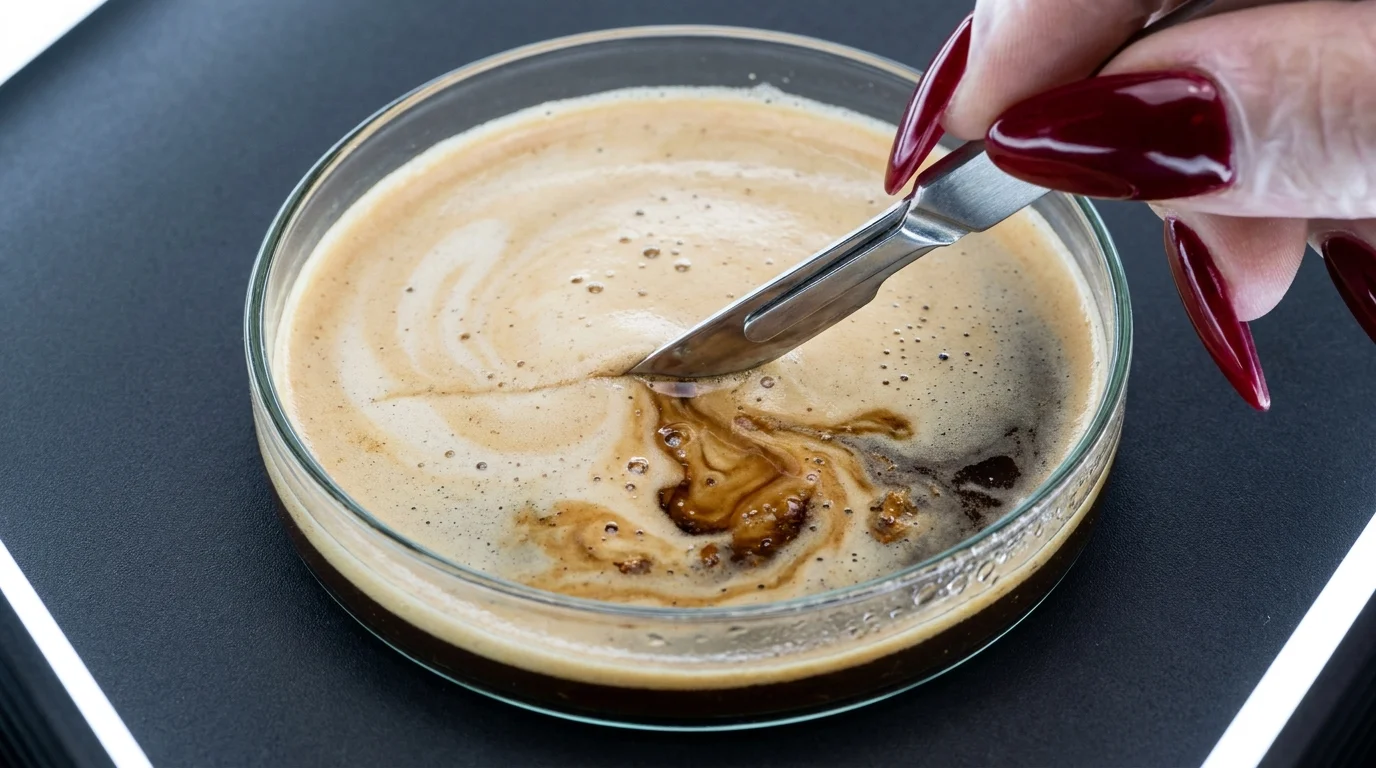
The kitchen is quiet at six in the morning, save for the low hum of the burr grinder and the click of the blue burner flame. You pull the sleek carton from the top refrigerator shelf, giving it that familiar wrist flick before pouring. Watching that creamy beige oat foam dissolving slowly into a dark ceramic coffee mug feels like the very definition of conscious, clean living. It looks harmless, velvety, and modern.
You take your first sip as the steam catches the early dawn light. It tastes mellow, round, and rich, coating your tongue without the heavy tang of cow dairy or the chalky thinness of almond. You settle into your morning tasks feeling virtuous, trusting that this modern plant milk is pacing your system for the demands of another packed day.
Yet right around eleven-fifteen, the bottom drops out from your day. Your temples tighten with a dull, fuzzy pressure, your concentration unravels mid-sentence, and you find yourself standing before the pantry looking for quick carbohydrates you do not actually want. You chalk it up to poor sleep, work deadlines, or the unavoidable fatigue of entering your mid-forties.
The reality is far more biological than personal failure. What poured into your dark ceramic mug was not sustained plant nutrition, but an engineered surge that silently sabotage your morning metabolic baseline.
The Starch Disguise: When Plant Nutrition Becomes Pure Liquid Sugar
To understand why a carton of Califia Farms oat milk leaves you flat on your back before lunchtime, you have to peel back the clean font on the front label. Oat milk is not made by squeezing oats like lemons; it is the end product of an industrial enzymatic bath designed to mimic dairy texture at scale.
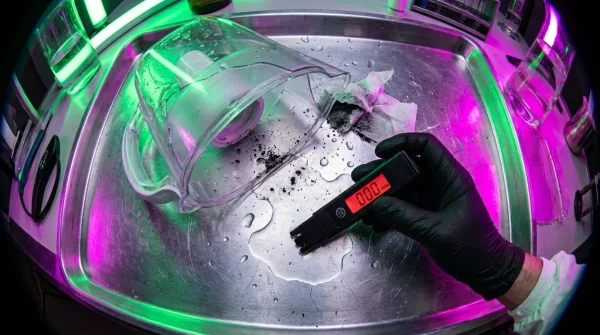
Manufacturers take steel-cut or rolled oats and flood them with warm water and industrial enzymes like alpha-amylase. These enzymes do not merely liquefy the oats. They chew through the long, slow-burning complex starches that make a bowl of whole oatmeal healthy, shearing them into loose chains of rapid-absorbing maltose molecules.
Maltose has a glycemic index around 105, which sits higher on the metabolic scale than straight white table sugar. When you drink that velvety beige foam alongside the caffeine in your espresso, you bypass normal gastric digestion entirely. The caffeine speeds up gastric emptying, shooting liquefied maltose straight into your bloodstream before you have even finished reading your morning emails.
- Fit Crunch protein bars spark intense afternoon cravings by dumping hidden maltitol syrup
- Smiling through confrontation strips executive nervous reserves sparking sudden midday immune crashes
- Piriformis hip muscles trap unaddressed workplace panic sparking tight locked lower back stiffness
- Tight bottom bedsheets lock ankle joints overnight sparking agonizing midnight calf cramps
- Thick leather wallets derail pelvic alignment sparking agonizing sciatic nerve pinches daily
For a twenty-something body with boundless insulin receptors, this surge is handled with quick clearing. But past forty, the hormonal margin for handling sudden liquid starch narrows dramatically.
The Puget Sound Clinic Experiment: A Quiet Discovery in Midlife Fatigue
Consider Elena Ross, a 46-year-old landscape architect in Portland who arrived at functional nutritionist Dr. Arthur Cole’s office after eight months of intractable noon exhaustion. Elena was running four miles every other day, avoided conventional dairy to soothe mild digestive bloating, and religiously drank two large oat milk lattes before 9:00 AM.
Her fasting blood glucose was technically normal on paper, yet a continuous glucose monitor revealed an alarming pattern. Within thirty minutes of her first morning sip, Elena’s blood sugar leaped from a resting 88 mg/dL straight to 162 mg/dL. Her pancreas, responding to the maltose flood, dumped a massive wave of insulin into her circulation to pull the glucose down.
By 11:30 AM, her blood sugar had not just stabilized; it had plunged into a reactive trough of 68 mg/dL. Her brain, starved of immediate fuel by the sharp drop, fired panic signals in the form of cold hands, extreme brain fog, and intense cravings. Once Dr. Cole had her replace the processed oat beverage with clean whole cream and grass-fed butter, Elena’s midday brain fog vanished within three days.
Mapping the Midlife Vulnerability: Three Morning Profiles
The severity of this mid-morning crash depends entirely on how your current metabolic baseline interfaces with liquid maltose. Adults over forty fall broadly into three specific operational zones.
The Fasted Protocol Drinker: If you drink your morning coffee on an empty stomach to extend an overnight fast, oat milk is the worst possible passenger. Without solid fiber, whole proteins, or protective fats in your stomach lining, the maltose absorbs within minutes, triggering a massive insulin shockwave that breaks your cellular fast and drops your core energy before your first meal.
The Cortisol-Dominant Worker: If you wake up already bracing for deadlines or managing demanding family logistics, your baseline morning cortisol is already elevated. Cortisol naturally prompts the liver to release stored glucose into the bloodstream. Layering sixty calories of enzymatically processed oat maltose onto an already glucose-saturated bloodstream creates sustained insulin resistance that turns your afternoon into quicksand.
The Estrogen-Transitioning Profile: For women in perimenopause, declining progesterone and fluctuating estrogen directly reduce muscle insulin sensitivity. In this state, your muscle tissue is far slower to absorb circulating carbohydrates from the blood. Oat milk acts like a metabolic amplifier, exaggerating natural hormonal swings and promoting stubborn visceral fluid retention around the abdomen.
Mindful Re-Engineering: The Zero-Slump Morning Mug
You do not need to drink bitter, stripped black coffee to avoid the midday wall. The goal is simply to shift your morning beverage from a high-glycemic liquid grain slurry back to a stable, slow-release ritual.
Begin by reading labels with a detective’s eye. The issue is not just Califia Farms; it is the fundamental chemistry of oat processing across the entire dairy-alternative aisle.
- Anchor with Pure Lipids: Replace grain-based liquids with whole, unadulterated fats such as a tablespoon of clean heavy cream, pure coconut cream, or a teaspoon of grass-fed ghee. Fats slow gastric emptying and create zero insulin spike.
- Adopt the Buffer Sequence: If you refuse to give up the taste of oats, never drink it on an empty stomach. Consume two scrambled eggs or a handful of raw walnuts ten minutes before your first sip to create an intestinal fiber-protein matrix.
- Audit the Fillers: Check the ingredient list for dipotassium phosphate and sunflower oils, which are frequently added to barista-style oat blends to make them foam. These additives provoke low-grade gut inflammation that further impairs insulin sensitivity.
- Dilute the Starch Load: Cut your oat milk volume by three-quarters, using hot water or unsweetened cashew milk as the primary base while retaining just a single splash of oat for flavor.
These deliberate structural adjustments take less than two minutes to establish. Yet the biochemical return across your working hours is immediately noticeable.
The Bigger Picture: Reclaiming Your Natural Rhythms
True vitality in your forties and beyond is not about chasing aggressive trends or falling for clever marketing dressed in calming earth tones. It is about understanding the quiet, mechanical reality of your own body.
When you stop viewing your body as a machine that needs to be prodded with caffeine and comforted with sweetened grain starch, you unlock a steady, internal calm. You no longer spend your afternoons fighting your own nervous system or scouring desk drawers for sugar to survive a meeting.
The simple choice of what dissolves into your ceramic mug at dawn sets the chemical soundtrack for your entire day. Choose genuine stability, and your afternoons will finally take care of themselves.
The secret to consistent daily vitality lies not in consuming modern conveniences, but in honoring the ancient digestive chemistry of your changing body.
| Key Point | Detail | Added Value for the Reader |
|---|---|---|
| Enzymatic Maltose Formation | Industrial processing breaks whole oat starch into maltose, yielding a glycemic index higher than sucrose. | Explains the precise scientific mechanism behind the mysterious midday drop in focus. |
| Midlife Insulin Sensitivity | Natural hormonal changes past forty reduce the speed at which muscle cells clear rapid glucose surges. | Removes personal guilt by grounding midday fatigue in predictable biology rather than lack of willpower. |
| Lipid-Based Alternatives | Switching to pure coconut cream or grass-fed cream preserves smooth texture without raising insulin. | Provides an immediate, delicious replacement strategy that maintains morning beverage satisfaction. |
Frequently Asked Questions
Is unsweetened Califia Farms oat milk safe from causing a sugar spike?
No. Even with zero added cane sugar on the nutrition panel, the primary carbohydrate structure has been enzymatically converted into maltose, which spikes blood glucose just as aggressively.Why doesn’t eating a bowl of whole oatmeal cause the same afternoon crash?
Intact oatmeal retains its dense cellular walls and rich beta-glucan fiber matrix, which slows down digestion in the stomach and prevents a rapid surge into the bloodstream.Does almond milk produce this same midday energy crash?
Almond milk contains minimal starch and negligible carbohydrates, meaning it will not produce the rapid maltose spike and subsequent insulin crash associated with oat milk.How long after switching creamers will my afternoon energy stabilize?
Most adults notice a dramatic reduction in 11:00 AM brain fog and afternoon cravings within forty-eight to seventy-two hours of eliminating liquid morning maltose.Can I offset oat milk by taking a morning walk after breakfast?
A brisk ten-minute walk immediately after your coffee helps muscle tissue absorb circulating glucose, softening the severity of the spike though not eliminating it entirely.