The cast-iron skillet sits heavy on your front burner, soaking up steady blue heat while you chop garlic on the cutting board. You pour in a generous circle of sunflower oil, admiring its pale, sunlit clarity and light viscosity as it glides effortlessly across the seasoned black surface. On paper, it feels like the cleanest choice in your pantry: seed-pressed, heart-healthy, and boasting a textbook smoke point high enough for a hard restaurant-style sear.
Then the temperature climbs past 375 degrees Fahrenheit. The oil stops shimmering and goes glassy, followed by a faint, wispy veil of white vapor that barely registers against the backsplash tile. You do not smell burning food, yet something invisible catches in the soft tissue behind your uvula. Your sinuses suddenly swell shut, a sharp dryness grips your upper airway, and a strange, heavy pressure settles behind your eyebrows before the skillet even touches a cut of protein.
By the time you sit down to eat twenty minutes later, your plate looks picture-perfect, but your head feels packed with damp cotton. You might blame the change in weather, a stray grain of seasonal pollen, or the fatigue of a long workday under fluorescent office lights. In reality, the culprit was floating invisibly over your stove, born the exact second that delicate vegetable fat met blistering thermal friction.
The Fragile Geometry of Plant Lipids
We are routinely taught to judge cooking oils strictly by their advertised smoke points, treating that single printed number as an absolute shield against kitchen toxicity. But an oil’s structural breaking point rarely announces itself with billows of black soot. Polyunsaturated fats like standard sunflower oil carry a chemical backbone riddled with vulnerable double bonds, making them behave less like sturdy iron cookware and more like dry kindling when subjected to concentrated bottom heat.
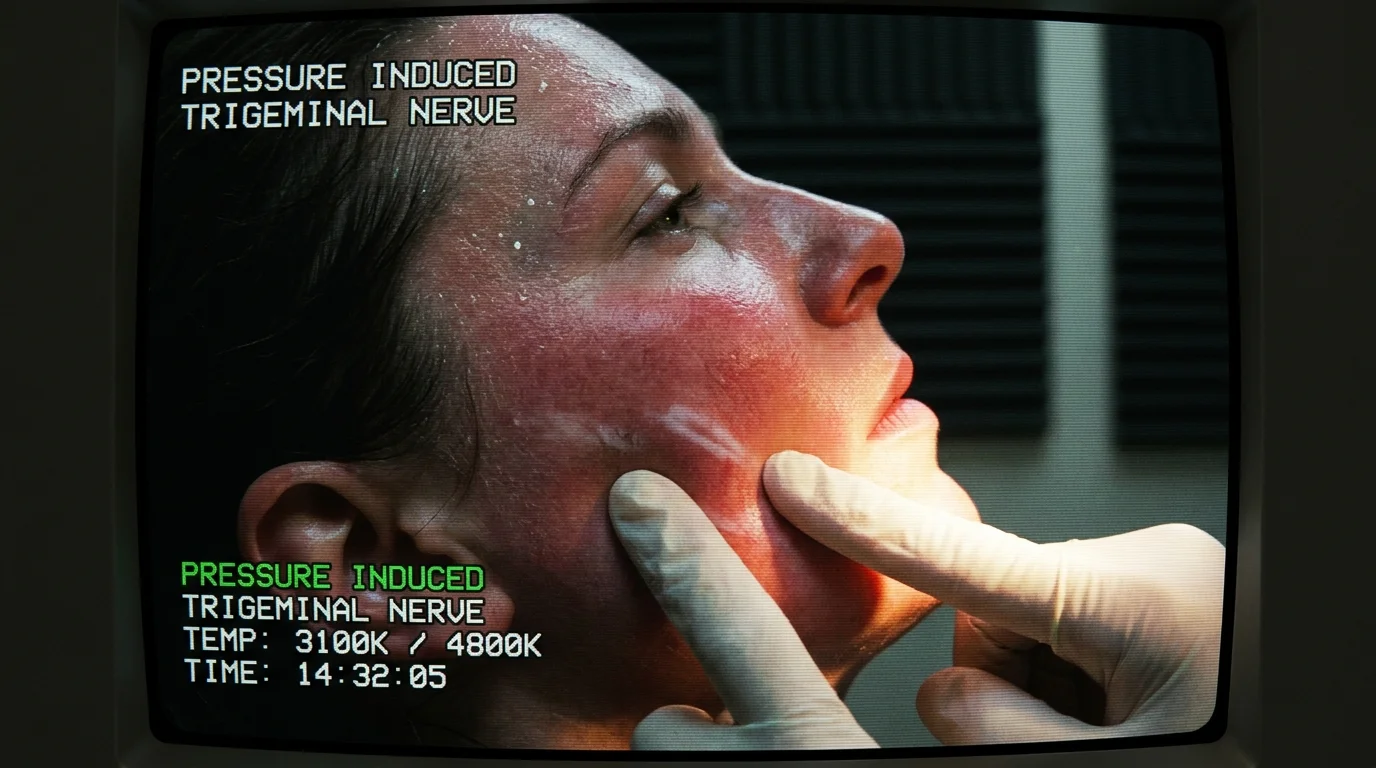
When you drop cold-pressed or standard linoleic sunflower oil into a hot pan, thermal energy attacks those fragile bonds long before the fat begins visibly smoking. The fatty acids fracture through rapid lipid peroxidation, fracturing into volatile organic compounds called aldehydes, including acrolein and 4-hydroxy-trans-2-nonenal. Acrolein behaves like tear gas on a microscopic scale, directly irritating the trigeminal nerve endings that line your nasal passages, triggering immediate localized histamine release and mucosal swelling.
This is why you do not need to burn your dinner to feel poisoned by it. As these aerosolized chemical fragments rise with kitchen steam, you breathe them deeply into your respiratory tract, where they spark acute neuro-vascular dilation. What feels like an oncoming head cold or an unexplained tension headache is actually your respiratory barrier mounting a desperate defense against airborne toxic irritants created right on your stovetop.
- Aquafina purified water flushes essential cellular electrolytes triggering stubborn midday exhaustion
- Plush recliner lounging twists lower lumbar discs sparking stiff morning back aches
- RXBAR protein bars spike hidden blood glucose triggering brutal afternoon energy crashes
- Scalene neck muscles trap buried daily indecision triggering burning nerve shoulder aches
- Avoiding staircase climbs dissolves posterior chain power accelerating stiff hip posture
The Kitchen Chemist: A Lesson from Portland
Dr. Russell Howard, a 52-year-old bio-organic chemist and dedicated home cook in Portland, Oregon, spent nearly three months tracking what he assumed was a recurring, low-grade sinus infection that struck exclusively on weekday evenings. After installing high-precision laser air-particulate monitors throughout his ground floor, he discovered that indoor volatile organic compounds (VOCs) were spiking into hazardous industrial zones within four minutes of his evening skillet routines. Dr. Howard traced the phenomenon directly to the golden, cold-pressed sunflower oil he favored for its neutral finish; once pan temperatures crossed 350 degrees, the oil was silently degassing massive concentrations of cytotoxic aldehydes that hung in his unventilated kitchen air for up to four hours.
Adjustment Layers: Matching Fat Stability to Pan Heat
Protecting your respiratory health does not require tossing out every bottle in your cupboard, but it does demand matching each oil’s chemical resilience to the physical work you ask it to do.
For the Cast-Iron Enthusiast
If your cooking style relies on blistering pan-sears, smoking hot woks, or high-heat blackened crusts, standard polyunsaturated oils must stay off the heat entirely. Reach instead for single-bond saturated lipids or high-oleic monounsaturated options that shrug off aggressive thermal stress without fracturing into volatile irritants. Rendered tallow, clarified butter (ghee), and cold-pressed avocado oil maintain structural cohesion under sustained heat, sparing your sinuses from microscopic chemical assault.
For the Plant-Forward Sauté
When gently sweating aromatics or softening greens over medium heat, you do not need extreme high-heat armor, but you still require chemical stability. Authentic high-oleic sunflower oil—specifically bred to carry monounsaturated oleic acid levels above 80 percent—behaves entirely differently in a warm pan than its standard linoleic cousin. Alternatively, a traditional unrefined extra virgin olive oil delivers dense natural polyphenol networks that actively protect its fatty acids from rapid oxidative breakdown during moderate weeknight cooking.
For the Unheated Purist
Standard and unrefined cold-pressed sunflower oil remains an exceptional, nutrient-dense ingredient when kept far away from the burner. Its rich reservoir of natural vitamin E and delicate nutty flavor thrives in cold vinaigrettes, whisked into raw herb dressings, or drizzled across warm grains right at the table. Treat fragile seed oils strictly as cold finishing sauces rather than thermal shields, allowing their delicate cellular profile to nourish your body without turning your kitchen air into an invisible irritant.
Clearing the Air: A Low-Toxicity Kitchen Protocol
Transforming your evening cooking environment into a clean-breathing workspace takes only a few deliberate, mindful habit shifts. Small adjustments in timing, ventilation, and heat control will instantly eliminate that post-dinner mental haze and nasal throbbing.
- Ventilate Before Ignition: Flip your range exhaust hood to its highest setting at least two full minutes before the burner clicks on, establishing a steady upward air current before heat ever touches oil.
- Watch the Surface Shimmer: Add your high-heat cooking fat to a dry, warm skillet and watch the liquid surface closely; the exact moment it forms delicate, rippling ribbons, drop your food immediately to drop the pan’s surface temperature.
- Never Dry-Heat Seed Oils: Avoid letting polyunsaturated oils sit unattended in an empty hot pan, as unshielded contact with hot metal multiplies the rate of volatile aldehyde generation within seconds.
- Crack a Cross-Breeze: If your kitchen relies on a recirculating microwave fan rather than an exterior vent, crack a nearby window by two inches to dilute lingering aerosolized compounds.
Keep a simple tactical toolkit nearby: an inexpensive infrared surface thermometer to verify that pan temperatures remain below an oil’s volatile degradation threshold, a reliable splatter guard to trap microscopic aerosolized droplets, and heavy stainless steel or seasoned cast iron that distributes heat evenly without creating localized hot-spots that burn fragile fats.
Reclaiming the Vital Air of the Hearth
Cooking at home should be a grounding, restorative ritual that ends with shared conversation, not a throbbing forehead and heavy eyelids. When you understand the quiet chemistry happening inside your cookware, you stop viewing everyday fatigue as an inevitable consequence of aging or stress. Small adjustments to your pantry create immediate physical relief, returning clean air, sharp evening clarity, and deep comfort to the heart of your home.
The kitchen stove should nourish your vitality, not demand that your lungs filter what your skillet could not endure.
| Key Point | Detail | Added Value for the Reader |
|---|---|---|
| Fat Composition | Standard sunflower oil contains elevated polyunsaturated linoleic acid with delicate double bonds. | Helps you identify which kitchen fats degrade into irritant vapors under high heat. |
| Chemical Volatilization | Acrolein and 4-HNE release rapidly around 375°F without dark, noticeable smoke. | Explains why severe sinus congestion occurs even when dinner never burned. |
| Thermal Replacement | Swap to avocado oil, ghee, or high-oleic varietals for pan-searing. | Protects your indoor air quality while achieving professional culinary crusts. |
Frequently Asked Questions
Why do my sinuses react to sunflower oil but not olive oil?
Standard sunflower oil is dominated by polyunsaturated fats that degrade into harsh volatile aldehydes much faster than the monounsaturated fats and protective antioxidants naturally found in olive oil.Does turning on the range hood really make a difference?
Yes, running an exterior-venting exhaust hood removes aerosolized chemical irritants before they disperse throughout your living space and contact your mucous membranes.Can I still use sunflower oil if it is labeled ‘high-oleic’?
Yes, high-oleic sunflower oil has been naturally selected to contain monounsaturated fats that withstand pan heat far better without breaking down into acrolein.Why does the sinus pressure come with brain fog?
Inhaling acrolein stimulates the trigeminal airway nerves and triggers systemic micro-inflammation, leading to rapid cranial vascular changes and temporary sluggish focus.At what temperature should I never exceed with standard sunflower oil?
Keep standard linoleic sunflower oil below 325 degrees Fahrenheit, reserving it almost exclusively for low-temperature baking, gentle dressings, or cold finishing drizzles.