The bedroom clock reads 3:14 AM, its pale red digits cutting through the darkness. One second you are suspended in deep sleep, and the next, your lower leg seizes into an iron knot. Your toes flare backward, your calf hardens like seasoned oak, and you hit the hardwood floor trying to bear weight while your knuckles turn white against the mattress edge. It is a primal, breathless pain that leaves you gasping into the cool bedroom air.
You hobble into the bathroom, flick on the harsh overhead vanity bulb, and chug cold tap water directly from a bathroom cup. You massage the knotted muscle, expecting relief that simply refuses to come. Ten minutes pass while you wait for that pint of water to wander through your digestive tract, yet the fibrous calf knot lingers like an angry electric wire under your skin.
Most people treat these sudden nighttime lockups as simple hydration failures. They assume they neglected their water bottle during a humid afternoon or worked out too hard before dinner. But your body does not contract in agony simply because it lacks pure fluid; it screams because the electrical gates inside your nerve endings have stalled mid-firing.
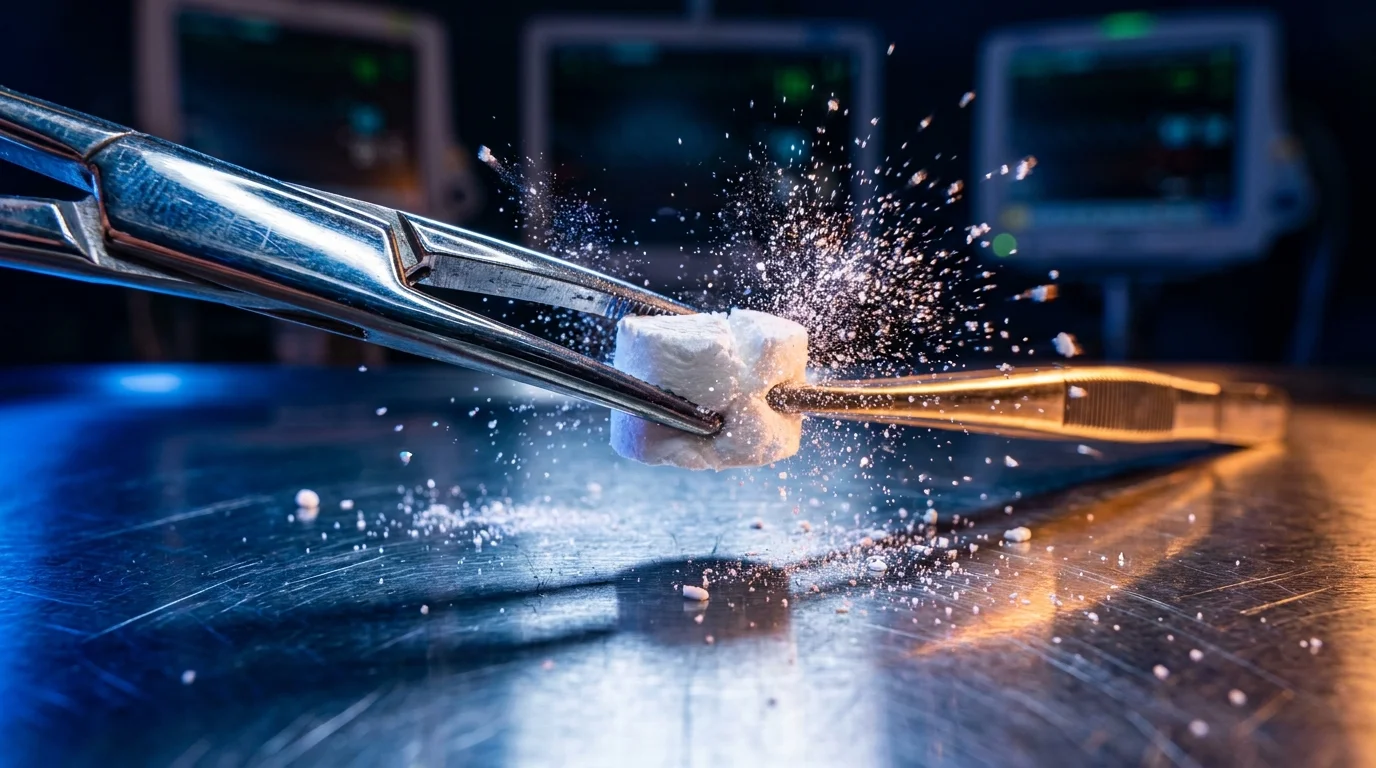
Tucked away inside your spice cabinet sits an unassuming, chalky white powder usually reserved for stabilizing holiday meringues or lifting angel food cakes: cream of tartar. Long overlooked outside the realm of antique pastry books, this humble baking remnant contains one of the most concentrated, rapidly bioavailable sources of natural potassium found in any home kitchen.
The Cellular Gatekeeper: Why Plain Water Fails the Spasm
To stop a midnight spasm, you must understand the tiny electrical currents running through your leg. Every time you point your foot or turn over in bed, your motor nerves trade sodium and potassium ions across cellular membranes. Think of it like a swinging screen door: sodium rushes into the muscle cell to trigger a firm contraction, and potassium swings immediately outward to reset the wire and permit soft relaxation.
When your systemic potassium drops—even slightly—or when intracellular fluids lose their ionic balance, that screen door jams wide open. The muscle receives an uninterrupted signal to clamp down, turning into a rigid cramp that feels like an internal vice. Chugging two glasses of plain tap water at 3:00 AM actually dilutes your existing blood serum, flushing remaining electrolytes away and extending the twitching misery for another half-hour.
Cream of tartar, chemically known as potassium bitartrate, is a crystalline sediment created naturally during wine fermentation in oak barrels. Because it is an organic acid salt rather than a laboratory synthetic, its potassium ions disassociate almost instantly in tepid liquid, bypassing the heavy digestive breakdown required by dense sports tablets or green leafy vegetables.
- Chilled eye masks trigger sharp morning focus without exhausting caffeine jitters
- Chewing spearmint gum triggers sharp temple throbbing through hidden jaw clenching
- Icy post-run showers lock achy knee joints instead of soothing soreness
- Lemon balm tinctures disrupt unbroken nighttime rest sparking sudden racing pulses
- Paraffin jar candles irritate delicate vocal cords provoking dry afternoon coughing fits
Sarah Lindner, a 52-year-old landscape architect from Asheville, spent three summers waking up three nights a week with crippling hamstring and calf spasms after spending long afternoons surveying steep mountain plots. Her bedside nightstand held oversized jugs of sports drinks and electrolyte chewables that did little beyond upsetting her empty stomach in the dark. It was her grandmother, a retired Appalachian home baker, who taught her to stir a quarter-teaspoon of baking tartar into three ounces of warm tap water; within four days, Sarah went from rolling on the rug in tears to sleeping cleanly through the dawn, the sharp night spasms halting within two minutes of the first sip.
Matching the Pinch to Your Daily Routine
Not every body burns through its mineral reserves at the same speed. The way you expend physical energy, sit at your work desk, or process your morning coffee dictates exactly how and when your muscles cry out for balance.
For the Afternoon Coffee Enthusiast
If you rely on three mugs of dark roast to power through meetings past 2:00 PM, you are triggering a quiet diuretic cascade long before dinner. Caffeine speeds kidney filtration, pulling active potassium from your bloodstream while leaving your leg muscles chemically starved by bedtime. A single pinch before sleep inside a cup of chamomile tea replaces the micro-nutrients your third espresso quietly swept out.
For the Endurance Walker and Hard-Floor Worker
Nurses, retail clerks, and postal carriers strike hard surfaces thousands of times a day, compressing the deep plantar muscles of the feet and loading the gastrocnemius with mechanical fatigue. This constant mechanical battering drains local cellular energy reserves. Taking a quarter teaspoon immediately after removing your work shoes prevents the sudden, delayed-onset calf clamping that typically strikes four hours into your sleep cycle.
For the Low-Carb or Intermittent Faster
When you restrict carbohydrates or skip breakfast, your circulating insulin levels drop, prompting your kidneys to dump sodium and potassium at twice their normal pace. Nighttime cramps on low-carbohydrate protocols are notorious for their stubborn resistance to stretching. Mixing potassium bitartrate with a tiny flake of coarse sea salt restores the sodium-potassium pump without triggering an insulin response or breaking your metabolic rhythm.
The Midnight Reset: Mindful Application
When an active spasm strikes, speed and composure are your best allies. You do not need a blender, a measuring cup, or a complicated supplement stack. You only need two simple pantry items and three ounces of warm water.
Keep a small, labeled glass jar of cream of tartar and a baby spoon directly on your bathroom counter or bedside table. Do not stumble into the bright kitchen under blinding fluorescents, which spikes your cortisol and locks your nervous system into an alert, agitated fight-or-flight state.
- Draw three ounces of warm water from the tap—warm liquid speeds gastric emptying past the pyloric sphincter much faster than ice water.
- Add exactly one-quarter teaspoon of cream of tartar powder directly to the glass.
- Add a single pinch of fine sea salt to maintain cellular osmotic pressure.
- Swirl the mixture with a spoon until the cloudy white crystals dissolve completely into a clear, slightly tangy tonic.
- Drink the mixture steadily in three or four swallows while resting your bare feet flat against the cool floor.
Within ninety seconds, the high concentration of readily available potassium ions begins diffusing across the gastric mucosa. As the mineral enters the capillary beds, the hyperactive nerve impulse subsides, the locked muscle fibers release their tension, and the dull, burning knot uncoils into soothing slackness.
The Nightstand Tactical Toolkit
Keep your recovery setup minimalist, quiet, and reliable so you can return to deep rest without disturbing your sleep architecture:
- Dosage: Exactly 1/4 teaspoon (yielding approximately 125 to 130 mg of elemental potassium).
- Water Temperature: Lukewarm to warm (approximately 95°F to 105°F) for gentle stomach absorption.
- Counter-Stretch: Sit upright, loop a soft robe belt around the ball of your foot, and gently draw your toes toward your shin while sipping.
- Frequency: Use acutely during sudden spasms, or take once in the evening if daytime leg tightness warns of an oncoming night issue.
Reframing the Ordinary Kitchen Cabinet
Modern wellness culture teaches us to seek salvation in sleek plastic bottles with neon labels, complex subscription packets, and expensive recovery gadgets shipped in branded boxes. We have been subtly conditioned to believe that if a physical problem is severe, the remedy must be engineered, proprietary, and costly.
Yet genuine biological harmony rarely demands high technology. The human body is a quiet electrical engine, running on basic elemental salts that have sat in the earth, the vine, and the kitchen crock for generations. Taking control of nocturnal muscle cramps with a four-cent pinch of fermented grape sediment is a small, quiet victory over physical panic. It reminds you that your kitchen is already an apothecary, and that relief is often hiding in plain sight behind the flour bin.
The fastest pathway to cellular quiet is rarely a new invention, but an old kitchen balance restored before the body has time to panic.
| Key Point | Detail | Added Value for the Reader |
|---|---|---|
| Mineral Density | Cream of tartar contains roughly 495 mg of potassium per single teaspoon. | Delivers a fast mineral dose without the sugar, calories, or synthetic colorings of sports drinks. |
| Absorption Speed | Potassium bitartrate disassociates immediately in warm water. | Bypasses slow solid digestion to quell nerve misfiring within minutes instead of hours. |
| Cost Efficiency | A standard spice tin costs around three dollars and lasts for months. | Provides an accessible, shelf-stable home emergency remedy ready whenever cramps strike. |
Frequently Asked Questions
Is cream of tartar safe to take every night?
For individuals with healthy, normal kidney function, small amounts such as a quarter teaspoon are well tolerated. However, people with compromised kidneys or those taking potassium-sparing medications should avoid supplemental potassium.Why shouldn’t I just eat a banana before bed?
A fresh banana requires mechanical digestion and fiber breakdown, which takes 30 to 45 minutes to deliver its potassium into your blood. A warm water solution absorbs almost instantly.What does the dissolved powder taste like?
It has a mild, clean, tart citrus-like flavor reminiscent of diluted lemon juice, making it easy to swallow in the middle of the night without waking up your palate.Can I use cold water instead of warm water?
Cold water can cause mild localized vascular constriction in the stomach lining, which slows down fluid absorption and can trigger slight nausea on an empty stomach.Does this remedy help with restless leg syndrome too?
While muscle cramps stem from acute peripheral electrical misfiring, restless legs often involve central nervous system dopamine pathways, though replenishing electrolytes can still offer muscular relaxation.