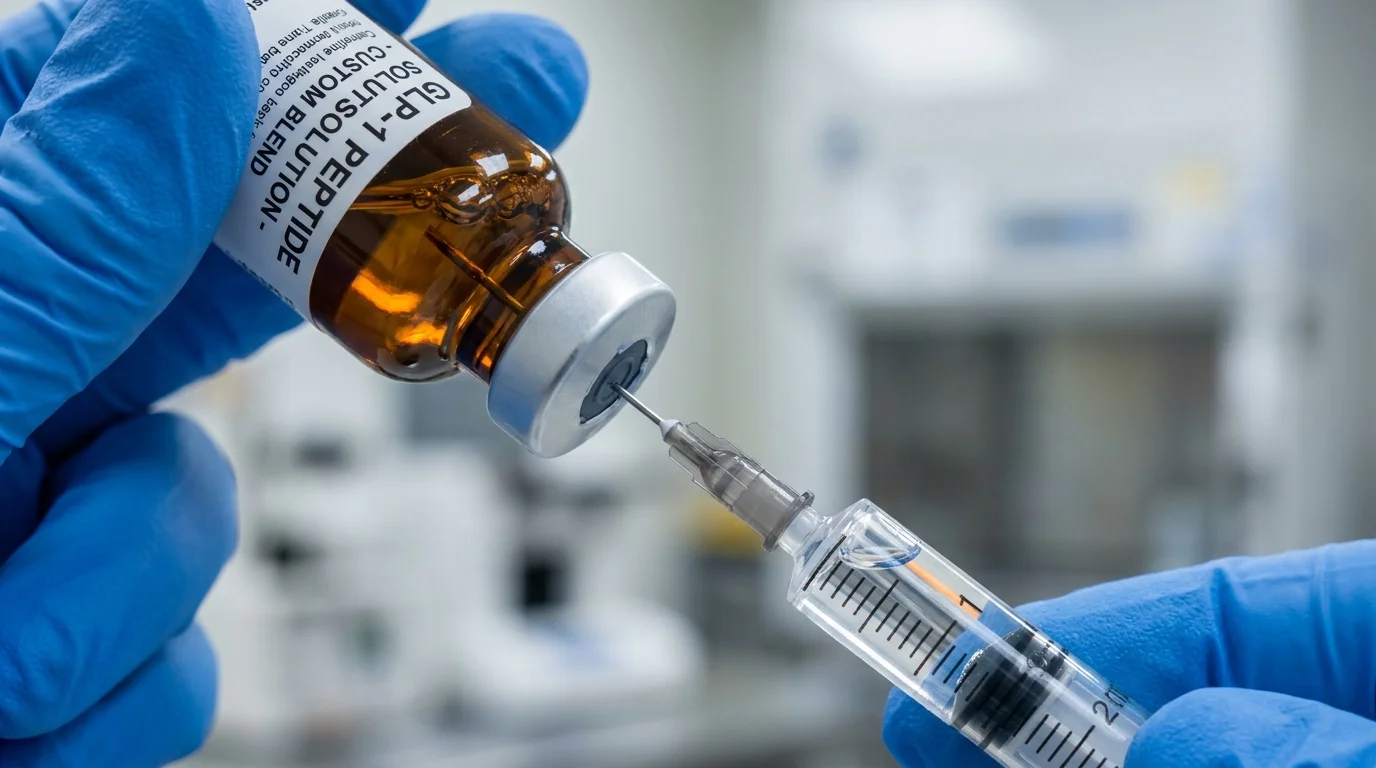
The dull hum of the refrigerator kicks on at dawn, vibrating softly against amber glass vials tucked behind the oat milk. For over eighteen months, that cold glass represented a quiet personal contract: a small foil packet delivered to your porch, a sterile alcohol wipe, and a measured dose calibrated down to the micro-unit by an independent compounding pharmacist. It was an accessible lifeline during an unprecedented nationwide drought of branded metabolic therapies.
Now, a sudden silence has fallen over those compounding cleanrooms. Across the country, federal regulatory triggers have pulled the emergency brake on mass custom-blended formulations. The official shortage designations that permitted licensed pharmacies to replicate active patented peptides under Section 503A and 503B of the Food, Drug, and Cosmetic Act are rapidly drying up. What felt like a permanent parallel highway of accessible health care has vanished almost overnight, leaving millions staring at half-empty vials and wondering what happens when their next refill request is returned unprocessed.
The shift is not merely a paperwork transition tucked inside federal agency dockets. It is an immediate clinical earthquake reverberating through neighborhood clinics, telehealth dashboards, and your personal metabolic rhythm. When the supply chain recalibrates by administrative order, your physiology does not automatically reset its clock to match commercial pharmaceutical manufacturing schedules.
Navigating this sudden rupture demands looking past bureaucratic headlines and understanding the mechanics of receptor affinity, pen delivery tolerances, and the pragmatic bridges prescribers are constructing to keep your progress from slipping backward.
The Borrowed Bridge: Deconstructing the Compounding Bypass
To grasp why your regular weekly shipment vanished, you have to view the pharmaceutical compounding infrastructure through a specific metaphor: the temporary pontoon bridge. When a primary suspension bridge collapses under high traffic volume, civil engineers float a temporary crossing to keep travelers moving. Compounding pharmacies were that pontoon crossing during catastrophic commercial drug shortages. By law, the moment commercial manufacturers notify regulators that their assembly lines are meeting baseline domestic volume, federal protection for custom copies snaps shut.
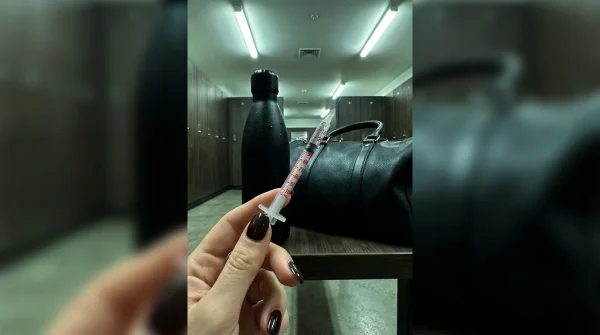
The conflict deepens because compounded formulas were rarely exact carbon copies of commercial auto-injectors. Many custom pharmacies dissolved active peptides into proprietary liquid suspensions, pairing them with additives like cyanocobalamin (vitamin B12), pyridoxine, or l-carnitine to stabilize pH or minimize nausea. Others provided loose vials and calibrated syringes that permitted micro-titrations—dosing at 0.35 milligrams rather than jumping directly from commercial increments of 0.25 to 0.5 milligrams.
- Soft memory foam mattresses strain lower spinal curves triggering painful morning back stiffness
- Sipping cold brew over ice triggers midmorning energy crashes and heavy brain fog
- Measles quarantine rules trigger urgent triage overhauls across crowded community urgent care centers
- Epsom salt soaks in hot baths ease painful calf cramps after long shifts
- Raw clover honey dissolved in warm water relieves stubborn scratchy throat tickles instantly
When regulatory compliance officers enforce the end of a drug shortage list, they mandate an immediate cessation of batch compounding. This leaves patients stranded between custom-tailored micro-dosing and rigid, commercially fixed autoinjector pens. Understanding this systemic rupture transforms what feels like personal abandonment into an addressable clinical logistics problem.
For Dr. Elena Vance, a 44-year-old metabolic physician in Dallas, Texas, the regulatory shift meant triaging nearly four hundred active patient charts within seventy-two hours. Her clinic spent months titrating individuals on intermediate, off-label volume increments to prevent acute gastrointestinal distress. When compounding partners abruptly notified her that their sterile blending suites were converting away from custom GLP-1 batches, Vance had to rapidly design conversion algorithms to transition patients back to commercially regulated hardware without triggering debilitating rebound hunger or severe digestive stalls.
Patient Segmentation: Mapping Your Transition Profile
Every individual metabolic profile responds differently to sudden medication handoffs. Doctors are categorizing patients into three distinct operational tiers to prevent abrupt receptor abandonment:
The Precision Micro-Doser
This profile includes individuals who struggled with severe nausea on standard commercial titration schedules and found comfort in drawing bespoke volumes with an insulin syringe. Transitioning directly to factory-locked commercial pens can overwhelm sensitive gut motility. For these patients, clinicians are increasingly utilizing official multi-dose pens approved with dial-click adjustability, or writing transitional bridge prescriptions for lower-strength commercial baseline pens while extending dosing intervals to ten days instead of seven.
The Self-Pay Budget Realist
Tens of thousands turned to custom compounding solely because their employer-sponsored health insurance systematically excluded weight-loss medications. Moving from a two-hundred-dollar monthly compounding invoice to a twelve-hundred-dollar retail brand is financially impossible for most. Clinicians are responding by routing these patients toward manufacturer-sponsored direct-to-consumer digital portals, exploring single-dose vial release programs newly greenlit by major pharmaceutical brands, or prescribing oral metabolic co-factors as temporary maintenance shields.
The Additive-Dependent Taperer
If your previous compounded supply contained vitamin B12 or glycine to offset localized sulfur burps and fatigue, moving to pure commercial formulation may introduce sudden sensory side effects. Your clinical strategy must account for the loss of those anti-inflammatory co-agents. Prescribers are pairing pure-molecule commercial transitions with stand-alone sublingual methylcobalamin or targeted digestive enzymes taken thirty minutes prior to your weekly injection.
Mindful Application: Steps for Securing Continuity
Panicking or rationing leftover liquid from old vials is the fastest route to contamination and erratic glycemic spikes. Transitioning safely requires a deliberate, step-by-step strategy.
Audit your remaining volume with clear eyes. Measure exactly how many weeks of sterile liquid remain based on the printed expiration or beyond-use date (BUD) on your current label. Never combine remnant droplets from two distinct vials to synthesize a full dose; compounding vials lose sterility within twenty-eight days of their first rubber stopper puncture.
Schedule a focused prescription audit with your provider before your current supply dips below a two-week reserve. Do not request a general refill; request a transition protocol. Use the tactical guidelines below to steer your clinical conversation:
- Request a conversion chart comparing your custom compounded milligram volume to the nearest commercial auto-injector click-stop.
- Ask about newly authorized branded single-dose vials, which carry cash-pay price points substantially lower than traditional spring-loaded injection pens.
- Establish a rescue protocol involving ondansetron or prescription-grade electrolyte rehydration salts if stepping up to a rigid commercial dose provokes acute gastroparesis.
- Inquire whether your chart qualifies for a medically documented exception under Section 503A for true individualized necessity, such as a verified allergy to commercial pen preservatives.
Treat your titration day as a sacred metabolic anchor. Hydrate with room-temperature mineral water containing adequate sodium and potassium three hours prior to injection, and avoid dense animal fats twelve hours after switching formulations.
The Bigger Picture: Reclaiming Metabolic Sovereignty
This regulatory shakeup highlights an uncomfortable truth: outsourcing your biological stability entirely to volatile supply chains leaves you vulnerable to sudden shifts in legal policy. The pharmaceutical landscape will continue to fluctuate as patent disputes wind through administrative courts and manufacturing capacities swing between surplus and scarcity.
True metabolic health is not contained entirely inside a silicone-coated needle or a manufacturer glass barrel. The profound neurochemical quiet you experienced—the dampening of obsessive food noise, the restoration of satiety signals—was supported by the peptide, but executed by your own cellular machinery. Viewing medication as a biological lever rather than a permanent psychological crutch allows you to navigate these regulatory shifts with calm resilience.
By mastering the logistics of this transitional phase, establishing honest dialogue with your physician, and protecting your body with calculated nutritional anchors, you ensure that external shifts in corporate supply never derail your internal peace of mind.
Read More